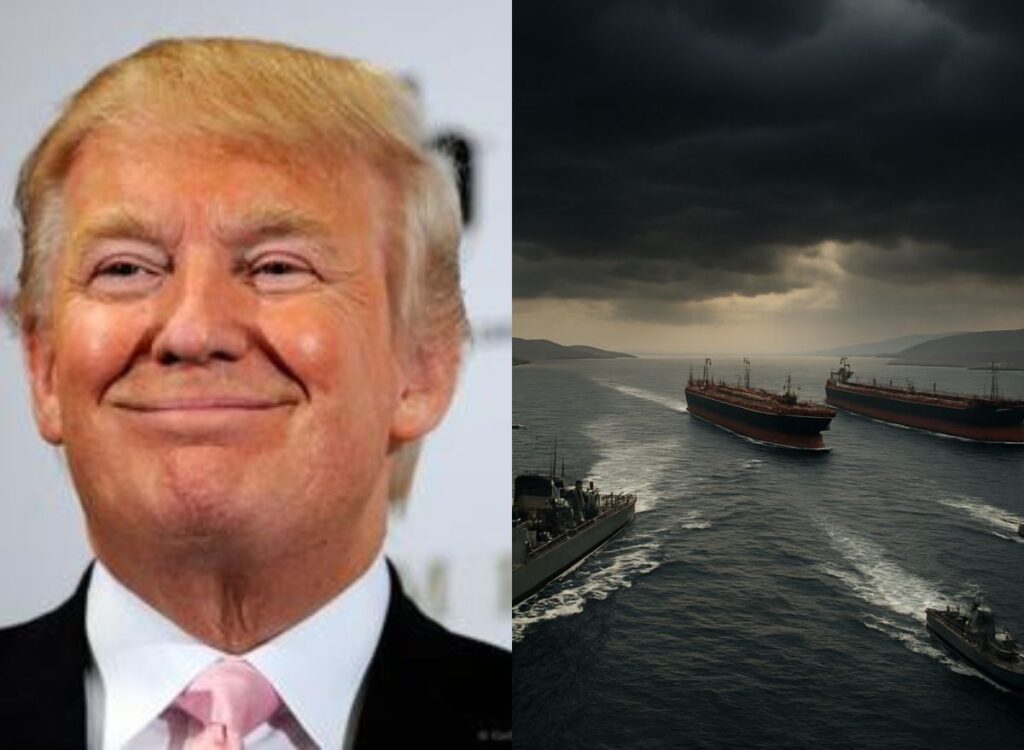
TEHRAN, In a sudden and dramatic reversal, Iran has announced that the Strait of Hormuz, the world’s most critical energy chokepoint, has reverted to its previous state of strict military control. This move effectively shuts down the vital waterway just hours after a highly anticipated reopening.
The sudden switch comes at a time when diplomats worldwide had been experiencing a temporary respite in global energy markets, but further increased the tension in the ongoing dispute between Tehran and Washington.
“Acts of Piracy” and the Naval Dispute
In a scorching declaration aired via government television channels, the central military wing of Iran, Khatam Al-Anbiya, stated that the vital passage would once again be under tight control of the military force. The reason for this action, according to the command, was the continuous US blockade of Iranian sea routes, which it termed acts of piracy.
“Unless and until the United States of America guarantees full freedom of navigation for ships belonging to Iran from Iran to different parts and vice versa, the status quo in the Strait of Hormuz would remain the same.”
The Islamic Revolutionary Guard Corps (IRGC) supported this position, accusing Washington of continuous bad faith,stressing that Tehran maintains full control over its maritime routes.
A temporary reopening has been tainted by threat of deadline
This has created additional uncertainty in global shipping. Just yesterday U.S. President Donald Trump, along with Iranian officials, announced the reopening of the Strait of Hormuz to commercial shipping.
After Trump stated that the US would continue its “strict naval blockade” against Iran, the delicate peace between Iran and the United States quickly unraveled. The US claims that it will not ease its economic restraints until Iran agrees to a new accord placing restrictions on Iran’s nuclear program and its military actions in the region.
Global Oil Markets and a Fragile Ceasefire
The closure of the Strait of Hormuz, a waterway that historically transits about 20 percent of the world’s oil supply, threatens to create shockwaves in an already weakened global economy.
Iran has used the closure of the Strait of Hormuz as a key element of their military strategy since hostilities began between the US, Israel and Iran near the end of February 2009, causing a significant increase in world oil prices.
Today, maritime shipping through the region is being conducted under a temporary ceasefire agreement between Israel and Lebanon valid for 10 days that began last Thursday. This ceasefire was intended to create a safe corridor for goods to move through the Strait of Hormuz until its expiration on April 26, 2009. With Iran’s latest military orders, this brief period of opportunity has been eliminated completely, and businesses involved in the movement of goods through the Strait of Hormuz as well as business leaders and governments around the world are scrambling to find an alternative.