India may face a hotter summer in 2026 as El Niño conditions develop, bringing rising heatwaves and a likely below-normal monsoon.
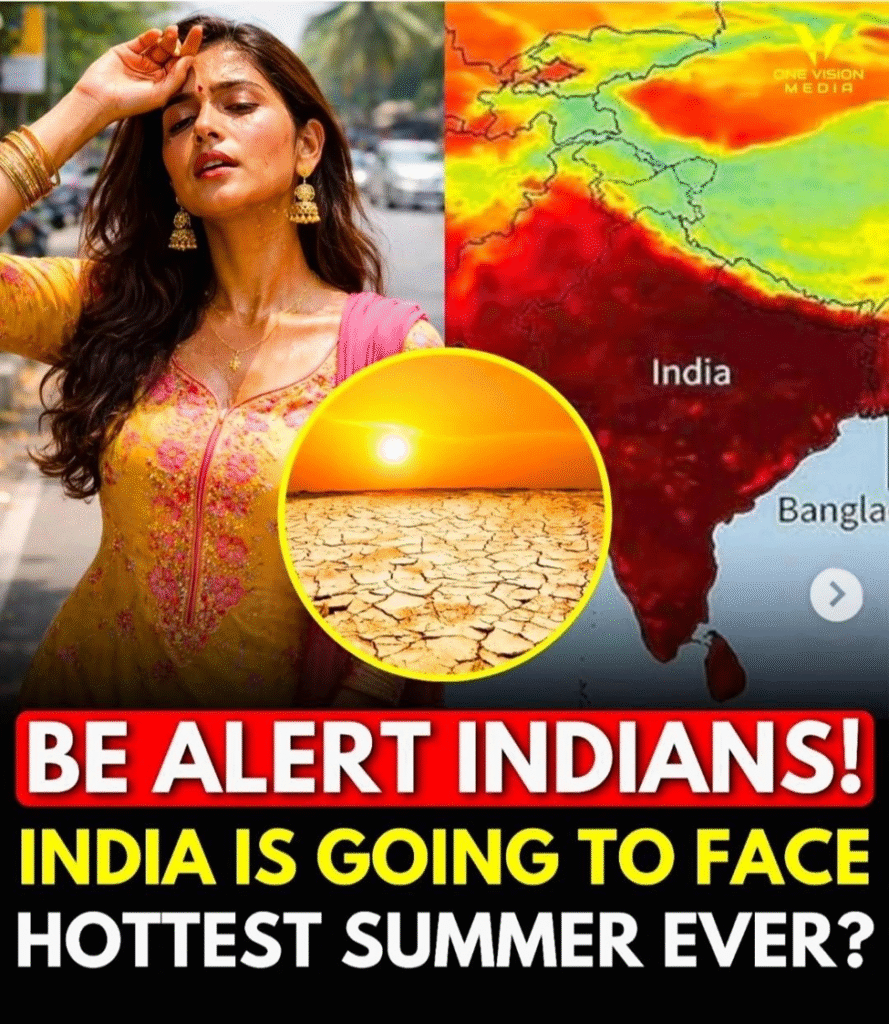
As summer tightens its grip on India, meteorological forecasts are painting a concerning picture for the months ahead. The World Meteorological Organization (WMO) and global climate indicators suggest a likely return of El Niño conditions in 2026, which could influence temperatures and rainfall patterns across the country.
For a nation deeply tied to seasonal weather cycles, this is more than a distant oceanic event—it could pose a significant environmental and economic challenge.
Understanding the El Niño Factor
To understand why India may face an intense summer, we must look to the Pacific Ocean. El Niño is a natural climate phenomenon marked by unusually warm sea surface temperatures in the central and eastern Pacific.
Though it originates far from India, it alters atmospheric circulation globally. Historically, El Niño years are often associated with weaker monsoons and warmer conditions over the Indian subcontinent.
A Double Blow: Scorching Heat and Deficient Rain
Forecasts suggest that the 2026 El Niño effect will deliver a two-fold impact on India:
- Soaring Temperatures: Citizens across the country need to prepare for a noticeably hotter year. The weather pattern is expected to drive up average temperatures, making heatwaves more frequent, prolonged, and severe. This brings a heightened risk of heat stress and related health emergencies, particularly for vulnerable populations and those working outdoors.
- Weaker Monsoons: Perhaps the most worrying prediction is the suppression of the southwest monsoon. Current models indicate that rainfall will be significantly less than the long-period average, leaving many states dry during the crucial monsoon months.
The Ripple Effect on Daily Life and the Economy
The consequences of a weak monsoon and extreme heat extend far beyond an uncomfortable summer. A deficit in rainfall triggers a domino effect across several vital sectors:
- Agricultural Stress: Indian agriculture, which sustains a massive portion of the population, remains heavily dependent on seasonal rains. A disrupted monsoon directly threatens crop yields, which can lead to financial distress for farming communities and potential inflationary pressure on food prices.
- Water Shortages: Less rain means our rivers, reservoirs, and groundwater levels will not recharge adequately. This paves the way for acute drinking water shortages, impacting both rural heartlands and sprawling urban cities.
What’s Ahead
The warning signs for 2026 are already here. As the grip of this year’s El Niño tightens, the focus must swiftly shift from observation to active preparation. Managing this year’s extreme weather will require resilience at every level—from government agencies carefully managing vital water reserves to citizens adopting water-saving practices and taking precautions against the heat.
The summer of 2026 will undoubtedly test India’s endurance. Staying informed, conserving resources, and prioritizing health will be our best defense against the impending dry spell.