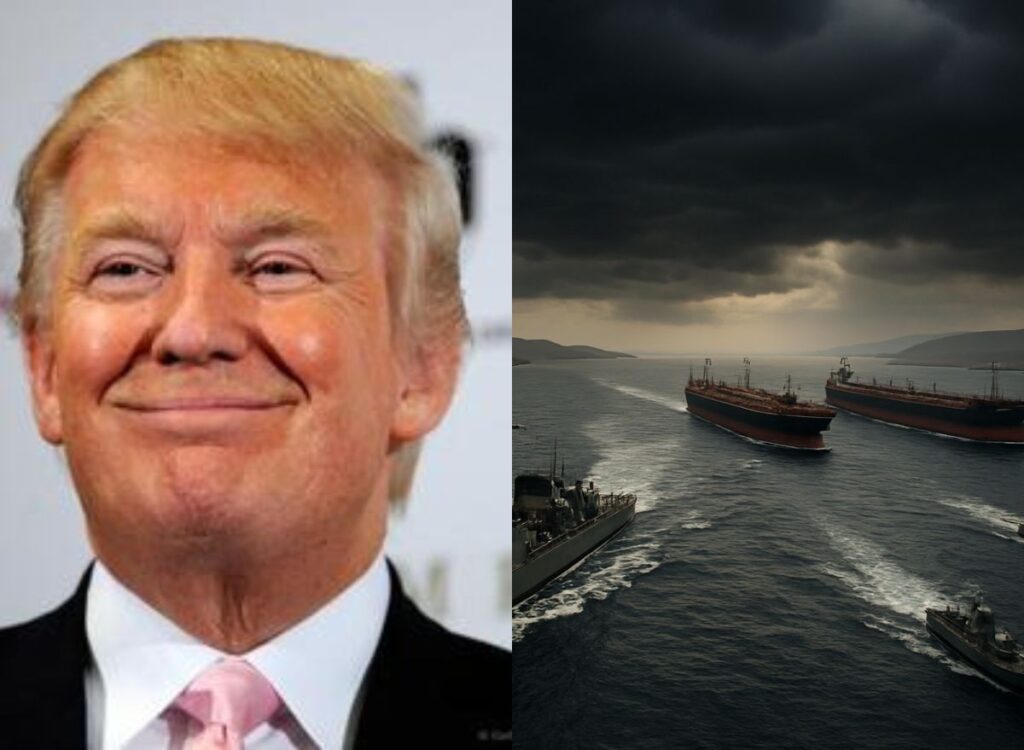
On Tuesday, the US President Donald Trump made an announcement that the US has extended its ceasefire with Iran indefinitely. The extension of the ceasefire by the US has only temporarily stopped direct hostilities between the two countries. Experts indicate that the current ceasefire is not an indication that peace talks are forthcoming.
Uncertainty Over Iran’s Response
Political analysts are uncertain what Iran will do in response to the extension of the US ceasefire. Some analysts are speculating as to whether President Trump has opted to extend the ceasefire “to buy some time” for either military operations by the US on Iranian soil or a US diplomatic initiative to bring about a peaceful resolution to the conflict. Still, others assert that Iranian leaders are likely to have different perspectives and/or be fragmented into multiple camps within their government, which presents challenges in securing a unified response by the Iranian government to the US ceasefire extension.
STRAIT OF HERMOUZ BLOCKADE CONTINUES
The steady blockade of the Strait of Hormuz by US forces will continue to remain a potential hot spot for conflict between Iran and the US for the foreseeable future. Approximately 20% of the entire volume of oil being consumed globally is delivered through the Strait of Hormuz. The blockade of this important waterway will create significant interruptions to the flow of goods and services across the globe; and will create a very unstable environment for Iran and the economies of those nations affected by this blockade.
What Happens Next?
For now, the extension stops immediate military action, but the overall situation remains highly unstable. With the Strait of Hormuz still closed off and Iran’s official agreement missing, the chances for successful peace talks look weak. The international community is watching closely, hoping that this temporary pause can eventually lead to real negotiations rather than a return to conflict.