ISI Terror Modules and the Expanding Internal Threat
On April 27, 2026, a failed detonation on the Dedicated Freight Corridor (DFC) railway track near Shambhu in Patiala was linked to a Pakistan-based Inter-Services Intelligence (ISI)-backed pro-Khalistan terror module.
A Wider Geostrategic Reckoning
This incident reflects Pakistan’s long-standing strategy of “bleeding India with a thousand cuts,” where the ISI has consistently engaged in low-intensity, “grey-zone warfare” to destabilise Bharat internally.
Such tactics divert already limited national resources toward security responses, thereby impacting the pace of socio-economic development.
ISI-Backed Attacks in Punjab in Recent Times
Days before Republic Day this year, on January 23, an explosive device detonated on the Sirhind railway track, damaging a freight train and injuring the loco pilot. The Khalistan Zindabad Force (KZF), a terror outfit, had reportedly claimed responsibility for the attack.
Last year, a grenade was also hurled at a Crime Investigation Agency (CIA) facility in Moga.
Punjab DGP Gaurav Yadav stated that the Shambhu rail blast’s links with these incidents are being thoroughly investigated, pointing toward a possible proxy network operating with alleged links to Pakistan.
These developments highlight the continued targeting of Punjab—a sensitive border state that has historically played a crucial role in defending the nation’s frontiers.
ISI Threat in Bharat
Cross-border terror activity and espionage continue to persist. In recent days, operatives were arrested from Amritsar and the Delhi-NCR region in separate incidents.
According to reports, suspects detained in Delhi-NCR were allegedly planning grenade attacks and targeted killings.
Additionally, Pakistan-based social media accounts were found to be instigating unrest during the recent Noida factory workers’ protests.
These developments point toward ongoing efforts to create disruption and instability within Bharat’s internal security landscape.
CDS Rawat’s Warning of a “2.5 Front War”
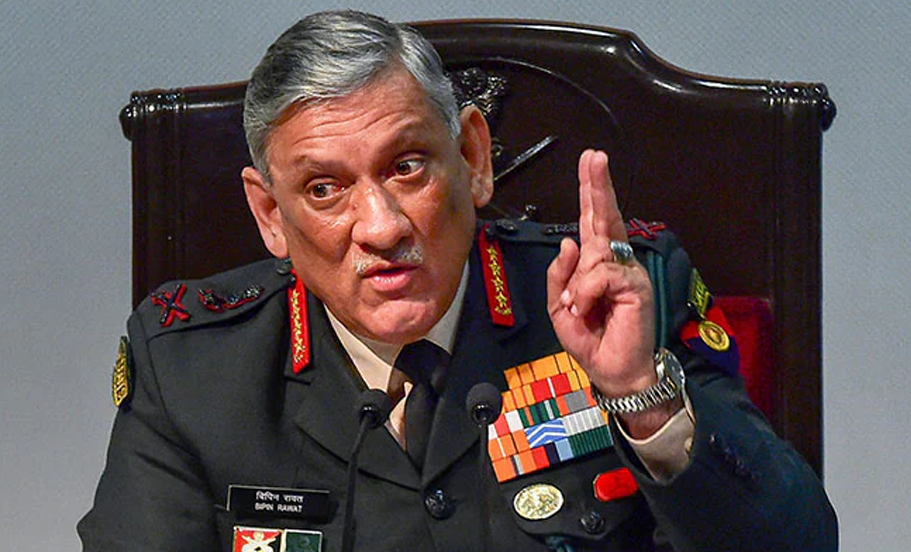
These incidents echo the warning issued by the late Chief of Defence Staff (CDS) Bipin Rawat, who had cautioned about a “2.5 front war”.
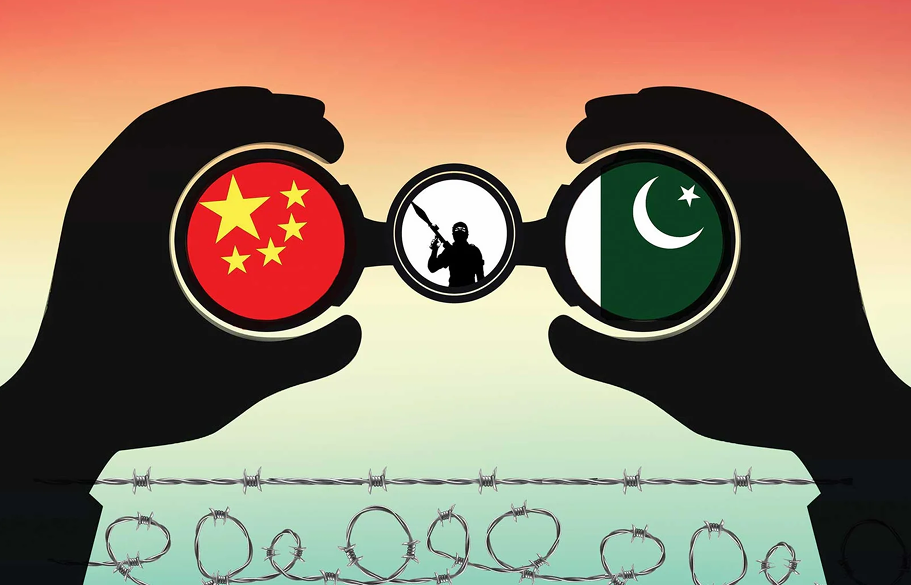
He had explained that Bharat faces not only two conventional fronts—China and Pakistan—but also a “0.5 front” comprising internal security challenges.
This form of hybrid warfare, involving extremist networks and disinformation, is designed to weaken the country from within.
Bharat First: Strengthening Internal Security
In this context, strengthening integrated military preparedness, robust policing, and the strategic deployment of Central Armed Police Forces (CAPF) becomes critical to counter insurgency and internal instability linked to cross-border actors.
At the same time, strong social cohesion and national unity remain essential to ensure that internal vulnerabilities are not exploited by external adversaries.