Police in Amravati have arrested a 19-year-old Mohammad Ayaz accused of targeting over 180 girls, including minors, through social media, recording exploitative content without consent, and using it for blackmail. A second arrest has been made and a Special Investigation Team is now probing a possible organised network.

Arrest in Amravati Sparks Outrage Over Exploitation of Minor Girls
Police Confirm Arrest of 19-Year-Old Accused
Police in Paratwada, Amravati district, have arrested Mohammad Ayaz alias Tanveer Ahmed (19) following a complaint raised by Rajya Sabha MP Anil Bonde. The accused has been remanded to police custody until April 21. A second accused, Uzer Khan, has also been taken into custody for reportedly downloading the videos from the primary accused’s phone and circulating them on social media. A Special Investigation Team of 10 officers and 36 personnel has been constituted, led by ASP and SDPO Achalpur IPS Shubham Kumar.
Incident Triggers Public Anger Across Maharashtra
The case came to light after objectionable videos went viral across WhatsApp and Snapchat, sparking immediate outrage in Achalpur and Paratwada. Large-scale protests erupted across the region, with residents demanding swift justice.
Accused Used ‘Love Trap’ to Record Exploitative Content
Minor Girls Allegedly Lured Through Social Media
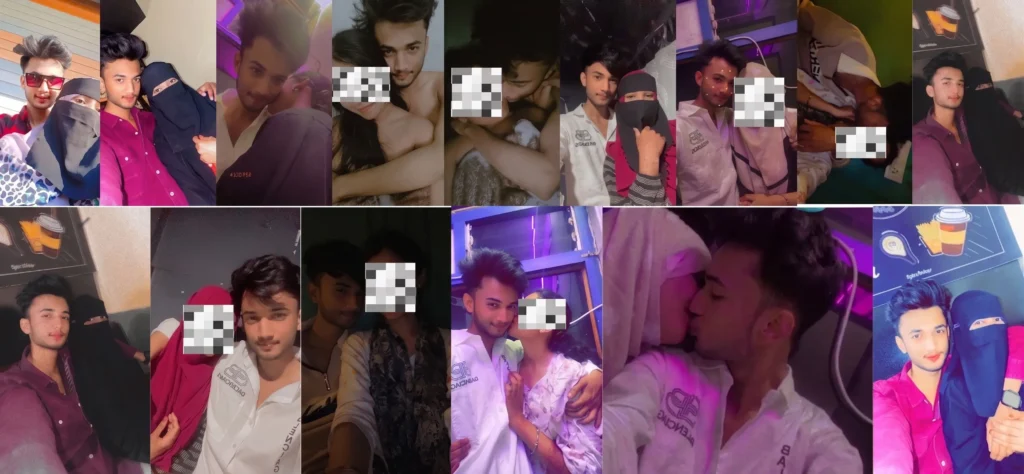
According to police, the accused used social media platforms including WhatsApp and Snapchat to befriend and lure girls into trust-based relationships over a period spanning nearly a year. He reportedly targeted over 180 victims, a majority of whom are minors.
Videos Recorded Without Consent and Used for Coercion
Once trust was established, the accused reportedly recorded exploitative content without the knowledge or consent of victims. These recordings were then used as blackmail tools, with threats of wider circulation to coerce continued compliance.
Multiple Victims Suspected as Investigation Deepens
Police Recover Nearly 350 Objectionable Clips
Investigators have recovered approximately 350 objectionable videos from the accused’s digital devices. Over 100 of these had already gone viral across platforms before the arrest.
Authorities Probe Possibility of a Larger Network
Amravati Rural SP Vishal Anand confirmed that investigators are actively probing whether additional accused are involved. He stated: “There seems to be an organised racket.” Authorities are examining digital servers and cloud backups for further evidence. SP Anand has appealed to victims to come forward with assurances of confidentiality.
Charges Filed Under POCSO Act, IT Act and BNS
The accused has been charged under Sections 8 and 12 of the POCSO Act (sexual assault and harassment of minors), Section 294 of the Bharatiya Nyaya Sanhita (obscene material), and Sections 67 and 67A of the IT Act (transmission of sexually explicit content), which carries up to five years imprisonment and a fine of Rs 10 lakh.
Administration Response, Bulldozer Action, and Political Fallout
Local authorities conducted demolition action against illegal construction on the accused’s property in Paratwada, in the presence of police. BJP leader Shivray Kulkarni had publicly demanded this action. The demolition has drawn debate, with critics arguing that such action should follow, not precede, a conviction.
Maharashtra CM Devendra Fadnavis is personally monitoring the probe. Opposition leaders have cited the case as evidence of broader law and order failures in the state.
Growing Concern Over Cyber Exploitation of Minors in Maharashtra
This case arrives within days of the Nashik TCS “Corporate Jihad” scandal, where a coordinated network of male employees was found to have systematically targeted Hindu women colleagues for harassment, blackmail, and alleged conversion pressure over years. Together, these incidents have placed Maharashtra at the centre of a national debate about organised exploitation, the failure of institutional safeguards, and the growing use of digital platforms to target vulnerable individuals.
Experts warn that online grooming cases involving minors are rising sharply across India’s urban and semi-urban areas. They stress the urgent need for proactive cyber surveillance, stricter enforcement of POCSO provisions, digital literacy campaigns, and parental monitoring of minors’ social media activity.