
India to Scotland
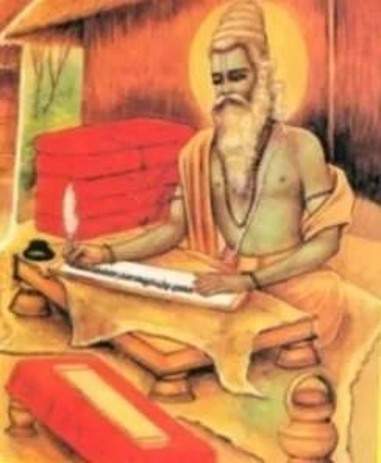
The Royal College of Surgeons of Edinburgh has unveiled a statue of Maharishi Sushruta, the ancient Indian physician widely considered among the earliest practitioners of systematic surgery. The Consulate General of India in Scotland announced the installation, describing it as a tribute to India’s contributions to medical history and a reflection of the longstanding intellectual ties between India and Scotland in the surgical sciences.
The Legacy
Imagine a time when the concept of surgery was barely a whisper in human civilization. No scalpels forged in steel factories, no anaesthesia drawn from a syringe and yet, somewhere in ancient India, a sage named Sushruta was already deep in the business of healing. He performed more than 300 distinct surgical procedures. He fashioned 124 purpose-built instruments. When a patient’s nose needed rebuilding, he took a flap of skin from the forehead and gave them back their face. He then did something equally remarkable – he wrote it all down, producing the Sushruta Samhita, a document so thorough it stands as the world’s first treatise on surgery.
Legacy Inevitable & way beyond
This recognition carries significance beyond the individual. It draws attention to the profound scientific and medical heritage of ancient Bharat – a tradition that produced systematic surgical knowledge millennia before it emerged elsewhere. As global institutions begin to acknowledge these contributions, it underscores an enduring obligation: to study this legacy honestly, preserve it diligently, and ensure it remains a living part of our civilisational identity. Maharishi Sushruta’s influence, it appears, has only just begun its wider journey.