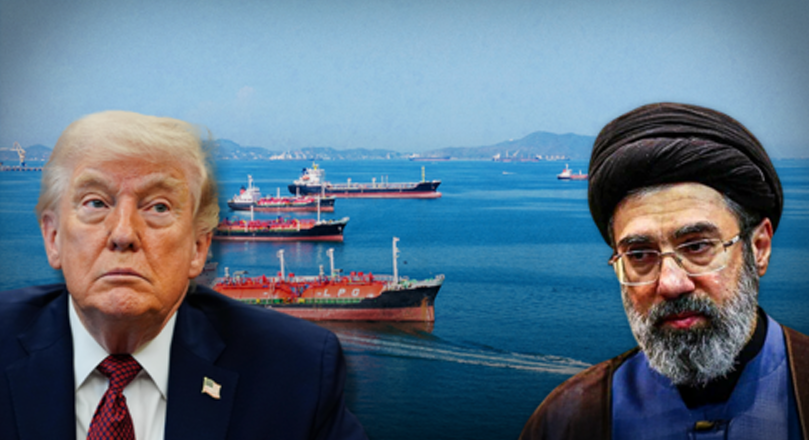
US Rejects Iran Proposal on Strait of Hormuz
U.S. President Donald Trump has rejected Iran’s proposal to reopen the Strait of Hormuz, opting to continue the naval blockade until a “new nuclear deal” is reached.
Blockade Used as Strategic Leverage
The U.S. naval blockade of Iranian ports, along with restrictions in the Strait of Hormuz, is being used as leverage to pressure Iran into proposing a revised agreement addressing its nuclear programme.
Trump stated that “the blockade is somewhat more effective than the bombing. They are choking,” underscoring Washington’s strategy of economic and military pressure.
Impact on Iran’s Economy
The continued blockade significantly restricts Tehran’s ability to export oil and generate revenue. Trump warned that Iranian infrastructure is “close to exploding,” indicating escalating pressure on the country’s economy.
Rising Tensions and Military Signals
The move is expected to push Iran back to the negotiating table, seen as a strategic win for Washington.
Reports also suggest that United States Central Command (CENTCOM) has planned potential waves of aerial strikes if Iran does not comply.
Global Oil Prices Surge
Amid rising tensions, global oil prices have surged, crossing $107 per barrel, reflecting market concerns over supply disruptions in the region.