A man convicted of the 1995 kidnapping and murder of 13-year-old Sandeep Bansal was living openly in Loni, Ghaziabad under a new name, running social media channels, signing a Bollywood biopic deal, and building a public following as activist Salim Wastik. Delhi Police have now arrested him, 31 years after the crime and 24 years after he jumped bail.
Delhi Police Arrest Absconding Convicted Murderer After Three Decades
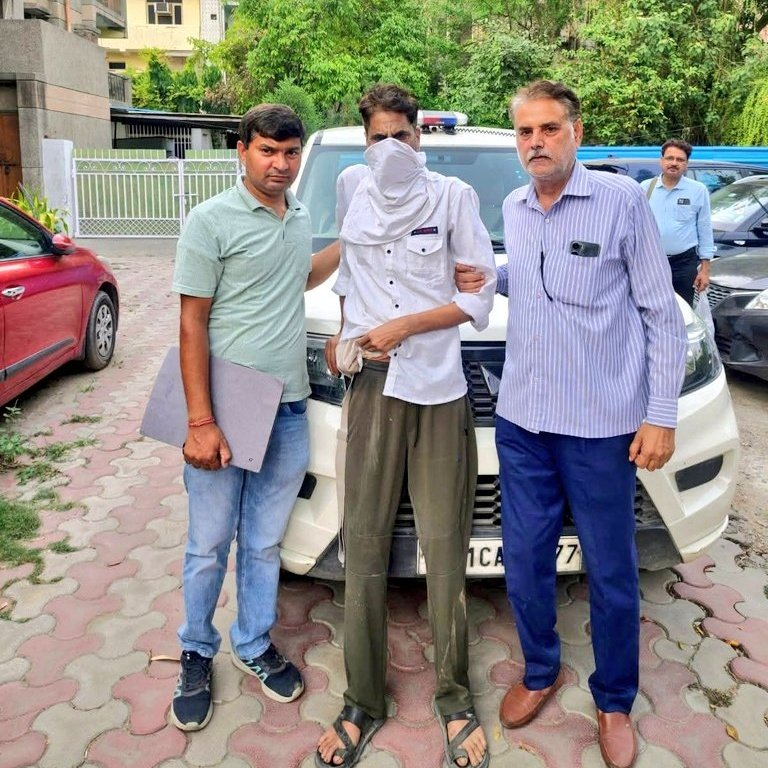
On April 24, 2026, Delhi Police arrested Salim Wastik, real name Salim Khan, a social media activist and YouTuber with a public following, in connection with the 1995 kidnapping and murder of Sandeep Bansal, a 13-year-old schoolboy from North East Delhi. He had been convicted and sentenced to life imprisonment in 1997, granted interim bail in 2000 by the Delhi High Court, and had not surrendered since. His conviction was upheld again in 2011. He was traced and arrested by a team led by Inspector Robin Tyagi and ACP Sanjay Kumar Nagpal, using old court records, fingerprint matching, and photographs. He has been sent to Tihar Jail.
1995 Case: Kidnapping, Ransom Call, and Murder
Sandeep Bansal Goes Missing from Daryaganj
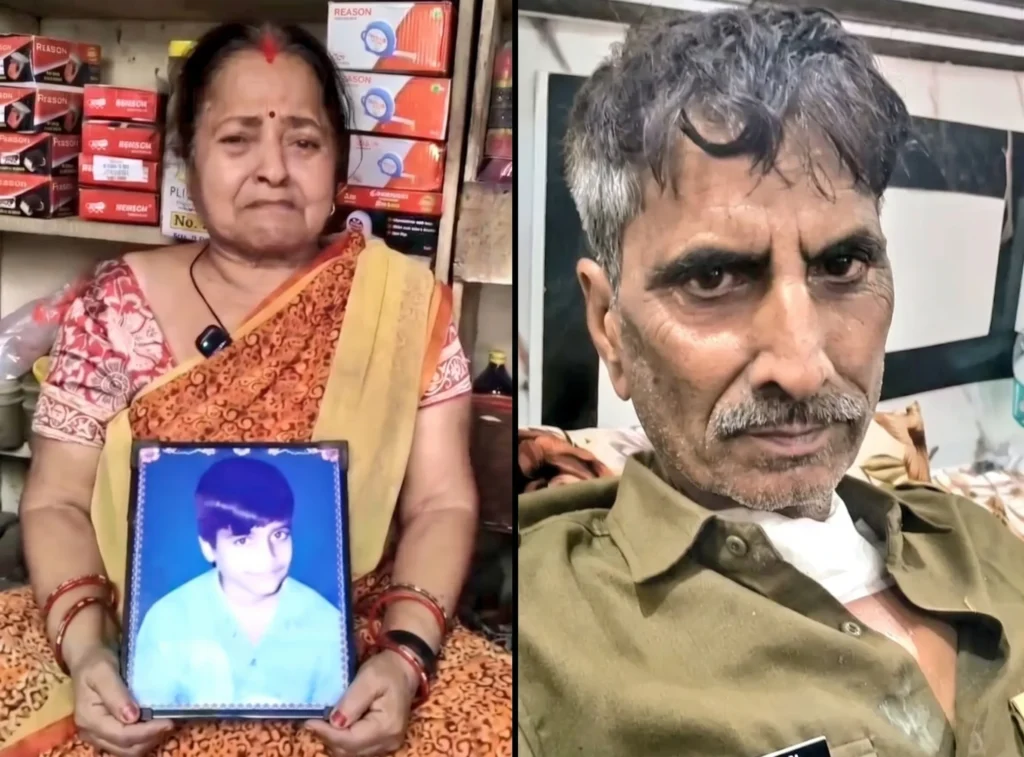
On January 20, 1995, Sandeep Bansal, a 13-year-old student and son of a local businessman in North East Delhi, left home to attend school and did not return. A case was registered at Police Station Gokulpuri. Suspicion quickly fell on Salim Khan, who at the time worked as a martial arts instructor at Ramjas School in Daryaganj, the same school where Sandeep studied. A witness reported seeing the boy last leaving in a rickshaw with a tall man known as “Masterji.”
Ransom Demand and Police Investigation
The day after Sandeep’s disappearance, his family received a call informing them he had been kidnapped. A follow-up call demanded a ransom of Rs 30,000, instructing the family to place the money inside a specific bus near the Loni Flyover bound for Baghpat, and warned them against contacting police. Police detained Salim Khan for questioning.
Body Recovered Following Interrogation
During interrogation, Salim Khan allegedly led police to a drain near Mustafabad, where Sandeep’s body was recovered and subsequently identified by his father. Co-accused Anil, who allegedly played a key role in the conspiracy, surrendered before the court in February 1995. Police also recovered the victim’s personal belongings, including a watch, school bag, and tiffin box from Anil’s possession. Both accused were charged under IPC Sections 302 (murder), 364A (kidnapping for ransom), and 34 (common intention).
Conviction, Bail, and Escape
Life Sentence by Delhi Court
After the completion of trial, both Salim Khan and Anil were convicted in 1997 and sentenced to life imprisonment by a Delhi court.
Interim Bail and Disappearance
In 2000, the Delhi High Court granted Salim Khan interim bail. He never surrendered. He simply disappeared. The Delhi High Court upheld his conviction in 2011, but by then he had been a fugitive for over a decade, with no trace of his whereabouts in the official record. His co-accused Anil had already surrendered and served his sentence.
Life on the Run: Identity Change and Evasion
Moving Across Cities Under New Identities
Over the following two decades, Salim Khan systematically built a new life. He changed his name first to Salim Ahmed, then eventually to Salim Wastik. He moved across multiple states, living at various points in Shamli, Muzaffarnagar, Meerut, and finally settling in Loni, Ghaziabad, where he operated a garment shop and a small business. In each location, he presented himself as a different person with no criminal history.
From Fugitive to YouTuber
Adopting the Name Salim Wastik
Under the identity of Salim Wastik, he carved out a public persona as a social activist and content creator. He described himself publicly as an “ex-Muslim,” positioned himself as a reformist voice, and built a following across social media platforms. In February 2026, he was attacked and stabbed at his Loni residence by two unidentified persons, an incident that was widely covered in media circles.
Building a Public Presence Online
Far from hiding, Salim Wastik was actively building visibility. He had signed a deal for a Bollywood biopic based on his life story. His social media presence was substantial and growing. None of it, apparently, triggered any automated cross-referencing with outstanding criminal records until a dedicated police team was specifically assigned to trace long-term fugitives and parole jumpers.
Arrest and Current Status
Delhi Police Trace and Arrest Accused
The breakthrough came when a team of Inspector Robin Tyagi, ACP Sanjay Kumar Nagpal, and constable Mintu Yadav, tasked specifically with tracking long-term absconders, confirmed through old records, fingerprint analysis, and photographs that Salim Wastik and Salim Khan were the same person. The arrest followed on April 24, 2026.
Sent to Tihar Jail After Capture
Following his arrest, Salim Wastik was produced before a court and sent to Tihar Jail to serve the remainder of his life sentence, 31 years after the crime that triggered it.
Conclusion: Justice in a 31-Year-Old Case
Sandeep Bansal was 13 years old when he was kidnapped and killed in 1995. His family waited through decades of a fugitive’s freedom, a conviction upheld twice, and a YouTube channel, a biopic deal, and a public profile built on a fabricated identity. The arrest of Salim Wastik does not undo any of that. But it ends one of the more brazen evasions of justice in Delhi’s modern criminal record, and confirms that changing a name is not the same as escaping a verdict.