
Introduction: The Dark Chapter of Noida Serial Murders
The Nithari killings case stands as one of the most horrifying criminal case India in the nation’s judicial history. Known infamously as the 2006 Noida serial killings, this case involves the discovery of skeletal remains found Nithari drain location that shocked the entire nation. The house of horrors Noida, specifically the Noida D5 bungalow case, became synonymous with unspeakable crimes against children and young women.
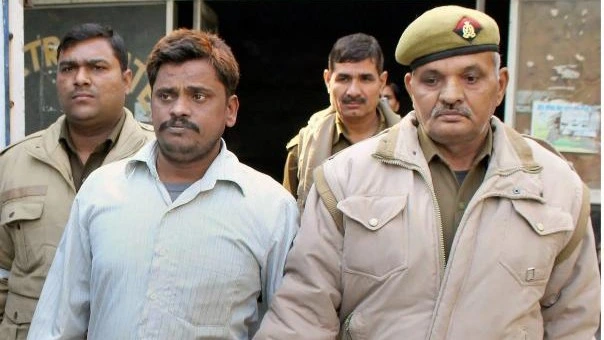
NEW DELHI: Surinder Koli, the accused in the 2006 Noida murders and sentenced to death in 13 murder cases, is set to walk free after 19 years in prison, having narrowly escaped execution twice. Convicted by the trial court and with his appeals and review pleas dismissed by the Allahabad High Court and the Supreme Court, Surinder Koli finally secured relief through a curative petition—the final judicial remedy available to an accused seeking justice.
The serial killings Noida involved Surinder Koli serial killer allegations and businessman Moninder Singh Pandher case, whose names became permanently etched in India’s true crime serial killer history. This comprehensive article examines what happened in Nithari case Noida, exploring every aspect of the Nithari village murders that continue to haunt India’s collective conscience.
What is the Nithari Case About?
The Nithari case refers to a series of brutal murders discovered in 2006 in Nithari village Noida, located in Sector 31. The Noida D5 house, owned by Moninder Singh Pandher, became the center of investigations when police discovered human skeletal remains in a drain behind the property. This location earned the chilling moniker “house of horrors” as investigations revealed the extent of the crimes.
The Nithari serial murders involved primarily children and young women from economically disadvantaged backgrounds. The Payal missing case led to Nithari discovery when her family persistently demanded investigation into their daughter’s disappearance. What began as a missing person inquiry transformed into one of India’s most shocking serial killings Noida cases.
The Pandher Koli case became a symbol of criminal case India failures, raising questions about Nithari case police negligence investigation and the vulnerability of marginalized communities. The house of horrors case exposed how Nithari victims were ignored for years before the truth emerged.
Timeline: When Did Nithari Killings Happen?
Understanding when did Nithari killings happen requires examining a complex timeline spanning several years. The 2006 Noida serial killings were discovered in December 2006, but the actual murders occurred between 2005 and 2006. The Noida serial murders 2005 2006 victims list reveals that missing person complaints had been filed as early as 2005, but the Nithari killings investigation police failure reasons meant these reports were largely ignored.
Key Timeline Events:
2005-2006: Multiple children and young women go missing from Nithari village Noida and surrounding areas. Families file complaints, but police response remains inadequate.
December 2006: The shocking discovery at the Noida D5 bungalow case site brings the case to light. Skeletal remains found Nithari drain location behind the property owned by Moninder Singh Pandher.
2006-2007: Intensive Nithari killings CBI investigation case details begin after initial police failures. Both Surinder Koli and Pandher case accused are arrested.
2009: Trial court delivers guilty verdicts, sentencing both accused to death in multiple cases.
2023: Moninder Singh Pandher released acquittal 2023 after Allahabad High Court acquits him in several cases.
November 2025: Nithari killings case Supreme Court acquittal 2025 – Koli acquitted and Pandher acquitted in remaining cases. Surinder Koli released from jail 2025.
Key Individuals: Who is Surinder Koli and Moninder Singh Pandher?
Who is Surinder Koli?
Surinder Koli was employed as a domestic servant at the Noida D5 house owned by Moninder Singh Pandher. Accused as the primary perpetrator in the Nithari killings case, Surinder Koli serial killer allegations painted him as the direct executor of the murders. The question “was Surinder Koli guilty Nithari case” dominated public discourse for nearly two decades.
Surinder Koli was convicted by trial courts and sentenced to death in 13 separate murder cases related to the Nithari serial murders. However, the recent Nithari case latest news Supreme Court verdict overturned these convictions. Many continue to ask Surinder Koli why acquitted Supreme Court, with the answer lying in procedural failures and lack of conclusive evidence. Currently, following Surinder Koli released from jail 2025, questions about where are Surinder Koli and Pandher now remain prominent.
The controversy around confession torture Nithari Koli custody raised serious concerns about what evidence cleared Pandher Koli and whether forced confessions compromised the case integrity.
Who is Moninder Singh Pandher?
Moninder Singh Pandher was a wealthy businessman who owned the house of horrors Noida property where the crimes occurred. The Pandher case accused him of being complicit in or aware of the murders taking place in his residence. The Moninder Singh Pandher case involved complex legal questions about his actual involvement versus his responsibility as the property owner.
Pandher maintained his innocence throughout the trial, claiming he was unaware of Surinder Koli’s activities. His defense argued he was frequently absent from the property. The Moninder Singh Pandher released acquittal 2023 came first, followed by complete exoneration in 2025. The Pandher and Koli convicted or acquitted debate continues with the Pandher Koli released justice or injustice discussion dividing public opinion.
Investigation Details: What Happened in Nithari Case Noida?
Initial Police Failures
The Nithari killings investigation police failure reasons represent one of the darkest aspects of this case. When families of missing children approached police, their complaints were often dismissed or inadequately investigated. The Nithari case police negligence investigation revealed systemic failures including:
- Class and economic bias against poor families reporting missing children
- Failure to connect multiple missing person cases from the same locality
- Delayed response to complaints about Nithari victims
- Inadequate surveillance of the Nithari village murders area
CBI Investigation
The Nithari killings CBI investigation case details began after public outcry over police incompetence. The Central Bureau of Investigation took over the case, conducting extensive forensic analysis of the skeletal remains found Nithari drain location. However, even the CBI investigation faced challenges:
How long did Nithari investigation take? The investigation spanned nearly 19 years from discovery to final judicial resolution, making it one of India’s longest-running criminal investigations.
Evidence and Forensic Challenges
The Nithari case evidence tampering torture allegations severely compromised the prosecution’s case. Key issues included:
- Allegations of confession torture Nithari Koli custody where Surinder Koli claimed confessions were extracted under duress
- Questions about chain of custody for forensic evidence
- Why was evidence rejected Nithari case by higher courts – procedural irregularities and contamination concerns
- Difficulty in establishing conclusive forensic links between accused and victims
Charges and Legal Proceedings
What were charges against Koli Pandher included multiple counts of:
- Murder under Section 302 IPC
- Kidnapping and abduction
- Destruction of evidence
- Criminal conspiracy
The Nithari house of horrors D5 bungalow became the focal point of evidence collection, with investigators documenting the crime scenes in detail.
Victims: How Many Victims were in Nithari Killings?
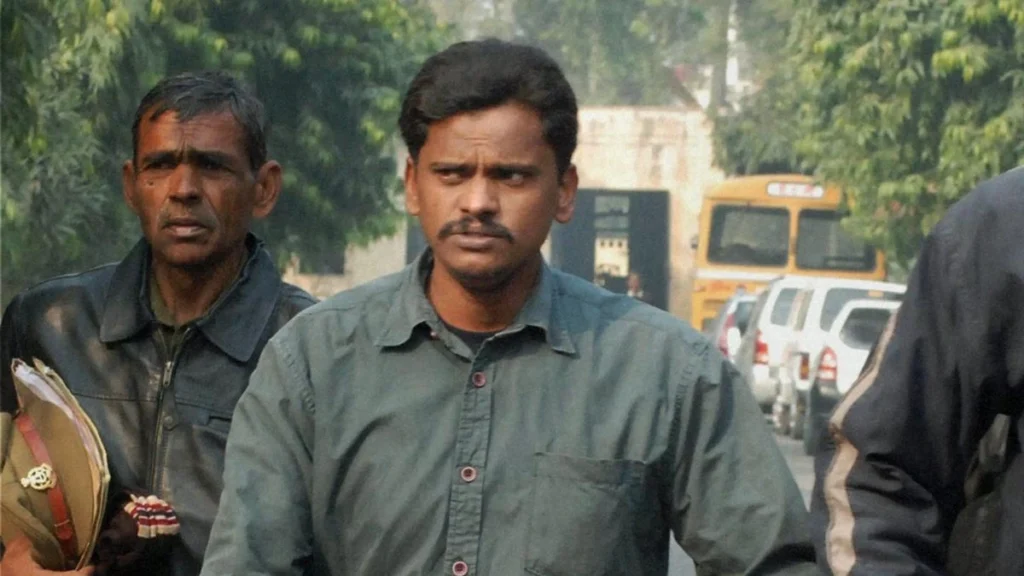
One of the most frequently asked questions is how many victims in Nithari killings were confirmed. The how many were killed in Nithari question has varying answers depending on sources:
Confirmed Victim Count
The Nithari serial killings confirmed victims details indicate between 16 to 19 victims, though some sources suggest the actual number could be higher. The Noida serial murders 2005 2006 victims list includes:
- Children aged between 5 to 15 years
- Young women in their late teens and early twenties
- Predominantly from economically disadvantaged backgrounds
- Residents of Nithari village Noida and nearby areas
The Question: Who Killed Children in Nithari Village?
The haunting question who killed children in Nithari village remains contentious despite the 2006 Noida murders investigation. While Surinder Koli serial killer allegations were the foundation of prosecutions, the Nithari killings case Supreme Court acquittal 2025 has left this question legally unanswered. The acquittals mean innocent or guilty Nithari accused remains officially undetermined by the highest court.
The Nithari victims families continue to seek answers, frustrated by the judicial outcome that contradicts the trial court findings.
Supreme Court Verdict: Why Were Pandher and Koli Acquitted?
The Nithari acquittal Supreme Court November 2025 shocked many who believed the case was conclusively proven. Understanding why were Pandher and Koli acquitted requires examining the Supreme Court’s reasoning:
Reasons for Acquittal
Surinder Koli why acquitted Supreme Court:
- Evidence Quality: The court found the forensic evidence insufficient to prove guilt beyond reasonable doubt
- Procedural Violations: Nithari case evidence tampering torture allegations raised doubts about confession validity
- Investigation Flaws: The Nithari killings investigation police failure reasons created gaps in the prosecution case
- Forced Confessions: Evidence of confession torture Nithari Koli custody undermined key prosecution testimony
- Chain of Custody: Questions about why was evidence rejected Nithari case centered on improper evidence handling
What evidence cleared Pandher Koli included:
- Lack of direct forensic links to specific victims
- Inability to prove presence during alleged crimes
- Contradictions in witness testimonies
- Doubts about DNA evidence integrity
High Court vs Supreme Court Divergence
The Nithari case High Court vs Supreme Court rulings showed stark differences. While lower courts convicted both accused with death sentences, the Supreme Court’s careful examination of procedural compliance led to complete reversal. This Pandher and Koli convicted or acquitted journey through different judicial levels highlights systemic issues in the criminal justice system failure Nithari.
The verdict sparked intense debate about death penalty India Nithari case application and whether wrongful convictions were prevented or justice was denied.
Reactions: How Did Families and Society Respond?
Victims’ Families Response
The Nithari victims families reaction acquittal news was one of anguish and disbelief. After waiting 19 years for justice, the Nithari victims families demand justice continues unabated. Family members expressed:
- Betrayal by the judicial system
- Demands for case reopening
- Questions about who killed children in Nithari village if not the accused
- Concerns about Pandher Koli released justice or injustice
The Nithari 19 years later closure denied sentiment captures the ongoing trauma. Families ask is Surinder Koli still in jail and express fear about where are Surinder Koli and Pandher now, worried that perpetrators walk free.
Public and Legal Community Response
The Nithari case judicial failure review has sparked widespread discussion about:
- Reforms needed in criminal justice system failure Nithari scenarios
- Better protections against confession torture Nithari Koli custody
- Strengthening forensic evidence collection protocols
- Addressing class bias in Nithari case police negligence investigation
Legal experts debate whether Surendra Koli walks free after acquittal represents justice served or justice denied, examining whether innocent or guilty Nithari accused can ever be definitively answered given the investigation failures.
Controversies and Theories
Cannibalism and Necrophilia Allegations
The Nithari case cannibalism necrophilia allegations fueled intense media coverage and public horror. While these allegations were part of initial reports and confessions, they were never conclusively proven in court. These sensational claims contributed to the house of horrors reputation but lacked forensic corroboration, raising questions about what happened in Nithari versus what was reported.
Organ Trade Theory
The Nithari organ trade theory investigation suggested a possible motive involving illegal organ harvesting. The organ trade Nithari investigation theory was examined during the Nithari killings CBI investigation case details but never substantiated with concrete evidence. This remains one of the unresolved aspects of what is the Nithari case about in terms of motive.
Evidence Tampering and Torture
The Nithari case evidence tampering torture allegations became central to the acquittal. Confession torture Nithari Koli custody claims suggested that initial confessions were obtained through coercion, fundamentally undermining the prosecution’s case. This raises the question of was Surinder Koli guilty Nithari case or was he a victim of investigative misconduct.
Current Status: Where Are Surinder Koli and Pandher Now?
Following the Surinder Koli released from jail 2025 and the Pandher Koli released justice or injustice debate, public interest in where are Surinder Koli and Pandher now remains high. The question is Surinder Koli still in jail is now answered – he has been released following the Nithari killings case Supreme Court acquittal 2025.
Surendra Koli walks free after acquittal after spending 19 years in custody, most of it on death row. Moninder Singh Pandher was released earlier following his Moninder Singh Pandher released acquittal 2023 in several cases and final clearance in 2025.
The Pandher Koli released justice or injustice question continues to polarize opinion, with some viewing it as correction of a flawed investigation while others see it as failure to deliver justice to Nithari victims.
Media and Cultural Impact
Films and Documentaries
The Vikrant Massey film based on Nithari brought renewed attention to the case, though it took creative liberties with the story. Various documentaries have explored the 2006 Noida serial killings, keeping the Nithari serial murders in public consciousness.
Books and Investigations
Several publications, including Nithari case book investigation details, have attempted to piece together what truly happened. These works examine the Pandher Koli case from multiple angles, contributing to the true crime serial killer literature in India.
The Nithari 19 years later closure denied reality means the story continues to evolve with each legal development and investigative revelation.
Systemic Lessons and Reforms Needed
Criminal Justice System Failures
The criminal justice system failure Nithari case exposes multiple weaknesses:
- Police Negligence: The Nithari case police negligence investigation showed how class bias delays justice
- Evidence Handling: Poor forensic protocols led to Nithari case evidence tampering torture allegations
- Confession Practices: The confession torture Nithari Koli custody issue highlights need for videographed interrogations
- Judicial Delays: How long did Nithari investigation take (19 years) demonstrates need for faster case resolution
The Nithari Case Judicial Failure Review
The Nithari case High Court vs Supreme Court divergence and the Nithari case judicial failure review suggest needs for:
- Standardized evidence evaluation protocols
- Better forensic capabilities
- Protection against coerced confessions
- Speedier trials to preserve evidence integrity
Death Penalty Considerations
The death penalty India Nithari case application and subsequent reversal raises important questions about capital punishment. The fact that both accused were on death row for years before acquittal demonstrates the irreversible nature of execution and importance of thorough evidence review.
FAQs About the Nithari Killings Case
Q1: What is the Nithari case about? A1: The Nithari case involves the 2006 Noida serial killings discovered at a house of horrors Noida property where skeletal remains of 16-19 victims, mostly children and young women, were found.
Q2: How many were killed in Nithari? A2: The how many victims in Nithari killings question has varying answers, with confirmed counts ranging from 16 to 19 victims based on the Nithari serial killings confirmed victims details.
Q3: Why were Pandher and Koli acquitted? A3: The Nithari killings case Supreme Court acquittal 2025 was based on insufficient evidence, Nithari case evidence tampering torture allegations, and procedural failures in the investigation.
Q4: Who is Surinder Koli? A4: Surinder Koli was the domestic servant accused as the primary perpetrator in the Nithari serial murders, though he was acquitted in 2025 after 19 years in custody.
Q5: Who is Moninder Singh Pandher? A5: Moninder Singh Pandher was the wealthy businessman who owned the Noida D5 house where the murders occurred, acquitted in 2023-2025.
Q6: What happened in Nithari case Noida? A6: The Nithari village murders involved serial killings with skeletal remains found Nithari drain location behind the Noida D5 bungalow case property between 2005-2006.
Q7: When did Nithari killings happen? A7: The 2006 Noida murders occurred between 2005 and 2006, discovered in December 2006 when the Payal missing case led to Nithari discovery.
Q8: Where is Nithari village? A8: Nithari village Noida is located in Sector 31, Noida, Uttar Pradesh, where the house of horrors stood.
Q9: Is Surinder Koli still in jail? A9: No, following Surinder Koli released from jail 2025 after the Supreme Court acquittal, he is no longer incarcerated.
Q10: Was Surinder Koli guilty Nithari case? A10: While trial courts found him guilty, the Nithari killings case Supreme Court acquittal 2025 overturned convictions, making the question of innocent or guilty Nithari accused legally undetermined.
Q11: Why was evidence rejected Nithari case? A11: Evidence was rejected due to Nithari case evidence tampering torture allegations, procedural violations, and questions about confession validity from confession torture Nithari Koli custody.
Q12: What evidence cleared Pandher Koli? A12: Lack of conclusive forensic links, doubts about forced confessions, and investigation procedural failures contributed to acquittal.
Q13: How long did Nithari investigation take? A13: The complete investigation and judicial process took approximately 19 years from discovery in 2006 to final Supreme Court verdict in 2025.
Q14: Where are Surinder Koli and Pandher now? A14: Both have been released following acquittals, with Moninder Singh Pandher released acquittal 2023 and Surinder Koli released from jail 2025.
Q15: Who killed children in Nithari village? A15: Despite initial convictions, the Nithari killings case Supreme Court acquittal 2025 means this question remains legally unanswered, frustrating Nithari victims families demand justice.
