

Introduction
The Chinese leader Xi Jinping has been the most powerful figure in China and arguably one of the most influential leaders globally since 2012. Understanding who is xi jinping and what drives his policies is essential for comprehending modern geopolitics, economic policy, and China’s trajectory toward 2050.
This comprehensive article explores xi jinping biography, his rise to power, major policies including the groundbreaking xi jinping chinese dream, the xi jinping anti-corruption campaign, and his leadership style that has fundamentally reshaped Chinese governance. Whether you’re interested in his xi jinping political ideology, his xi jinping taiwan policy, or his xi jinping vs trump approach to global diplomacy, this guide provides authoritative insights grounded in verified research.
The significance of understanding the president xi phenomenon cannot be overstated. As the supreme communist party leader and ultimate general secretary china, his decisions impact not just 1.4 billion Chinese citizens but ripple across global supply chains, financial markets, and geopolitical alignments. This article systematically addresses all dimensions of his leadership—from early career through contemporary policies.
Who is Xi Jinping? – Complete Overview
Xi Jinping is the president of china, general secretary of the Communist Party of China (CCP), and Chairman of the military commission. Born on June 15, 1953, he stands as the most powerful chinese president in decades and the ultimate communist party leader in the world’s most populous nation.
Core Facts About Xi Jinping
As the current china leader and general secretary china, Xi Jinping holds three paramount positions that consolidate authority like no recent chinese leader before him:
- President of the People’s Republic of China (since March 14, 2013)
- General Secretary of the Communist Party of China (since November 2012)
- Chairman of the Central Military Commission (since 2012)
The trinity of these positions—general secretary, president of china, and military commission chairman—creates unprecedented centralization of power. Unlike predecessors who held some positions while exercising power from others, Xi maintains active authority across all three domains simultaneously.
How long has xi jinping been in power? As of 2025, he has served for over 13 years in his primary role, making him one of China’s longest-serving leaders since Mao Zedong. This longevity results partly from the xi jinping term limits removed in 2018, allowing him to potentially serve indefinitely.
Why Xi Jinping Matters Globally
Understanding why is xi jinping important requires recognizing his dual role: chinese leader of the world’s most populous nation and second-largest economy, commanding authority over 1.4 billion people and trillions in economic output. His xi jinping political ideology and xi jinping political strategy shape:
- Global trade patterns through Belt and Road investments
- Technology competition as China pursues semiconductor independence
- Military balance in the Asia-Pacific region
- Climate policy as China balances environmental commitments with energy needs
- Geopolitical alignment as nations choose between U.S.-led and Chinese spheres
This primary keyword, chinese leader xi jinping, encapsulates the convergence of these global implications—a single individual directing policy for one-fifth of humanity.
Xi Jinping Biography and Early Life
Where Was Xi Jinping Born?
Where was xi jinping born? Technically in Beijing, though his ancestral home traces to Fuping County in Shaanxi Province. This dual geography—elite Beijing circles and peasant Shaanxi roots—becomes symbolically important to his political narrative. He frequently emphasizes connection to rural communities and working-class origins despite princeling status.
Xi Jinping Birth Date and Age
When was xi jinping born? June 15, 1953, placing him in a generational cohort that witnessed China’s transformation from revolutionary chaos to pragmatic development. Xi jinping age born during this pivotal era shaped perspectives on both revolutionary ideology and practical governance. How old is xi jinping currently? At 72 years old in 2025, he enters an age range where succession questions typically emerge—yet his xi jinping term limits removed constitutional amendment eliminates traditional age-based power transitions.
Xi Jinping Family Background
Xi jinping family background reflects “princeling” status—he was born into privilege as the son of xi zhongxun, a revolutionary figure and former Vice Premier. This familial connection to power structures but not personal power created an interesting trajectory. Xi jinping father xi zhongxun was a significant reformer who fell from grace during the Cultural Revolution, profoundly influencing young Xi’s worldview about factional struggles and the importance of political survival.
The xi jinping family background narrative emphasizes both elite connections and suffering during political upheaval. This dual experience—privilege combined with persecution—would later characterize his political philosophy: maintain centralized authority to prevent the chaos his family experienced.
Cultural Revolution Experience: Formative Years
During the Cultural Revolution (1966-1976), xi jinping early life was marked by “re-education through labor” in rural Shaanxi Province. Rather than this experience creating resentment, young Xi embraced peasant life pragmatically, learning agricultural practices and earning respect from local communities. This xi jinping early life period, often glossed over in official biographies, profoundly shaped his later emphasis on rural development and peasant welfare—at least rhetorically.
Xi Jinping Education at Tsinghua University
Xi jinping education tsinghua marks a crucial educational milestone. After rehabilitation following the Cultural Revolution, Xi attended tsinghua university, where he studied chemical engineering. This technical education—distinct from typical humanities-focused elite paths—influenced his later emphasis on precision, planning, and systematic problem-solving visible in his xi jinping policies reforms.
The xi jinping education tsinghua background provides insight into his governance style: viewing policy implementation as engineering challenges requiring technical solutions and systematic execution. This explains his emphasis on data collection, performance metrics, and hierarchical implementation of central directives.
Early Career Development
Following university, xi jinping career rise began modestly. Early positions in military support roles and county-level administration provided foundational experience. These early years demonstrated his willingness to work incrementally through bureaucratic hierarchies rather than seeking rapid advancement—a patience that would characterize his strategic rise.
Political Career and Rise to Power
Xi Jinping Career Rise: The Path to the Top
Xi jinping career rise began in provincial politics and progressed methodically through strategic positioning. When did xi jinping become president? On March 14, 2013, but his political ascent began much earlier through calculated moves:
Career Timeline: From County to Paramount Leader
Early Provincial Career (1979-2000): Military aide and county magistrate roles provided foundational experience in governance and party organization. As county magistrate of Zhengding (1982-1985), young Xi gained reputation for pragmatic problem-solving and connection to local populations.
Fujian Province Era (1985-2000): Served as governor and party secretary during rapid economic development. This xi jinping early career phase positioned him as a reformer capable of managing economic growth while maintaining political stability. Notably, xi jinping career rise through Fujian remained relatively untouched by major corruption scandals—unusual for the era and establishing credibility that would later enable anti-corruption campaigns.
Zhejiang Province Leadership (2002-2007): As xi jinping general secretary of Zhejiang, he oversaw rapid economic growth and innovated local governance models that would later influence national policy. The xi jinping policies reforms tested in Zhejiang—combining market mechanisms with party control, emphasizing technological upgrading, and implementing environmental protections—became blueprints for later national initiatives.
Shanghai Party Secretary (2007): Brief tenure as party secretary positioned him as successor within CCP hierarchies. This strategic positioning in China’s largest and most economically dynamic city signaled readiness for national responsibility.
Vice Presidency (2008-2013): Served as Vice President under Hu Jintao before ascending to supreme power, consolidating support among key party factions. This decade-long apprenticeship allowed Xi to build patronage networks and understand factional dynamics essential for maintaining power.
Xi Jinping Path to Becoming General Secretary
The ascension of Xi Jinping to general secretary in 2012 represented a critical moment. Unlike predecessors who maneuvered within collective leadership constraints, Xi systematically consolidated positions. Within months of becoming general secretary china, he simultaneously assumed presidency and military commission chairmanship—an unusual trifecta that signaled intent to exercise personal rather than collective authority.
Xi Jinping Political Positions Throughout His Career
Xi jinping political positions reflect systematic accumulation of power:
- County Magistrate of Zhengding (1982-1985)
- Party Secretary and Governor of Fujian Province (1985-2000)
- Party Secretary of Zhejiang Province (2002-2007)
- Party Secretary of Shanghai (2007)
- Vice President of China (2008-2013)
- General Secretary of CCP (2012-present)
- President of PRC (2013-present)
- Chairman of Central Military Commission (2012-present)
What distinguishes xi jinping ruling china since 2012 is that—unlike Jiang Zemin and Hu Jintao who maintained power through factional consensus—Xi progressively concentrated authority. His xi jinping political positions accumulated vertically rather than horizontally, creating a power structure unparalleled in recent Chinese history.
Xi Jinping Major Policies and Initiatives

The Chinese Dream Initiative
What is the chinese dream xi jinping? The xi jinping chinese dream represents his signature vision, introduced in 2012. It envisions achieving the “great rejuvenation of the Chinese nation” through modernization, strengthening party authority, and improving living standards by mid-century.
Xi jinping chinese dream fundamentally differs from western liberal visions of development by emphasizing party-directed modernization rather than individual liberty. The dream encompasses:
- National strength: Military modernization, technological advancement, economic power
- Individual prosperity: Improved living standards, consumer goods, healthcare
- Party legitimacy: CCP delivers material progress justifying political monopoly
- Global status: Restoring China to central position in international affairs
The xi jinping chinese dream combines nationalist ideology (“Chinese nation’s rejuvenation”) with pragmatic material development. By 2049 (100th anniversary of PRC founding), China should achieve “moderate prosperity for all” and “socialist modernization”—vague but aspirational goals that justify current policies.
Anti-Corruption Campaign: The Most Aggressive Purge
Xi jinping anti-corruption campaign stands as his most consequential policy—a sweeping initiative that transformed Chinese politics and consolidated power. Since 2012, this campaign has prosecuted 2.3+ million officials at various levels, fundamentally reshaping political dynamics and eliminating potential rivals.
The xi jinping anti-corruption campaign operates through two complementary mechanisms: ideology and practice. Ideologically, it emphasizes the CCP’s commitment to fighting corruption to maintain legitimacy. Practically, it eliminates factional rivals and strengthens Xi’s personal control.
Tigers and Flies: The xi jinping anti-corruption campaign targeted both high-ranking “tigers” and low-level “flies”:
- 120+ senior officials prosecuted, including former Politburo Standing Committee members Zhou Yongkang and Xu Caihou
- 60+ military generals removed for corruption, consolidating control over military
- 50+ state-owned enterprise leaders imprisoned, tightening party control over economic assets
Political Function: Beyond corruption fighting, this xi jinping policies reforms mechanism functioned as a consolidation tool, eliminating potential rivals and strengthening Xi’s grip on power. Notably, prosecution patterns suggest selective targeting—xi jinping political opponents faced investigation while political allies often escaped despite similar alleged misconduct.
Zero-COVID Policy: A Controversial Gamble
Xi jinping zero covid policy (2020-2022) demonstrated centralized decision-making and willingness to prioritize health over economic growth. Imposed nationwide lockdowns despite economic costs, the policy showed xi jinping centralized control in dramatic fashion. Shanghai lockdown paralyzed the global financial center for weeks; manufacturing disruptions rippled through global supply chains.
The policy’s eventual abandonment in late 2022, following rare public protests, revealed flexibility in xi jinping leadership style when facing sustained opposition. Rather than escalating repression, Xi pivoted policy—demonstrating pragmatism underlying his authoritarianism.
Hong Kong National Security Law
Xi jinping hong kong policy culminated in the National Security Law (2020), asserting chinese leader authority over the semi-autonomous territory. This xi jinping policies reforms dismantled promised autonomy under “one country, two systems,” transforming Hong Kong governance. Democratic activists faced prosecution; international business confidence declined; yet resistance proved futile—demonstrating xi jinping centralized control.
The xi jinping hong kong policy revealed his uncompromising stance on territorial control and willingness to violate international agreements when political interests demanded.
Taiwan Strategy and Military Pressure
Xi jinping taiwan policy represents perhaps his most critical challenge and most militarily consequential policy. Rather than invasion, current strategy emphasizes:
- Military modernization under xi jinping military buildup initiatives, specifically Taiwan-focused capabilities
- Economic pressure through tourism restrictions, agricultural bans, and trade manipulation
- Diplomatic isolation, reducing Taiwan’s international recognition
- Political messaging emphasizing “peaceful reunification” while threatening force
- Timeline acceleration suggesting potential military action if unification remains impossible
Xi jinping military buildup has made the PLA the world’s second-largest military, with capabilities specifically designed for Taiwan contingencies. Naval modernization, amphibious assault capabilities, and missile systems target Taiwan scenarios.
What does xi jinping believe regarding Taiwan? Evidence suggests he views reunification as historically inevitable and morally necessary—a restoration of Chinese territorial integrity rather than conquest. However, xi jinping political strategy remains flexible on method: military force if political integration fails; economic integration if political conditions permit.
Economic Policies and Five-Year Plans
Xi jinping five year plan (2021-2025) emphasizes:
- Common Prosperity: Reducing wealth inequality through redistribution and regulation of tech monopolies, real estate speculation, and education commercialization
- Dual Circulation: Reducing dependence on export-driven growth by boosting domestic consumption
- Self-Reliance: Technology independence, supply chain resilience, semiconductor manufacturing
- Green Development: Environmental protection integrated with economic growth, though coal consumption continues rising
These xi jinping policies reforms represent attempts to address contradictions: maintaining growth while reducing inequality; pursuing modernity while strengthening state control; competing globally while reducing external dependencies.
Leadership Style and Governance Approach
Xi Jinping Distinctive Leadership Approach
Xi jinping leadership style represents a marked departure from recent predecessors. Where Deng Xiaoping advocated “hiding capabilities and biding time,” xi jinping political strategy emphasizes active assertion of Chinese power globally and uncompromising authority domestically.
Xi jinping leader style characteristics include:
- Centralized decision-making: Unlike collective leadership, Xi makes final determinations
- Visible leadership: Unlike behind-scenes elite management, Xi appears regularly in public
- Ideology emphasis: Unlike pragmatic focus on development, Xi stresses ideological purity
- Assertive foreign policy: Unlike defensive posture, Xi pursues active role expansion
- Personal authority: Unlike institutional distribution, Xi embodies party and state
Xi Jinping Centralized Control Mechanisms
Xi jinping centralized control operates through sophisticated mechanisms:
- Party Leadership: Complete dominance of Communist Party decision-making through Politburo Standing Committee control
- Military Control: Personal authority over PLA through military commission and direct relationships with military leadership
- Ideology: Xi jinping political ideology centered on “Xi Jinping Thought on Socialism with Chinese Characteristics for a New Era”—mandatory study in schools and universities
- Anti-Corruption: Using corruption fighting as political purge tool to eliminate rivals and consolidate power
- Information Control: Sophisticated censorship and propaganda apparatus controlling narrative
- Patronage Networks: Promoting loyalists to critical positions throughout party and government
How Xi Jinping Differs from Previous Leaders
How is xi jinping different from previous leaders? Multiple dimensions illuminate this distinction:
Xi Jinping vs Deng Xiaoping: While Deng introduced pragmatic reforms (“seek truth from facts”), xi jinping governance approach emphasizes ideological purity alongside development. Deng deliberately limited personal power and decentralized authority among elites; Xi recentralized power in personal hands while removing term limits.
Xi Jinping vs Hu Jintao: Hu Jintao’s administration suffered from collective decision-making that created policy gridlock. Xi jinping authoritarian rule eliminated such constraints through personalized authority. Where Hu managed collective consensus, Xi imposes centralized decisions.
Xi Jinping vs Mao Zedong: Xi jinping vs mao zedong comparison reveals important contrasts. Mao pursued revolutionary transformation regardless of consequences; Xi maintains institutional structures while redirecting them. Mao built personality cult explicitly; Xi permits implicit cult while maintaining formal collective structures. Both display xi jinping authoritarian tendencies, yet through different mechanisms.
Xi Jinping Political Ideology Explained
What does xi jinping believe? His xi jinping political ideology synthesizes multiple traditions:
Marxist-Leninist Foundation: Commitment to CCP monopoly over politics and socialist trajectory with Chinese characteristics—yet “socialism” now means state-directed capitalism rather than traditional socialist economics.
Chinese Nationalism: Pride in historical civilization spanning millennia and resistance to Western dominance. This nationalism frames contemporary policies as restoring historical greatness rather than pursuing novel ambitions.
Meritocratic Authoritarianism: Rule by “virtuous” elites selected through party mechanisms rather than democratic elections. Xi jinping political ideology assumes party membership identifies superior individuals capable of virtuous governance.
Development-First Pragmatism: Economic growth legitimizes political authority. Xi jinping policies reforms prioritize GDP growth, infrastructure development, and material improvement as justification for political monopoly.
Confucian Harmony: Social stability through hierarchical order, filial piety, and virtue of elites. Xi jinping governance approach draws on classical Chinese philosophy emphasizing harmony and hierarchy.
State Capacity: Strong governmental institutions capable of implementing central directives. Unlike liberalism emphasizing individual rights, xi jinping political ideology emphasizes state effectiveness in delivering public goods.
Xi Jinping Personal Life and Family
Xi Jinping Spouse: First Lady Peng Liyuan
Who is xi jinping married to? He is married to peng liyuan, a renowned folk singer who became China’s first lady since 2013. Xi jinping wife peng liyuan initially kept a private profile but gradually appeared more publicly in state functions, particularly health promotion and cultural initiatives.
Xi jinping wife peng liyuan represents an unusual combination: arts background and international cultural engagement. Her folk singing fame predates Xi’s political ascension, and she maintains independent cultural significance despite spousal status.
Xi Jinping Daughter
Xi jinping daughter xi mingze studied at Harvard University and maintains a private lifestyle despite her father’s prominence. She represents the “princeling” generation that studied abroad and absorbed Western education while remaining embedded in Chinese elite networks.
Xi jinping daughter xi mingze largely avoids public life, and official Chinese media rarely mentions her. This privacy reflects protective measures common among elite families managing security and avoiding political complications.
Xi Jinping Father and Family Legacy
Xi jinping father xi zhongxun (1913-2002) profoundly shaped Xi’s political philosophy. As a revolutionary and later reformer, Xi Zhongxun’s experience with political persecution during the Cultural Revolution taught young Xi about party factional dynamics and the paramount importance of consolidating power to prevent such traumas.
Xi jinping father xi zhongxun advocated for reform and opening (改革开放), implementing early special economic zones in Shenzhen as Guangdong party secretary. This reform orientation shaped Xi’s pragmatic approach to economic development.
Xi Jinping Family Background and Princeling Status
Xi jinping family background reflects unique positioning: neither paramount power nor complete powerlessness. The family had influential connections yet suffered political persecution—experience that shaped cautious pragmatism.
The xi jinping family background narrative emphasizes resilience and commitment to party service despite adversity. Official biographies frame family suffering as motivation for public service and commitment to party stability.
Xi Jinping Wealth and Assets
Xi jinping net worth wealth has been estimated by some intelligence sources at $1+ billion, accumulated through family business interests, real estate holdings, and financial investments across multiple family members. This contradicts the modest public image, revealing wealth disparity between political elites and ordinary citizens.
Various investigative reports document xi jinping net worth wealth through:
- Real estate holdings across multiple cities
- Business investments through family members
- Financial assets including offshore accounts
- Equity stakes in state enterprises
This xi jinping net worth wealth accumulation occurs despite anti-corruption campaigns targeting others’ enrichment—a tension that reveals selective enforcement of anti-corruption principles.
Physical Appearance and Public Image
What does xi jinping look like? Tall by Chinese standards (approximately 6 feet), with a stern expression carefully cultivated through state media. His public image emphasizes seriousness, discipline, and connection to working people through carefully staged rural visits, factory inspections, and military exercises.
State media carefully manages visual representation—photographs show Xi in formal settings or with military/workers; casual/candid images are extremely rare. This xi jinping personal life privacy reflects calculated image management.
Xi Jinping vs Other Leaders: Comparative Analysis
Xi Jinping vs Trump: China-US Leadership Showdown

Xi jinping vs trump comparison reveals contrasting leadership philosophies in the 21st-century superpower competition. Recent xi jinping trump meeting during the APEC summit (November 2025) illustrates enduring tensions between competing visions.
| Dimension | Xi Jinping | Trump |
|---|---|---|
| Authority Source | Party monopoly, historical mandate | Electoral democracy, populism |
| Decision-Making Style | Centralized, consensus-building among elites | Personalized, sometimes impulsive |
| Ideological Foundation | Marxist-Leninist nationalism | Populist economic nationalism |
| International Approach | Long-term strategic integration | Transactional deal-making |
| Timeline Horizon | Multi-generational (100-year goals) | Electoral cycle focused (4-8 years) |
| Governance Model | State capacity and control | Market-driven deregulation |
| View of Allies | Subordinate to Chinese interests | Transactional relationships |
Xi jinping vs trump dynamics reflect fundamental civilizational differences in governance philosophy and power legitimation. Xi jinping trump meeting demonstrates that despite personal relationship improvements, systemic competition continues.
Xi Jinping vs Mao Zedong: Revolutionary vs Pragmatist
Xi jinping vs mao zedong represents the contrast between revolutionary ideology and technocratic pragmatism. Mao Zedong built his authority on revolutionary mythology and perpetual class struggle—”continuing the revolution.” Xi jinping vs mao zedong differs fundamentally in that Xi legitimizes authority through economic development and nationalist pride rather than revolutionary fervor.
Similarities Between Xi and Mao:
- Both centralized power ruthlessly
- Both built personality cults (though expressed differently)
- Both resisted Western influence and dominance
- Both emphasized party control of all spheres
- Both pursued aggressive nationalism
Differences Between Xi and Mao:
- Mao pursued ideological purity regardless of practical consequences; xi jinping political ideology balances ideology with pragmatic governance
- Mao built cult of personality explicitly; Xi permits implicit cult while maintaining formal collective structures
- Mao sought revolutionary transformation; Xi maintains institutional continuity
- Mao’s methods were often chaotic; Xi emphasizes systematic planning
Xi Jinping vs Deng Xiaoping: Active vs Passive Power
Xi jinping vs deng xiaoping illustrates evolving Chinese leadership philosophy. Deng Xiaoping introduced reform and opening (改革开放) but deliberately limited his personal power, serving as paramount leader without holding top titles. His famous dictum “hide capabilities, bide time” reflected strategic patience.
Xi Jinping approach inverts this—he consolidated all major titles and actively asserts Chinese power globally. Xi jinping political strategy rejects Deng’s “biding time,” instead pursuing:
- Belt and Road Initiative: Global infrastructure investment and influence
- Technology competition: Challenging U.S. technological dominance
- Military modernization: Increasing power projection capabilities
- Diplomatic assertiveness: Active role in global affairs rather than passive accumulation
Xi Jinping vs Hu Jintao: Unified vs Collective Power
Hu Jintao (2004-2012) governed through collective decision-making within Standing Committee, leading to policy inconsistency and gridlock. Xi jinping president governance centralized power to overcome this collective leadership paralysis, enabling decisive policy implementation.
Where Hu managed collective consensus, Xi imposes centralized decisions. This structural difference explains policy acceleration under Xi—whether environmental protection, anti-corruption, or tech regulation, Xi implements policies decisively rather than negotiating among fractious elites.
Xi Jinping Leader Style Characteristics
Xi jinping leader style combines elements from predecessors while remaining distinctive:
- Pragmatism from Deng: Recognition that development legitimates authority
- Nationalism from Mao: Pride in Chinese civilization and resistance to external dominance
- Institutionalization from Hu: Maintaining CCP structures while directing them personally
- Technocratic expertise: His engineering background visible in systematic governance
Xi Jinping Global Impact and International Relations
Xi Jinping Role in Global Leadership
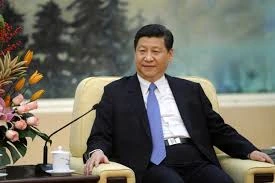
Xi jinping global leadership represents China’s transformation from rising power to peer competitor with the United States. His policies shape:
- Trade and economics: Belt and Road Initiative, economic coercion of trading partners
- Technology: Investment in AI, semiconductors, quantum computing
- Diplomacy: Strategic partnerships with Russia, Iran, developing nations
- Military: Power projection capabilities challenging U.S. naval dominance
- Ideology: Export of “Chinese model” as alternative to Western liberalism
Xi jinping 2025 represents a critical moment—mid-way through “13th Five-Year Plan,” halfway to 2049 “Chinese Dream” completion, and at a juncture where Taiwan policy may face crucial decisions.
Xi Jinping International Relations Strategy
Xi jinping international relations demonstrate sophisticated engagement:
Strategic Partnerships: Strengthening relationships with Russia, Iran, and developing nations to counterbalance U.S. influence. These partnerships provide energy security (Russia), regional influence (Iran), and developing-world support (Africa, Latin America).
Multilateral Institutions: Reforming global bodies to reflect Chinese interests—expanding BRICS influence, strengthening Shanghai Cooperation Organization, founding Asian Infrastructure Investment Bank.
Economic Influence: Using trade and investment as tools of statecraft, rewarding aligned nations and punishing those challenging Chinese interests.
Belt and Road Initiative: Economic Statecraft
The xi jinping policies reforms include the Belt and Road Initiative (BRI), a trillion-dollar infrastructure investment spanning 140+ countries. This xi jinping international relations strategy:
- Creates economic dependencies advantageous to China
- Builds geopolitical influence through infrastructure control
- Exports Chinese construction expertise and materials
- Establishes strategic corridors for military positioning
- Integrates developing nations into Chinese-centered economic orbit
Belt and Road connects to xi jinping global leadership ambitions—positioning China as central node in global supply chains and investment flows.
Taiwan Policy: The Critical Challenge
Xi jinping taiwan policy represents his most critical challenge and potential military flashpoint. When did xi jinping become president in 2013, Taiwan remained democratic and prosperous but politically ambiguous. His tenure has seen:
- Military pressure: Increased PLA exercises and capabilities specifically designed for Taiwan
- Diplomatic isolation: Reducing Taiwan’s international recognition from 22 to 12 countries
- Economic pressure: Restricting tourism (dropped 90%+), investment, agricultural imports
- Rhetoric escalation: “Reunification” from suggestion to apparent requirement
- Military timeline acceleration: Some analysts suggest preparation for potential “forced reunification” within 5-10 years
Xi jinping taiwan policy combines military threat with economic pressure and political integration offers—a comprehensive coercive strategy short of outright invasion.
Relationships with the United States
Xi jinping international relations with the U.S. have deteriorated significantly since 2017. Xi jinping trump meeting during Trump’s presidency initiated trade wars and technology competition. Subsequent Biden administration has maintained tough stances on China, resulting in:
- Technology decoupling: Semiconductor restrictions, software bans, hardware sanctions
- Military posturing: Increased naval operations in Taiwan Strait and South China Sea
- Competing influence: Rivalry in Southeast Asia, Pacific Islands, Africa
- Strategic competition: Framing U.S.-China relationship as systemic civilizational competition
Strategic Partnerships with Russia and Iran
Xi jinping international relations include strategic alignment with Russia and Iran, forming counter-alliance to Western dominance. Recent developments include:
- Energy partnerships: Pipeline deals providing energy security to China
- Military cooperation: Intelligence sharing, joint exercises, technology transfer
- UN voting coordination: Unified positions on Venezuela, Syria, North Korea
- Mutual support: Chinese support for Russia following Ukraine invasion; Russian support for Chinese territorial claims
Controversies and Criticisms
Human Rights Concerns
Xi jinping authoritarian rule has attracted significant international criticism:
Uyghur Situation: Detention of 1+ million Uyghurs in Xinjiang’s detention system, characterized by international observers as cultural genocide. Official Chinese narrative frames this as counter-terrorism education; international human rights organizations document forced labor, cultural assimilation, and religious persecution.
Tibet: Religious restrictions limiting monastic autonomy and Tibetan cultural expression. Heavy security presence, restrictions on Dalai Lama veneration, and Mandarin-language education prioritization.
Hong Kong: Erosion of promised autonomy through National Security Law, prosecuting democracy activists, and constraining press freedom. Xi jinping hong kong policy violated international commitments under “one country, two systems.”
Censorship: Extensive information control limiting freedom of expression through “Great Firewall,” social media censorship, and journalist intimidation. Foreign media faces restrictions; international platforms (Google, Facebook, Twitter) remain blocked.
Civil Society: NGO restrictions preventing independent social organization, activist persecution, and surveillance state technology deployment enabling unprecedented monitoring.
Economic Challenges and Policy Contradictions
Xi jinping policies reforms have created economic tensions:
Zero-COVID Economic Damage: Lockdowns devastated growth (2022 saw slowdown below 3%, first decade-low growth rate in 30 years)
Property Crisis: Real estate sector troubles affecting millions as major developers (Evergrande, Country Garden) defaulted on debt
Youth Unemployment: Rising joblessness despite education expansion and factory relocations
Debt Accumulation: Local government and corporate debt reaching unsustainable levels
Innovation Lag: Despite investments, China still trails in cutting-edge technologies where U.S. maintains advantages
Personality Cult and Democratic Deficit
Xi jinping political ideology implementation has revived personality cult elements unseen since Mao:
- Mandatory study of “Xi Jinping Thought” in schools
- Removal of constitutional term limits (2018)
- Centralization of power in individual hands
- Limited internal party democracy
- Succession planning opacity
The personality cult manifests in: state media emphasis, official ideology named after him, photographs in prominent locations, and ritual references to his thoughts and guidance.
Frequently Asked Questions
Who is Xi Jinping? (Basic Overview)
Who is xi jinping? Xi Jinping is the current president of china, general secretary of the Communist Party, and Chairman of the Central military commission. Born in 1953, he has led China since 2012 and is widely considered the most powerful chinese leader since Deng Xiaoping. As the communist party leader of the world’s most populous nation and second-largest economy, his decisions profoundly impact global geopolitics, economics, and security.
His role transcends symbolic presidency—he actively directs policy across political, military, and economic domains, wielding authority comparable to absolute monarchs rather than constrained democrats or collective autocrats.
What is the Chinese Dream?
What is the chinese dream xi jinping refers to? Xi jinping chinese dream is his signature political vision launched in 2012, articulating China’s goal to achieve “great rejuvenation” by 2049 (100th anniversary of PRC founding). It combines:
- National strength: Military modernization, technological advancement, economic power
- Individual prosperity: Improved living standards, consumer goods, healthcare
- Party legitimacy: CCP delivers material progress justifying political monopoly
- Global status: Restoring China to central position in international affairs
The xi jinping chinese dream represents aspirational goal-setting that justifies contemporary policies—from anti-corruption campaigns to military expansion to technology investments.
How Long Has Xi Jinping Been in Power?
How long has xi jinping been in power? As of November 2025, Xi has served as general secretary for 13 years (since November 2012) and president for 12 years (since March 2013). The xi jinping term limits removed constitutional amendment in 2018 theoretically allows him to serve indefinitely, though his advanced age raises succession questions.
The extended tenure reflects both xi jinping power consolidation success and systemic factors preventing elite turnover—unusual in modern governance where electoral systems or factional succession typically rotate leaders.
When Did Xi Jinping Become President?
When did xi jinping become president? On March 14, 2013, Xi officially became president after serving as Vice President since 2008. However, his rise to paramount leadership began earlier with appointment as general secretary in November 2012, which consolidated his power before assuming presidency.
The dual appointments—general secretary first, then president months later—followed traditional CCP protocol but with Xi consolidating both positions more completely than predecessors.
What Are Xi Jinping’s Major Policies?
What are xi jinping policies that define his tenure? Major initiatives include:
- Anti-Corruption Campaign: Xi jinping anti-corruption campaign targeting 2.3+ million officials
- Chinese Dream: Xi jinping chinese dream vision for national rejuvenation by 2049
- Belt and Road: Global infrastructure investment initiative
- Common Prosperity: Addressing inequality through regulation
- Military Modernization: Xi jinping military buildup creating advanced capabilities
- Taiwan Strategy: Xi jinping taiwan policy asserting sovereignty claims
- Tech Self-Reliance: Reducing dependence on Western technology
What Does Xi Jinping Believe?
What does xi jinping believe? His xi jinping political ideology centers on:
- CCP Superiority: Communist Party as sole legitimate governing entity
- Chinese Nationalism: Restoring historical greatness and resisting Western dominance
- Meritocratic Authoritarianism: Rule by virtuous elites selected through party
- Development Legitimacy: Economic growth justifies political control
- Confucian Order: Social harmony through hierarchical relationships
His beliefs synthesize Marxist-Leninist principles with nationalist ideology and pragmatic development focus.
How is Xi Jinping Different From Previous Leaders?
How is xi jinping different from previous leaders? Key distinctions include:
- Centralization: Consolidated power in unprecedented fashion vs. collective leadership
- Ideology: Emphasizes ideological purity alongside pragmatism
- Assertiveness: Active pursuit of Chinese interests globally vs. “biding time”
- Visibility: Prominent public leadership vs. behind-scenes elite management
- Longevity: Removed term limits enabling indefinite rule
Xi Jinping vs Trump: Who is More Powerful?
Xi jinping vs trump in terms of power—Xi Jinping commands chinese leader status with monopoly authority over 1.4 billion people and centralized state control. Trump operated within democratic constraints with divided power. However, xi jinping vs trump comparison depends on measuring power differently:
- Domestic Authority: Xi has absolute power; Trump faced institutional constraints
- Economic Control: Xi commands state assets; Trump operates in market economy
- Military Command: Xi controls 2+ million soldiers; Trump commands technologically superior U.S. military
- Durability: Xi’s consolidated power more durable; Trump’s influence depends on electoral returns
Where Was Xi Jinping Born? When Was Xi Jinping Born?
Where was xi jinping born? Beijing, though his ancestral home is Fuping County, Shaanxi Province. When was xi jinping born? June 15, 1953, making him 72 years old as of 2025. Xi jinping birth date and birthplace have symbolic importance in his political narrative connecting elite Beijing circles with peasant Shaanxi roots.
Who is Xi Jinping Married to?
Who is xi jinping married to? He is married to peng liyuan, a renowned folk singer born in 1962. They married in 1987. Xi jinping wife peng liyuan became China’s first lady upon his presidency in 2013. She maintains a relatively private profile despite her prominent position, occasionally appearing to promote cultural and health initiatives.
What About Xi Jinping’s Family?
Xi jinping family background reflects “princeling” status and revolutionary heritage. His father xi zhongxun was a revolutionary and reformer. Xi jinping father xi zhongxun profoundly influenced his political worldview through personal experience with factional struggles. Xi jinping daughter xi mingze studied at Harvard University and keeps a private lifestyle. Xi jinping net worth wealth of $1+ billion accumulated through family business interests raises questions about inequality despite “common prosperity” rhetoric.
Xi Jinping and Anti-Corruption
Xi jinping anti-corruption campaign prosecuted 2.3+ million officials since 2012. Was this genuine anti-corruption or political purge? Analysis suggests both elements:
- Genuine component: Corruption genuinely threatened regime legitimacy
- Political component: Campaign eliminated factional rivals and centralized power
- Selective targeting: Rivals faced investigation while allies often escaped despite similar conduct
- Institutional effect: Created chilling effect on independent decision-making, centralizing authority
Xi Jinping’s Economic Policies
Xi jinping economic policy emphasizes:
- State control: Strengthening SOE dominance over private sector
- Private sector regulation: Tech companies, education, real estate face restrictions
- Common prosperity: Reducing wealth inequality through redistribution
- Technological self-reliance: Reducing dependence on Western imports
- Green development: Climate commitments paired with continued coal use
Xi Jinping’s International Relations Strategy
Xi jinping international relations pursue xi jinping global leadership through:
- Belt and Road: Infrastructure investments creating economic dependencies
- Strategic partnerships: Alliances with Russia, Iran, developing nations
- Military projection: Naval expansion challenging U.S. dominance
- Ideological export: Promoting “Chinese model” as governance alternative
- Multilateral institutions: Reforming global bodies to reflect Chinese interests
Xi Jinping Taiwan Policy
Xi jinping taiwan policy represents his most critical challenge and potential military flashpoint. Policy elements include:
- Military pressure: Increased exercises and capabilities
- Diplomatic isolation: Reducing Taiwan’s international recognition
- Economic coercion: Restricting trade and tourism
- Political messaging: “Reunification” from aspiration to apparent requirement
- Timeline acceleration: Some analysis suggests potential military action within 5-10 years if political integration remains impossible
Conclusion: Understanding Xi Jinping Leadership in 2025
The chinese leader xi jinping has fundamentally transformed China’s governance, positioning the nation as a peer competitor to the United States while consolidating personal authority to unprecedented levels. Who is xi jinping in historical context? A transformative leader who ended collective leadership, removed term limits, and pursued assertive nationalism after decades of pragmatic pragmatism.
Understanding xi jinping biography, xi jinping career rise, and xi jinping political ideology provides essential context for comprehending contemporary geopolitics. His xi jinping chinese dream, xi jinping anti-corruption campaign, and xi jinping taiwan policy will shape global affairs for decades.
Strategic Importance of Xi Leadership
The xi jinping 2025 moment represents a critical inflection point. Why is xi jinping important? Because his decisions on Taiwan, economic management, technology competition, and authoritarian governance affect 1.4 billion Chinese and reverberate globally through:
- Trade and supply chains: Manufacturing disruptions ripple globally
- Technology competition: Determines innovation and commercial advantages
- Military balance: Affects security calculations for Pacific nations
- Climate policy: Influences global warming trajectory
- Geopolitical alignment: Nations choose between U.S.-led and Chinese-led orders
Xi Legacy and Future Impact
What is xi jinping best known for? His xi jinping anti-corruption campaign consolidated power, his xi jinping policies reforms modernized governance, and his xi jinping global leadership asserted Chinese interests. His xi jinping leadership style emphasizes centralized authority, nationalist ideology, and pragmatic development.
Key Takeaways
- Xi Jinping’s rise represents centralization of power exceeding Deng Xiaoping’s influence while operating through formal institutions unlike Mao’s revolutionary chaos
- His major policies—the chinese dream, anti-corruption, Belt and Road—serve both genuine governance goals and political consolidation
- International implications of his xi jinping international relations strategy and xi jinping military buildup will define 21st-century geopolitics
- Taiwan question under xi jinping taiwan policy remains the most critical security flashpoint
- Economic governance balancing growth with state control will determine long-term stability
- Succession planning remains opaque, creating uncertainty for post-Xi era
- Ideological emphasis reflects commitment to CCP primacy even as pragmatic development continues
Final Thought
For those seeking to understand modern China, global geopolitics, or the future of U.S.-China competition, comprehending who is xi jinping, xi jinping political ideology, and xi jinping leadership style is indispensable. His tenure has already reshaped international relations, economic structures, and power balances. Understanding the chinese leader xi jinping phenomenon provides essential keys to understanding the 21st century.
