Introduction: Understanding Sheikh Hasina Role in Bangladesh Politics
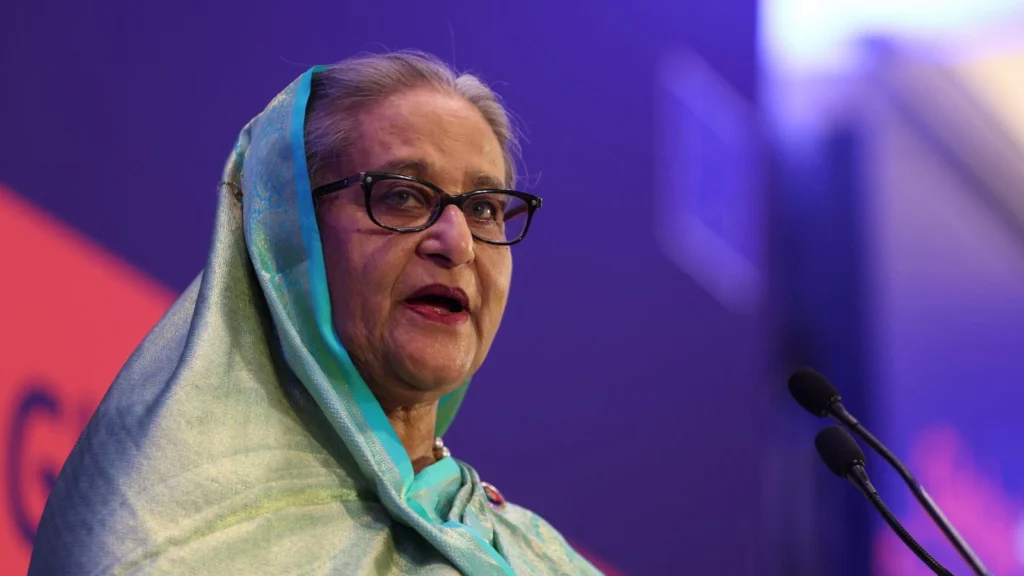
Sheikh Hasina, the former Bangladesh Prime Minister, has become one of the most controversial political figures in South Asian history. The recent Sheikh Hasina death sentence verdict delivered in November 2025 marks a dramatic turning point in Bangladesh politics 2025. As the longest serving PM Bangladesh, her political career—once celebrated for democratic values—has now culminated in a Sheikh Hasina sentenced to death verdict for alleged crimes against humanity.
This comprehensive guide explores the Sheikh Hasina biography, her tenure’s economic impact on Sheikh Hasina economic growth Bangladesh, the Sheikh Hasina ICT trial proceedings, and her current status in Sheikh Hasina exile India.
Understanding Sheikh Hasina Bangladesh requires examining multiple dimensions: her role as a pro-democracy icon, her leadership of the Awami League, the controversial Sheikh Hasina 2024 crackdown, and the ongoing Sheikh Hasina extradition India debates. This article provides detailed coverage of the Sheikh Hasina news developments, the Sheikh Hasina verdict, and the broader implications for Bangladesh news November 2025.
Who is Sheikh Hasina? Biography and Early Political Career
Sheikh Hasina Biography: From Democratic Icon to Exile
Sheikh Hasina, born in 1947, is the daughter of Sheikh Mujibur Rahman (known as Bangabandhu, the founder of Bangladesh). Her Sheikh Hasina father Bangabandhu legacy shaped her entry into politics and her position as a leader of the Awami League Bangladesh news and political discourse.
As the Sheikh Hasina Prime Minister and longest serving PM Bangladesh, she served three separate terms as head of government. Her political journey began during the pro-democracy movements in the 1980s, when she emerged as a vocal opponent of military rule. The Sheikh Hasina biography presents her as a crucial figure in Bangladesh politics, championing democratic values and advocating for constitutional governance.
Her tenure as former Bangladesh Prime Minister was marked by significant infrastructure development initiatives and Sheikh Hasina economic growth Bangladesh policies aimed at modernizing the nation’s economy. Development projects, technological advancement, and garment industry expansion characterized her administration’s approach to economic growth during her extended leadership period as the Sheikh Hasina longest serving PM Bangladesh.
Early Life and Family Legacy
The Sheikh Hasina father Bangabandhu connection provided both opportunity and tragedy. Her father was assassinated in 1975 when she was just 27 years old. This traumatic event shaped her political ideology and her commitment to democratic governance. She spent years in political opposition before finally achieving power, making her journey from political prisoner to Prime Minister a defining aspect of her Sheikh Hasina biography.
The Rise, Rule, and Controversial Leadership of Sheikh Hasina
Sheikh Hasina Prime Minister: Economic Achievements and Political Governance
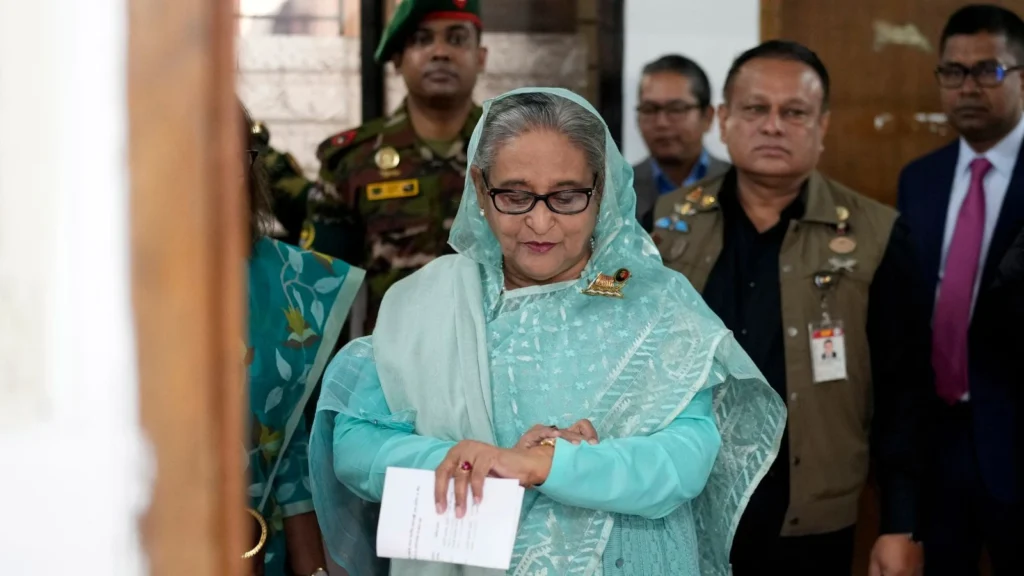
During her terms as Sheikh Hasina Prime Minister, particularly her extended final term (2009-2024), Bangladesh witnessed notable economic development. The Sheikh Hasina economic growth Bangladesh initiatives included:
- Infrastructure projects (roads, bridges, power plants)
- Technology and telecommunications expansion
- Garment industry support and labor policies
- Foreign investment attraction
- Metro rail development in Dhaka
- Digital Bangladesh initiative
However, these achievements became overshadowed by increasingly authoritarian governance practices. The Sheikh Hasina news coverage in international media frequently highlighted concerns about press freedom, opposition suppression, and judicial independence during her later years in office. Sheikh Hasina news today continues to analyze how her economic legacy conflicts with human rights concerns.
The Awami League Leadership and Political Dominance
Sheikh Hasina Awami League leadership maintained strong control over Bangladesh politics 2025 through three consecutive election victories. As the head of the Awami League Bangladesh news and political apparatus, she consolidated power significantly. Her party dominated legislative bodies, controlled key institutions, and maintained influence over judicial processes.
The Awami League Bangladesh news during her tenure often reflected state perspectives, raising concerns about media independence. Opposition parties, particularly the BNP Bangladesh Nationalist Party, frequently accused her government of election irregularities and authoritarian practices. The Sheikh Hasina Awami League connection defined much of modern Bangladeshi political landscape.
The 2024 Student Uprising and the Turning Point
Sheikh Hasina 2024 Crackdown: The Student Uprising July August 2024
In July-August 2024, Bangladesh witnessed massive Sheikh Hasina student uprising protests. What began as demonstrations against discriminatory job quota policies transformed into broader anti-government movement against Sheikh Hasina Bangladesh governance. The Bangladesh student uprising 2024 became a defining moment in the nation’s democratic struggle.
The Sheikh Hasina 2024 crackdown response was characterized by:
- Heavy police and military deployment
- Violent suppression of Sheikh Hasina student protests
- Reports of extrajudicial killings and enforced disappearances
- Internet shutdowns and communication blackouts
- Use of live ammunition against unarmed civilians
- Curfews and martial law imposition
According to reports, the government response to the July Revolution Bangladesh uprising resulted in hundreds of deaths. The Bangladesh political crisis 2024 escalated dramatically, with security forces accused of ordered helicopter drone killings targeting protesters. The Sheikh Hasina student uprising July August 2024 marked the beginning of the end for her regime.
The Scale of Violence During the Crackdown
The Sheikh Hasina student protests were met with unprecedented force. Young activists, primarily university and college students, formed the backbone of the Bangladesh student uprising 2024 movement. Their demands focused on:
- Withdrawal of the controversial quota system
- Democratic reforms
- End to alleged extrajudicial killings
- Constitutional amendments
However, the Sheikh Hasina 2024 crackdown response transformed the movement from a specific policy dispute into a broader pro-democracy uprising. This turning point ultimately led to Sheikh Hasina Bangladesh losing power and fleeing to Sheikh Hasina exile India. The Sheikh Hasina student uprising demonstrated the power of youth activism against authoritarian governance.
These events set the stage for what would become the defining moment in contemporary Bangladesh politics 2025 and precipitated the Sheikh Hasina student uprising July August 2024 that ultimately forced her from power and into exile.
The Death Sentence Verdict and ICT Trial
Sheikh Hasina Sentenced to Death: November 17, 2025 Verdict

On November 17, 2025, the International Crimes Tribunal Bangladesh delivered its historic verdict: Sheikh Hasina sentenced to death along with conviction on multiple charges of Sheikh Hasina crimes against humanity. The Sheikh Hasina sentenced to death November 2025 announcement sent shockwaves across South Asia.
The Sheikh Hasina death sentence verdict shocked the region and garnered international attention. Legal experts debated the verdict’s implications, while human rights organizations issued mixed statements regarding the Sheikh Hasina ICT trial fairness and procedures. The Sheikh Hasina verdict represents a landmark moment in regional accountability.
Understanding the Sheikh Hasina ICT Trial
The Sheikh Hasina International Crimes Tribunal trial verdict was based on allegations of:
- Sheikh Hasina ordered helicopter drone killings of civilians during the 2024 crackdown
- Extrajudicial executions and enforced disappearances
- Systematic torture and illegal detention
- Sheikh Hasina crimes against humanity charges under international law
- Command responsibility for security force atrocities
The Sheikh Hasina ICT verdict specifically cited:
- Her direct orders for violent suppression of protests
- Command responsibility for security force actions
- Authorization of Sheikh Hasina crimes against humanity
- Violations of international humanitarian law
- Conspiracy to commit crimes against humanity
The Sheikh Hasina International Crimes Tribunal verdict established clear legal precedent for accountability. The ICT verdict Bangladesh 2025 proceedings examined extensive evidence, including witness testimony, military communications, and documentary evidence of the Sheikh Hasina ordered helicopter drone killings during the crackdown period.
The Sheikh Hasina Conviction and Legal Charges
The Sheikh Hasina conviction represents accountability for alleged crimes against humanity. The tribunal found sufficient evidence that she:
- Authorized security forces to use lethal force
- Failed to prevent extrajudicial killings despite awareness
- Participated in a systematic campaign of oppression
- Violated Bangladesh’s own constitution and legal frameworks
- Breached international humanitarian law conventions
The Sheikh Hasina trial verdict proceedings occurred in absentia, as she remains in Sheikh Hasina exile India. The Sheikh Hasina Bangladesh International Crimes Tribunal trial verdict raises critical questions about Sheikh Hasina can she challenge death sentence verdict through appeals or international legal mechanisms.
The Sheikh Hasina crimes against humanity charges specifically include the Sheikh Hasina found guilty ordering killing of protesters verdict, which establishes direct command responsibility for the violence. The Sheikh Hasina sentenced to death for crimes against humanity judgment reflects the severity of the tribunal’s findings.
Extradition, Exile, and Current Status
Sheikh Hasina Exile India: Why She Remains in India
Following her forced resignation in August 2024, Sheikh Hasina India exile became her refuge. She fled to India, where she has remained protected from Sheikh Hasina extradition India efforts by the new Bangladesh government. The Sheikh Hasina exile India situation has created significant diplomatic tension between the two nations.
The Sheikh Hasina extradition India Bangladesh question remains highly contentious. India has not agreed to extradite her, citing several concerns:
- Political persecution risks
- Safety and security of the former PM
- Bilateral diplomatic relations
- Precedent for regional leaders seeking asylum
The extradition from India to Bangladesh issue represents a significant diplomatic tension between the two nations, with Bangladesh repeatedly requesting India’s cooperation while New Delhi maintains its position on humanitarian grounds. The Sheikh Hasina extradition India Bangladesh standoff continues despite the death sentence verdict.
Sheikh Hasina Exile Status and International Implications
Sheikh Hasina exile India raises important questions about international justice and asylum:
- Sheikh Hasina how will death sentence be carried out without her physical presence?
- Sheikh Hasina can she challenge death sentence verdict internationally?
- What is the Sheikh Hasina trial conducted in absentia proceedings legality?
- Will Sheikh Hasina extradition from India to Bangladesh ever occur?
The Sheikh Hasina India exile situation exemplifies broader challenges in international accountability and justice mechanisms. Many nations face similar dilemmas regarding former leaders accused of human rights violations. The question of Sheikh Hasina how will death sentence be carried out remains unresolved as long as she stays in India.
Diplomatic Standoff
The Indian government has maintained that the Sheikh Hasina extradition India issue should not become a point of contention between the two neighboring nations. India-Bangladesh relations remain strong in other areas, but the Sheikh Hasina extradition from India to Bangladesh question adds complexity to bilateral ties.
The Sheikh Hasina extradition India Bangladesh debate involves complex legal and political considerations. International law experts debate whether India has obligations under international humanitarian law to surrender someone convicted of crimes against humanity. The Sheikh Hasina trial conducted in absentia proceedings further complicates extradition debates, as some argue that in absentia convictions may not meet international due process standards.
Bangladesh Political Transition
Bangladesh Politics 2025: Post-Sheikh Hasina Era
The fall of Sheikh Hasina Bangladesh governance marks a dramatic shift in Bangladesh politics 2025. Following her resignation, an interim government led by Muhammad Yunus interim government took charge in August 2024.
Muhammad Yunus, the Nobel laureate renowned for his work on microfinance and poverty alleviation, assumed leadership of the transitional administration. His Muhammad Yunus interim government has focused on:
- Institutional reforms
- Preparation for democratic elections
- Transitional justice mechanisms
- Economic stabilization
The Bangladesh Prime Minister 2025 interim administration under Yunus represents a sharp departure from the previous regime’s authoritarian practices. The Muhammad Yunus interim government has prioritized transparency and accountability in its governance approach.
The Awami League Decline and Opposition Resurgence
The Awami League Bangladesh news coverage now focuses on the party’s decline from power. Once the dominant political force under Sheikh Hasina Awami League leadership, the party faces internal crises, with many members abandoning it following Sheikh Hasina’s fall.
The BNP Bangladesh Nationalist Party and other opposition groups have gained prominence in the new political landscape. The Bangladesh Prime Minister 2025 interim administration must navigate complex political waters while maintaining stability. The BNP Bangladesh Nationalist Party has called for immediate democratic reforms and accountability for Bangladesh crimes against humanity committed during the previous regime.
Looking Ahead: Bangladesh Elections 2026
Bangladesh elections 2026 will be crucial in determining the country’s democratic future. The Bangladesh Prime Minister 2025 interim administration must prepare for:
- Fair and transparent electoral processes
- Institutional reforms addressing Bangladesh crimes against humanity
- Rebuilding democratic institutions
- Restoration of civil liberties
The Bangladesh elections 2026 represent a critical test for the nation’s democratic transition. Political observers worldwide are watching how Bangladesh politics 2025 evolves under the interim administration.
Legal Framework and International Crimes Tribunal
International Crimes Tribunal Bangladesh: Historical Context
The International Crimes Tribunal Bangladesh was originally established to prosecute crimes from the 1971 War of Independence. However, the Sheikh Hasina ICT trial extends its jurisdiction to contemporary human rights violations and Bangladesh crimes against humanity allegations.
The tribunal operates under Bangladesh’s International Crimes (Tribunal) Act of 1973, with amendments made over the years. The Sheikh Hasina trial verdict represents a significant expansion of the tribunal’s role in contemporary accountability. The International Crimes Tribunal Bangladesh framework now addresses both historical and modern atrocities.
Sheikh Hasina Conviction and Crimes Against Humanity
The Sheikh Hasina crimes against humanity conviction is based on the principle of command responsibility. Military and police officials have also faced charges in parallel proceedings related to the Sheikh Hasina 2024 crackdown. The Sheikh Hasina conviction establishes that command responsibility applies even to the highest levels of government.
Command responsibility means that superior officers can be held accountable for subordinates’ actions when they:
- Knew or should have known about the crimes
- Failed to take reasonable steps to prevent them
- Failed to punish perpetrators
The Sheikh Hasina crimes humanity charges reflect this legal doctrine, establishing that as Prime Minister and commander-in-chief, she bore ultimate responsibility for security force actions. The Sheikh Hasina crimes against humanity charges specifically cite her failure to stop the violence despite clear knowledge of ongoing atrocities.
War Crimes Tribunal Bangladesh and Precedent
The War crimes tribunal Bangladesh framework established accountability mechanisms that now apply to the Sheikh Hasina Bangladesh International Crimes Tribunal trial verdict. This represents a significant evolution in Bangladesh’s approach to transitional justice.
The precedent set by the Sheikh Hasina conviction may influence how other nations and international bodies approach accountability for political leaders accused of similar crimes. The ICT verdict Bangladesh 2025 has attracted attention from international legal scholars studying accountability mechanisms.
Current News and Developments
Sheikh Hasina News Today: Breaking Updates
Sheikh Hasina news today continues to evolve as:
- Appeals processes begin and unfold
- Sheikh Hasina extradition India negotiations continue behind closed doors
- Victim compensation mechanisms are discussed
- International law experts debate the trial’s legitimacy
- New evidence emerges regarding the 2024 crackdown
The Sheikh Hasina news continues to dominate Bangladesh news November 2025 coverage, with daily developments attracting regional and international attention. Sheikh Hasina news today includes updates on her legal team’s appeal strategy and diplomatic efforts to resolve the extradition standoff.
Bangladesh News November 2025: The Broader Context

Bangladesh news November 2025 emphasizes the historic nature of the verdict. Major international organizations have commented on:
- The ICT verdict Bangladesh 2025 legality and fairness
- Sheikh Hasina trial verdict implications for regional justice
- Bangladesh political crisis 2024 aftermath and recovery
- The July Revolution Bangladesh legacy and youth activism
Key international bodies providing commentary include:
- United Nations Human Rights Office
- International Court of Justice
- Human Rights Watch
- Amnesty International
- International Commission of Jurists
Bangladesh news November 2025 coverage also examines how the Muhammad Yunus interim government is managing the transition and preparing for Bangladesh elections 2026.
Sheikh Hasina Verdict: International Response
The Sheikh Hasina verdict has generated significant international debate regarding:
- Bangladesh Prime Minister accountability
- Rule of law in South Asia
- Awami League political future and reformation
- Regional stability and security implications
International observers note that the Sheikh Hasina sentenced to death November 2025 verdict could influence how other South Asian nations address historical injustices. The Sheikh Hasina International Crimes Tribunal verdict has been cited as both a model for accountability and a cautionary tale about politically motivated justice.
Understanding the Charges: Crimes Against Humanity
Sheikh Hasina Crimes Against Humanity: Specific Allegations
The Sheikh Hasina crimes against humanity charges specifically include:
Extrajudicial Killings: During the Sheikh Hasina 2024 crackdown, security forces allegedly committed thousands of extrajudicial executions. The Sheikh Hasina ordered helicopter drone killings allegation suggests direct involvement in military operations targeting civilians. The Sheikh Hasina found guilty ordering killing of protesters verdict establishes clear command responsibility. Victims included:
- Unarmed students and youth
- Political activists and opposition members
- Journalists and media workers
- Civil society leaders
Enforced Disappearances: Reports document over 600 enforced disappearances during the crackdown period, with victims allegedly killed in custody. Families continue seeking answers about missing loved ones. These disappearances form a significant part of the Bangladesh crimes against humanity charges.
Systematic Torture: Detained protesters faced torture in detention facilities under government control. Methods included:
- Physical beatings and sexual violence
- Psychological torture and threats
- Denial of medical care
- Extended solitary confinement
Persecution: Selective targeting of opposition members, journalists, and activists based on their political views and activities. This systematic persecution contributed to the Sheikh Hasina crimes against humanity charges brought by the tribunal.
Sheikh Hasina Conviction and Legal Precedent
The Sheikh Hasina conviction establishes important precedent for holding political leaders accountable for crimes against humanity. This contrasts with many South Asian nations where former leaders often escape prosecution. The Sheikh Hasina sentenced to death for crimes against humanity judgment demonstrates that even longest serving PM Bangladesh figures can face accountability.
The Question of Accountability and Justice
Sheikh Hasina Can She Challenge Death Sentence Verdict?
Sheikh Hasina can she challenge death sentence verdict? This is a crucial legal question. The verdict is subject to appeals to:
- The International Crimes Tribunal Bangladesh appellate division
- Potentially Bangladesh’s Supreme Court
- International human rights bodies such as the UN Human Rights Committee
However, her Sheikh Hasina exile India status complicates the appeals process significantly. Her legal team has begun filing appeals, arguing:
- Procedural irregularities in the trial
- Insufficient evidence for some charges
- Bias in the tribunal composition
- Violations of due process rights
The question Sheikh Hasina can she challenge death sentence verdict involves complex jurisdictional and procedural issues, particularly given the Sheikh Hasina trial conducted in absentia proceedings nature of the conviction.
Sheikh Hasina How Will Death Sentence Be Carried Out?
Sheikh Hasina how will death sentence be carried out without her physical presence remains unresolved. Bangladesh cannot execute her while she remains in India. This creates a unique situation where:
- The sentence stands legally
- Actual implementation remains impossible
- Sheikh Hasina extradition from India to Bangladesh becomes critical
- International precedent remains unclear
Some legal experts suggest that:
- The sentence could be commuted during appeal
- International mediation might be pursued
- India and Bangladesh might negotiate a settlement
- The sentence remains symbolic of accountability
The practical question of Sheikh Hasina how will death sentence be carried out may ultimately depend on diplomatic negotiations rather than legal mechanisms. The Sheikh Hasina India exile protection effectively prevents execution of the sentence.
Sheikh Hasina Trial Conducted in Absentia Proceedings
The Sheikh Hasina trial conducted in absentia proceedings raises important questions about:
- Due process and right to defense
- International legal standards for in absentia trials
- Victim participation and witness protection
- The validity of convictions reached without the defendant’s presence
International legal standards generally permit in absentia trials when:
- The defendant voluntarily absents themselves
- The defendant has been properly notified
- The defendant’s right to counsel is respected
- Adequate opportunities for appeal exist
The Sheikh Hasina Bangladesh International Crimes Tribunal trial verdict attempted to meet these standards, but critics question whether Sheikh Hasina trial conducted in absentia proceedings can truly provide full due process rights.
Impact on Bangladesh Democratic Future
Bangladesh Political Crisis 2024: Lessons and Recovery
The Bangladesh political crisis 2024 provides important lessons about:
- Democratic accountability and institutional checks
- Civil-military relations and civilian control
- Protection of fundamental freedoms and rights
- The role of youth activism in democratic processes
- Institutional resilience during political transitions
The July Revolution Bangladesh that ended Sheikh Hasina Bangladesh rule demonstrated that sustained popular mobilization can challenge even entrenched authoritarian governments. The Bangladesh political crisis 2024 will be studied by political scientists for years as a case study in democratic transition.
Bangladesh’s recovery from the crisis will require:
- Institutional reforms addressing governance shortcomings
- Democratic strengthening and institution-building
- Transitional justice for victims
- Truth and reconciliation efforts
- Economic recovery and social healing
Bangladesh Student Uprising 2024: Youth Activism
The Bangladesh student uprising 2024 demonstrated youth power in challenging authoritarian governance. Young people played central roles in the July Revolution Bangladesh protests that led to Sheikh Hasina Bangladesh governance change. The Sheikh Hasina student uprising became a template for youth-led democratic movements across the region.
Student activists showed remarkable:
- Organizational capacity and coordination
- Moral courage in face of violent repression
- Resilience and determination
- Creative use of social media and digital tools
- Commitment to democratic ideals
The Bangladesh student uprising 2024 reminds us that generational change can occur when youth mobilize for democratic principles. The legacy of this uprising will influence Bangladesh’s political culture for years to come. The Sheikh Hasina student protests ultimately proved more powerful than state repression.
The Broader Context: South Asian Accountability
Comparative Analysis: Regional Justice Mechanisms
The Sheikh Hasina conviction contrasts with:
- Pakistan’s limited accountability for security force actions
- Sri Lanka’s challenges in prosecuting alleged war crimes
- India’s disputed human rights record scrutiny
- Nepal’s incomplete transitional justice processes
The International Crimes Tribunal Bangladesh model offers potential lessons for other South Asian nations seeking to establish accountability mechanisms. However, each nation must adapt mechanisms to its own constitutional and legal frameworks. The War crimes tribunal Bangladesh experience provides both positive examples and cautionary lessons.
Regional Implications
The Sheikh Hasina death sentence verdict may influence:
- Other regional governments’ approach to accountability
- Civil society’s confidence in justice mechanisms
- International donors’ confidence in Bangladesh’s institutions
- Regional stability and diplomatic relations
The Sheikh Hasina verdict has already sparked discussions in neighboring countries about establishing similar accountability frameworks. The Bangladesh crimes against humanity prosecutions demonstrate that transitional justice is possible even in countries with limited judicial resources.
Conclusion: Sheikh Hasina Legacy and Bangladesh’s Path Forward
The Sheikh Hasina death sentence verdict represents a watershed moment in South Asian history. As the longest serving PM Bangladesh and a Sheikh Hasina Prime Minister three times over, her transformation from democratic icon to convicted criminal exemplifies the dangers of unchecked power.
Sheikh Hasina Bangladesh governance, characterized by economic growth achievements alongside serious crimes against humanity allegations, presents a complex legacy. The Sheikh Hasina news coverage will continue as extradition debates, appeal proceedings, and accountability mechanisms unfold.
The Sheikh Hasina ICT trial outcome signals that even highest-ranking officials face consequences for Sheikh Hasina crimes against humanity. As Bangladesh politics 2025 moves forward under new leadership, the nation must balance:
- Transitional justice for victims of the crackdown
- Democratic institution-building to prevent future abuses
- Reconciliation and national healing
- Prevention of future atrocities and human rights violations
The Sheikh Hasina sentenced to death verdict will shape Bangladesh news November 2025 for years to come, influencing how nations address crimes against humanity and hold political leaders accountable for their actions. The Sheikh Hasina conviction establishes important legal precedent while raising challenging questions about justice, due process, and political accountability.
Looking Forward
Bangladesh’s journey from Bangladesh political crisis 2024 to democratic renewal under the Muhammad Yunus interim government represents both challenge and opportunity. The Bangladesh Prime Minister 2025 interim administration must:
- Implement transitional justice mechanisms
- Prepare for Bangladesh elections 2026
- Restore institutional legitimacy
- Rebuild public trust in governance
- Address the Bangladesh crimes against humanity legacy
The future of Bangladesh politics 2025 will depend on how effectively these challenges are addressed. The Sheikh Hasina verdict serves as both vindication for victims and warning to future leaders about the consequences of authoritarian governance.
The Sheikh Hasina sentenced to death November 2025 judgment reminds us that accountability, though delayed, remains possible even for the most powerful. As the Awami League Bangladesh news continues to evolve and the BNP Bangladesh Nationalist Party positions itself for the upcoming elections, Bangladesh stands at a critical crossroads.
The resolution of the Sheikh Hasina extradition India Bangladesh standoff, the outcome of Sheikh Hasina can she challenge death sentence verdict appeals, and the answer to Sheikh Hasina how will death sentence be carried out will all shape Bangladesh’s path toward justice and democratic renewal.
Frequently Asked Questions About Sheikh Hasina
Q1: Where is Sheikh Hasina now?
Sheikh Hasina exile India – She remains in India and has not been extradited despite Sheikh Hasina extradition India Bangladesh demands from the Bangladesh government. India has maintained its position protecting her from what it considers potential political persecution. Her Sheikh Hasina India exile status continues to create diplomatic tension.
Q2: Can Sheikh Hasina appeal the verdict?
Yes, Sheikh Hasina can she challenge death sentence verdict through appeal processes, though her Sheikh Hasina India exile status complicates proceedings. Her legal team has already begun filing appeals challenging the conviction on multiple grounds, including concerns about the Sheikh Hasina trial conducted in absentia proceedings.
Q3: What are the specific Sheikh Hasina crimes against humanity charges?
The specific charges include extrajudicial killings, enforced disappearances, torture, and persecution during the 2024 crackdown. The Sheikh Hasina ordered helicopter drone killings allegation is particularly significant in the case. The Sheikh Hasina found guilty ordering killing of protesters verdict establishes direct command responsibility. The Sheikh Hasina crimes against humanity charges represent some of the most serious allegations ever brought against a South Asian leader.
Q4: What is the Muhammad Yunus interim government doing?
The Muhammad Yunus interim government is leading transitional governance and preparing for Bangladesh elections 2026. The interim administration is also addressing transitional justice issues and institutional reforms necessary for democratic recovery. The Bangladesh Prime Minister 2025 transition period focuses on rebuilding democratic institutions damaged during the authoritarian period.
Q5: How does the Sheikh Hasina trial conducted in absentia proceedings differ from standard trials?
The Sheikh Hasina trial conducted in absentia proceedings occurred without the defendant’s physical presence. While international law permits such trials under certain conditions, they raise questions about due process and the defendant’s ability to mount a full defense. The Sheikh Hasina Bangladesh International Crimes Tribunal trial verdict exemplifies these complexities, particularly regarding whether Sheikh Hasina can she challenge death sentence verdict effectively from exile.
Q6: What is Bangladesh Prime Minister 2025 status under the interim government?
The Bangladesh Prime Minister 2025 position is currently held by Muhammad Yunus as head of the interim administration. This represents a transitional period in Bangladesh politics 2025 until Bangladesh elections 2026 can establish a democratically elected government. The Muhammad Yunus interim government serves as caretaker while preparing the groundwork for democratic elections.
Q7: Will Sheikh Hasina ever be extradited?
The Sheikh Hasina extradition from India to Bangladesh question remains highly uncertain. India has not indicated willingness to surrender her, citing humanitarian concerns and political asylum principles. The Sheikh Hasina extradition India standoff may continue indefinitely unless diplomatic negotiations produce a compromise. International legal experts debate whether India has obligations to extradite someone convicted by the International Crimes Tribunal Bangladesh.
Q8: What happened during the July Revolution Bangladesh?
The July Revolution Bangladesh refers to the Bangladesh student uprising 2024 that began in July-August 2024. The Sheikh Hasina student uprising July August 2024 started as protests against discriminatory quota policies but evolved into a broader democratic movement. The Sheikh Hasina 2024 crackdown response to these Sheikh Hasina student protests involved violent repression that ultimately led to her downfall and the current Bangladesh political crisis 2024 resolution.
Q9: How will the death sentence be carried out?
Sheikh Hasina how will death sentence be carried out remains an unresolved question. As long as she maintains her Sheikh Hasina exile India status, Bangladesh cannot physically execute the sentence. The practical implementation depends on either successful Sheikh Hasina extradition India Bangladesh negotiations or her voluntary return, neither of which appears likely in the near term.
Q10: What was Sheikh Hasina’s economic legacy?
Sheikh Hasina economic growth Bangladesh policies achieved significant development milestones during her tenure as longest serving PM Bangladesh. Infrastructure projects, technological advancement, and economic modernization characterized her administration. However, these economic growth achievements have been overshadowed by the Sheikh Hasina crimes against humanity allegations and the Sheikh Hasina sentenced to death for crimes against humanity verdict, creating a complex and contested legacy.