Introduction: Understanding the Kashmiri Pandits Exodus
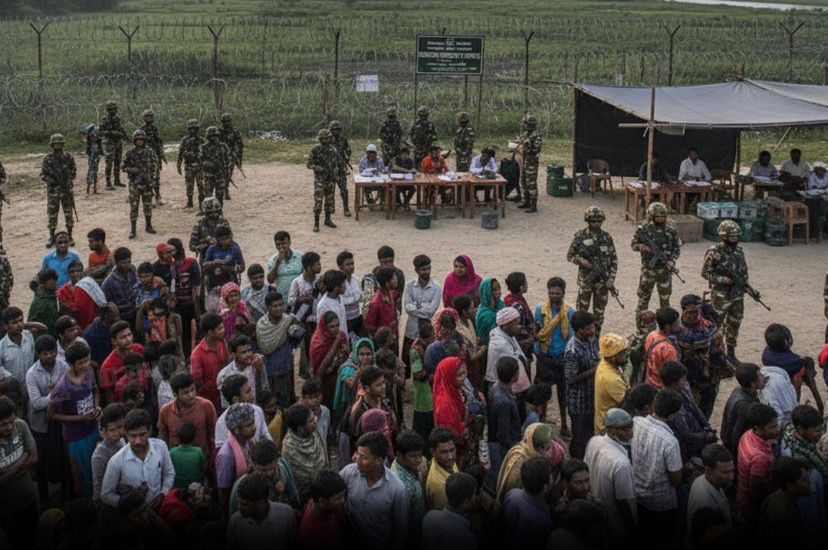
The exodus of Kashmiri Pandits represents one of the most tragic forced migrations in post-independence India. The Kashmiri Pandits exodus 1990 witnessed approximately 90,000 to 100,000 Kashmiri Pandits flee the Kashmir Valley, abandoning centuries of cultural heritage and ancestral homes. This comprehensive article examines the Kashmiri Pandits crisis, exploring the historical context, causes of Kashmiri Pandit exodus, consequences, and contemporary displaced Kashmiri Pandits rehabilitation efforts.
The mass exodus Kashmir 1990 was neither spontaneous nor isolated—it culminated from escalating Kashmir violence, Kashmiri Pandits insurgency militancy, and political upheaval that forced the Hindu exodus from a territory the Kashmiri Hindu community had inhabited for millennia. Understanding this Pandit migration requires examining the political, religious, and security dimensions that drove thousands of displaced Pandits to abandon their homeland.
Historical Context: The Kashmiri Hindu Community Before Kashmir 1990
The Ancient Kashmiri Pandits Heritage
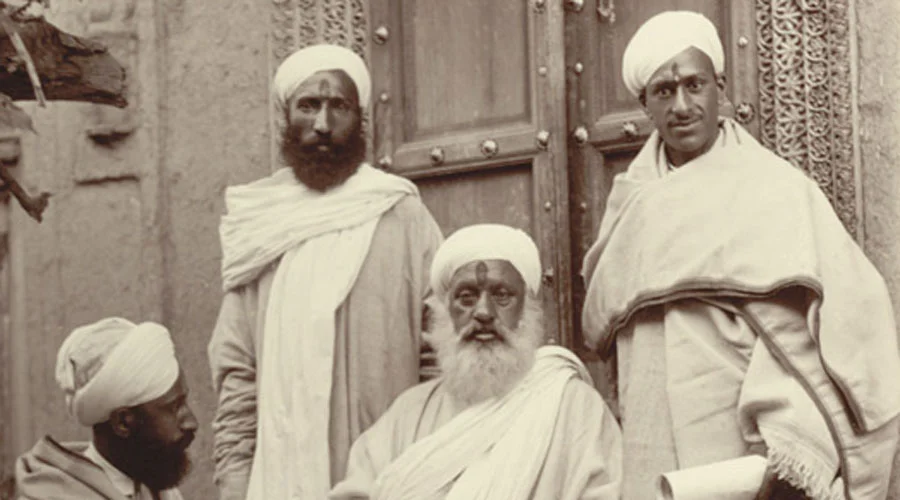
The Kashmiri Hindu population, particularly the Brahmin caste known as Kashmiri Pandits, maintained a presence in the Kashmir Valley for over two thousand years. The Kashmiri Pandits were scholars, administrators, merchants, and spiritual leaders who shaped Kashmir’s renowned intellectual tradition. Their contributions to Kashmir’s cultural fabric made the subsequent Kashmiri Pandit migration from Kashmir Valley even more devastating.
By the late 1980s, the Kashmiri Pandits numbered approximately 140,000 to 160,000 individuals in the valley. However, their demographic representation had already declined from historical highs due to earlier migrations and mounting communal tensions that would ultimately lead to the Hindu exodus.
Pre-Exodus Tensions: Kashmiri Pandits September 1989 Killings
The immediate precursor to the forced migration Kashmiri Pandits history occurred during the Kashmiri Pandits September 1989 killings. Several prominent Kashmiri Pandits were murdered, including religious leaders and community figures. These targeted killings served as a harbinger of the Kashmir violence to come, sending tremors of fear through the Kashmiri Hindu community.
The Kashmiri Pandits September 1989 violence marked the beginning of systematic targeting that would escalate into the full-scale exodus Kashmir crisis. The Kashmir 1990 year would prove even more consequential, marking the point of no return for most Kashmiri Pandits.
The Trigger Event: January 19 1990 Kashmiri Pandits Crisis
When Did Kashmiri Pandits Flee Kashmir?
When did Kashmiri Pandits flee Kashmir? The answer centers on a specific flashpoint: January 19 1990 Kashmiri Pandits witnessed the event that transformed simmering tensions into panic and mass exodus Kashmir 1990. On this date, militant organizations distributed threatening posters and ultimatums, explicitly demanding the departure of Kashmiri Pandits from the Kashmir Valley.
The Kashmiri Hindu exodus January 1990 specifically denotes this trigger period. The January 19 1990 Kashmiri Pandits date marks the inflection point that catalyzed the exodus of Kashmiri Pandits, though the broader valley migration extended through 1990-1992.
Why Did Kashmiri Pandits Leave Kashmir? A Multifactorial Analysis
1. Kashmiri Pandits Insurgency Militancy and Hizb-ul-Mujahideen Kashmiri Pandits Threats
Understanding why did Kashmiri Pandits leave Kashmir requires examining the Kashmiri Pandits insurgency militancy that directly targeted the Hindu minority displacement Kashmir. The Hizb-ul-Mujahideen Kashmiri Pandits threats represented documented evidence of systematic intimidation driving the Kashmiri Hindu forced migration.
Hizb-ul-Mujahideen, one of the largest separatist organizations, issued explicit Hizb-ul-Mujahideen Kashmiri Pandits threats through threatening posters and communiques warning Pandits fled Kashmir Valley within days. These Hizb-ul-Mujahideen Kashmiri Pandits warnings weren’t idle—they were backed by a campaign of Kashmir violence and intimidation that fundamentally shaped Kashmiri Pandits migration reasons militancy.
2. Religious and Communal Dimensions of the Hindu Exodus
The Hindu exodus was fundamentally tied to communal tensions exacerbated by the rise of Islamic militancy. As Kashmiri Pandits insurgency militancy escalated, the minority Kashmiri Hindu population increasingly felt vulnerable, contributing to the causes of Kashmiri Pandit exodus and the eventual Hindu minority displacement Kashmir.
3. Kashmiri Pandits Jagmohan Governor 1990: Government Failure
The role of Kashmiri Pandits Jagmohan governor 1990 remains controversial in understanding why did Kashmiri Pandits leave Kashmir. Jagmohan, appointed as governor in May 1990, faced criticism for failing to protect the Kashmiri Pandits during the Kashmiri Pandits exodus 1990. The Kashmiri Pandits Jagmohan governor 1990 period witnessed the peak exodus Kashmir, though violence preceded his appointment.
Critics argue the Kashmiri Pandits Jagmohan governor 1990 administration failed to prevent the Kashmiri Hindu forced migration, while supporters contend he inherited an impossible situation during the Kashmir 1990 crisis.
4. Economic Marginalization in Kashmiri Pandits Migration Reasons Militancy
Broader Kashmiri Pandits migration reasons militancy included economic marginalization. Post-1947 land reforms disproportionately affected the historically landowning Kashmiri Pandits elite. These economic grievances, combined with religious tensions and Kashmir violence, created conditions driving the forced migration Kashmiri Pandits history.
5. Kashmiri Pandits Death Toll Violence Preceding Mass Flight
The period before the main exodus of Kashmiri Pandits witnessed escalating Kashmiri Pandits death toll violence. Targeted killings created a climate of fear among the Kashmiri Hindu community. The Kashmir violence appeared increasingly systematic against the minority Kashmiri Pandits, contributing significantly to causes of Kashmiri Pandit exodus.
The Exodus Timeline: Detailed Kashmiri Pandits History 1990

Phase 1: January-March 1990 – The Main Hindu Exodus
Kashmiri Pandits history 1990 centers on the winter of 1989-1990. The Kashmiri Hindu exodus January 1990 period witnessed:
- January 19-20, 1990: January 19 1990 Kashmiri Pandits trigger event; threatening posters distributed; panic spreads through Kashmiri Hindu community
- January 20-31: Mass exodus Kashmir 1990 begins; Kashmiri Pandits families flee with minimal possessions
- February 1990: Peak exodus Kashmir period; thousands daily departing Kashmir Valley
- March 1990: Continuous Pandit migration as security deteriorates
Phase 2: Spring-Summer 1990 – Continuing Valley Migration
Through spring and summer, the valley migration continued as remaining Kashmiri Pandits made the difficult decision to leave. The Kashmiri Pandit migration from Kashmir Valley flowed steadily through 1991 and 1992, with displaced Pandits continually departing amid ongoing Kashmir violence.
Phase 3: Ongoing Kashmiri Hindu Forced Migration (1992-Present)
While the initial Kashmiri Pandits exodus 1990 peaked early, low-level Pandit migration continued throughout the 1990s and 2000s. The Kashmiri Hindu forced migration persisted as security conditions remained precarious for the Kashmiri Hindu minority.
Forced Migration or Voluntary Departure? Understanding Kashmiri Pandits Forced Displacement
Was It Kashmiri Pandits Forced Displacement?
Scholars debate whether the exodus of Kashmiri Pandits constituted Kashmiri Pandits forced displacement or voluntary migration. The evidence overwhelmingly suggests the Kashmiri Pandits exodus 1990 was primarily driven by Kashmiri Pandits forced displacement through intimidation and Kashmir violence.
The Hizb-ul-Mujahideen Kashmiri Pandits threats in written form, combined with targeted killings and sexual violence, constitute clear evidence of forced migration Kashmiri Pandits history. The systematic nature of Kashmiri Pandits migration reasons militancy demonstrates this was Kashmiri Hindu forced migration rather than voluntary departure.
The Kashmiri Pandits Ethnic Cleansing Debate
Whether to characterize the exodus Kashmir as Kashmiri Pandits ethnic cleansing remains controversial. Some human rights organizations argue the systematic targeting constitutes Kashmiri Pandits ethnic cleansing, while others contend that while Kashmiri Pandits forced displacement occurred, the intent wasn’t genocidal.
The Kashmiri Pandits ethnic cleansing debate underscores the systematic Kashmir violence and intimidation preceding the Hindu exodus. Regardless of terminology, the Kashmiri Pandits ethnic cleansing discussion highlights the organized nature of the Hindu minority displacement Kashmir.
Scale of Displacement: How Many Kashmiri Pandits Left Kashmir?
Quantifying the Exodus of Kashmiri Pandits
How many Kashmiri Pandits left Kashmir? remains critical to understanding the mass exodus Kashmir 1990 scale. Various estimates suggest:
- Government figures: Approximately 90,000-100,000 Kashmiri Pandits displaced
- Conservative estimates: 80,000-90,000 Pandits fled Kashmir Valley
- Higher estimates: Up to 120,000-160,000 displaced Pandits
- Total pre-1990 departures: Some scholars cite 200,000+ Kashmiri Pandits left before Kashmir 1990
The most commonly cited figure for how many Kashmiri Pandits left Kashmir in the Kashmiri Hindu exodus January 1990 period specifically is 100,000 Kashmiri Pandits.
Kashmiri Pandits Death Toll Violence: Verification and Statistics
The Kashmiri Pandits death toll violence directly preceding and during the exodus of Kashmiri Pandits includes:
- Pre-exodus period (1988-1990): Estimated 200-300+ deaths contributing to Kashmiri Pandits death toll violence
- Government records: 217 Kashmiri Pandits deaths in terrorism-related incidents (1988-1991)
- Direct killings: Approximately 400-500 documented Kashmiri Pandits death toll violence cases
- Sexual violence: Numerous reported incidents against Kashmiri Hindu women
- Collateral casualties: Additional hundreds in Kashmir violence
The verified Kashmiri Pandits death toll violence demonstrates that displaced Pandits faced lethal threats during the forced migration Kashmiri Pandits history.
Journey to Refuge: Kashmiri Pandits Refugee Camps Jammu
Initial Refuge: Kashmiri Pandits Refugee Camps
Following the exodus Kashmir, displaced Pandits sought refuge in neighboring regions. Kashmiri Pandits refugee camps Jammu became the primary destination, offering proximity to the Kashmir Valley while providing relative safety for the Kashmiri Hindu community.
The Kashmiri Pandits refugee camps infrastructure was inadequate for the mass exodus Kashmir 1990 scale. Thousands of displaced Kashmiri Pandits lived in temporary camps, with limited sanitation and healthcare. The refugee camp conditions highlighted the humanitarian crisis facing the Kashmiri Pandits.
Jagti Migrant Camp Kashmiri Pandits: Symbol of Displacement
The Jagti migrant camp Kashmiri Pandits in Jammu served as a symbol of prolonged displacement. The Jagti migrant camp Kashmiri Pandits housed thousands of displaced Pandits for decades, representing both humanitarian success in providing shelter and the failure to achieve Kashmiri Pandits return to Kashmir.
The Jagti migrant camp Kashmiri Pandits became synonymous with the Kashmiri Pandits plight, as families who experienced the Kashmiri Hindu exodus January 1990 remained in the refugee camp awaiting return opportunities.
Beyond Refugee Camp: Kashmiri Pandits Diaspora Formation
Over time, displaced Pandits spread beyond Kashmiri Pandits refugee camps Jammu across India and globally. The valley migration of Kashmir 1990 created a pan-Indian and global Kashmiri Pandits diaspora, with major concentrations in Delhi, Mumbai, Bangalore, and international destinations.
Community Organization and Advocacy
Panun Kashmir Kashmiri Pandits Organization
Panun Kashmir Kashmiri Pandits organization emerged as a community response to the exodus of Kashmiri Pandits, advocating for Kashmiri Pandits interests and demanding displaced Kashmiri Pandits rehabilitation. Panun Kashmir Kashmiri Pandits became instrumental in articulating displaced Pandits grievances and demanding government action for Kashmiri Pandits return to Kashmir.
Kashmiri Pandit Sangharsh Samiti
The Kashmiri Pandit Sangharsh Samiti (Struggle Committee) emerged as another important organization advocating for displaced Pandits rights, Kashmiri Pandits rehabilitation package initiatives, and eventual Kashmiri Pandits return to Kashmir. The Kashmiri Pandit Sangharsh Samiti continues fighting for Kashmiri Pandits property restoration and justice.
Rehabilitation Efforts: Kashmiri Pandits Rehabilitation Package Initiatives
Government Response: Kashmiri Pandits Rehabilitation Package
Over decades, various governments attempted addressing the displaced Kashmiri Pandits rehabilitation through multiple Kashmiri Pandits rehabilitation package schemes. These Kashmiri Pandits rehabilitation package efforts aimed to facilitate Kashmiri Pandits return to Kashmir and provide economic security.
Kashmiri Pandits PM Development Package 2015
The Kashmiri Pandits PM development package 2015 represented a major government initiative for displaced Kashmiri Pandits rehabilitation. The Kashmiri Pandits PM development package 2015 included:
- Transit accommodations for Kashmiri Pandits returnees
- Kashmiri Pandits government jobs Kashmir valley opportunities
- Business incentives for returning Kashmiri Hindu families
- Educational stipends for displaced Pandits children
The Kashmiri Pandits PM development package 2015 aimed to incentivize Kashmiri Pandits return to Kashmir through comprehensive support.
Kashmiri Pandits Government Jobs Kashmir Valley
Kashmiri Pandits government jobs Kashmir valley became a key component of displaced Kashmiri Pandits rehabilitation strategy. Government employment offered Kashmiri Pandits returnees economic security and incentive for Kashmiri Pandits return to Kashmir. The Kashmiri Pandits government jobs Kashmir valley scheme represented practical support for those willing to return despite ongoing security concerns.
Kashmiri Pandits Property Restoration and Rights
Kashmiri Pandits property restoration remains complex and ongoing. Many Kashmiri Pandits lost homes during the exodus Kashmir, making Kashmiri Pandits property rights restoration essential for meaningful return. Kashmiri Pandits property restoration efforts face numerous challenges:
- Kashmiri Pandits property claims versus current occupants
- Documentation and verification issues in Kashmiri Pandits property rights restoration
- Political sensitivity surrounding Kashmiri Pandits property restoration
- Legal complexities in Kashmiri Pandits property cases
Successful Kashmiri Pandits property rights restoration remains critical for displaced Kashmiri Pandits rehabilitation and eventual Kashmiri Pandits return to Kashmir.
Contemporary Status: Kashmiri Pandits Return to Kashmir
How Many Kashmiri Pandits Returned to Kashmir?
How many Kashmiri Pandits returned to Kashmir? remains a key measure of displaced Kashmiri Pandits rehabilitation success. Current estimates suggest:
- Initial returns (post-2000): Very limited, perhaps 500-1,000 Kashmiri Pandits returned
- Increased returns (2010s): Gradual increase as security improved for Kashmiri Hindu returnees
- Recent returns (2020s): Approximately 3,000-4,000 Kashmiri Pandits returned to Kashmir
- Government-assisted accommodations: Several hundred Kashmiri Pandits families in transit housing
The Kashmiri Pandits return to Kashmir process remains slow despite various Kashmiri Pandits return home rehabilitation scheme efforts. The question of how many Kashmiri Pandits returned to Kashmir highlights the limited success of displaced Kashmiri Pandits rehabilitation initiatives.
Kashmiri Pandits Still Waiting to Go Back Home
Despite government schemes and improved security, the vast majority of displaced Pandits remain outside the Kashmir Valley. Kashmiri Pandits still waiting to go back home reflects:
- Persistent security concerns preventing Kashmiri Pandits return to Kashmir
- Unresolved Kashmiri Pandits property restoration issues
- Limited economic opportunities beyond Kashmiri Pandits government jobs Kashmir valley
- Community trauma affecting displaced Kashmiri Pandits rehabilitation
- Generational disconnection from homeland among Kashmiri Pandits
The Kashmiri Pandits still waiting to go back home situation demonstrates ongoing challenges in achieving meaningful Kashmiri Pandits return to Kashmir decades after the mass exodus Kashmir 1990.
Kashmiri Pandits Return Home Rehabilitation Scheme
Recent announcements of Kashmiri Pandits return home rehabilitation scheme initiatives have generated discussion among displaced Pandits. The Kashmiri Pandits return home rehabilitation scheme includes provisions for:
- Enhanced security measures for Kashmiri Pandits returnees
- Improved Kashmiri Pandits government jobs Kashmir valley opportunities
- Accelerated Kashmiri Pandits property restoration processes
- Community support infrastructure
However, implementation of the Kashmiri Pandits return home rehabilitation scheme remains slow, with Kashmiri Pandits still waiting to go back home in significant numbers.
Political Dimensions: Kashmiri Pandits Article 370 Abrogation Return
Impact of Constitutional Changes on Kashmiri Pandits
The Kashmiri Pandits article 370 abrogation return issue emerged following the 2019 abrogation of Kashmir’s special constitutional status. Some Kashmiri Pandits viewed the Kashmiri Pandits article 370 abrogation as creating conditions potentially favorable for Kashmiri Pandits return to Kashmir.
The Kashmiri Pandits article 370 abrogation return debate reflects broader questions about Kashmir’s political future and Hindu minority displacement Kashmir reversal. Whether the Kashmiri Pandits article 370 abrogation will significantly impact how many Kashmiri Pandits returned to Kashmir remains to be seen.
Proponents argue the Kashmiri Pandits article 370 abrogation return context improves security and Kashmiri Pandits property rights restoration prospects. Critics question whether constitutional changes alone can address the Kashmiri Pandits still waiting to go back home situation without comprehensive displaced Kashmiri Pandits rehabilitation.
Cultural Memory and Media Representation
Kashmir Files Kashmiri Pandits Film
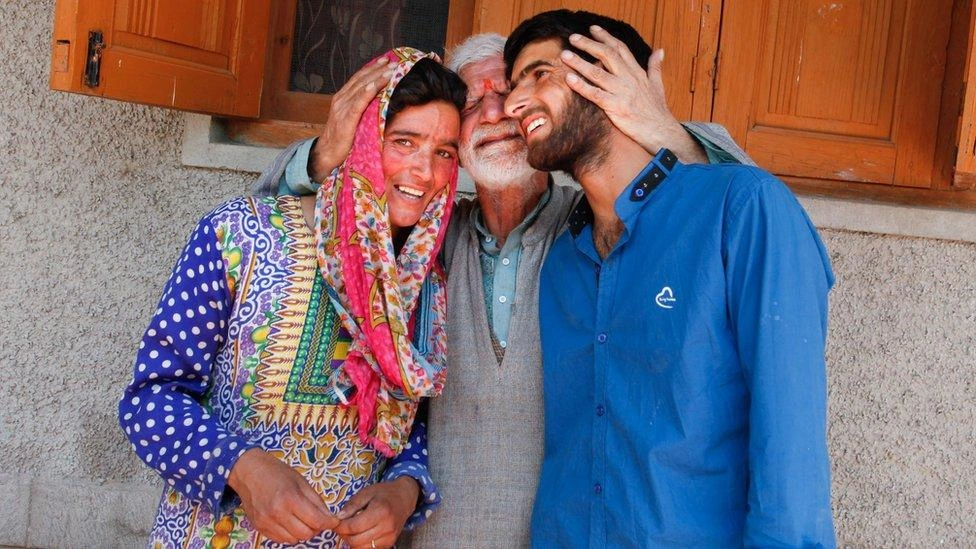
The Kashmir Files Kashmiri Pandits film released in 2022 brought renewed attention to the exodus of Kashmiri Pandits narrative. The Kashmir Files movie dramatized the Kashmiri Pandits exodus 1990 experience, reigniting public discourse on the Hindu exodus and Kashmir violence.
The Kashmir Files Kashmiri Pandits film sparked controversy and discussion about the Kashmiri Pandits history 1990, with debates about historical accuracy and representation. The Kashmir Files movie introduced younger generations to the forced migration Kashmiri Pandits history and the question of why did Kashmiri Pandits leave Kashmir.
Shikara Kashmiri Pandits Movie
The Shikara Kashmiri Pandits movie, released earlier, offered another cinematic exploration of the exodus Kashmir. The Shikara Kashmiri Pandits film focused on personal relationships amid the displacement crisis, providing a different perspective on the Kashmiri Pandits exodus 1990.
Both the Shikara Kashmiri Pandits and Kashmir Files Kashmiri Pandits film reflect ongoing cultural engagement with the Kashmiri Pandit migration from Kashmir Valley narrative and the experience of displaced Pandits.
Scholarly Documentation and Research
Academic Study of Kashmiri Pandits History 1990
The Kashmiri Pandits history 1990 has been extensively documented by academic historians, human rights organizations, government commissions, and survivor testimonies. Research on causes of Kashmiri Pandit exodus examines multiple dimensions:
- Pre-1990 demographic trends affecting Kashmiri Hindu population
- The accelerated Kashmiri Pandits exodus 1990
- Ongoing Kashmiri Pandit migration from Kashmir Valley through the 1990s-2000s
- Limited Kashmiri Pandits return to Kashmir in recent years
- Kashmiri Pandits diaspora formation and integration
This comprehensive view reveals the valley migration as a complex, multi-decade process rather than a single event, with ongoing implications for displaced Kashmiri Pandits rehabilitation.
Documentation of Kashmiri Pandits Migration Reasons Militancy
Scholarly work on Kashmiri Pandits migration reasons militancy examines the intersection of political upheaval, religious extremism, and communal violence. Understanding Kashmiri Pandits insurgency militancy requires analyzing:
- The rise of armed insurgency in Kashmir 1990
- Hizb-ul-Mujahideen Kashmiri Pandits threats and intimidation tactics
- Kashmiri Pandits death toll violence and targeting patterns
- Role of Kashmiri Pandits Jagmohan governor 1990 administration
- Broader causes of Kashmiri Pandit exodus beyond immediate triggers
The Human Dimension: Individual Kashmiri Pandits Stories
Personal Experiences of Displaced Pandits
Beyond statistics and politics, the exodus of Kashmiri Pandits represents individual tragedies and resilience among the Kashmiri Hindu community:
- Kashmiri Pandits families forced to abandon ancestral homes overnight
- Loss of cultural connections and religious sites for Kashmiri Hindu families
- Generational trauma affecting displaced Pandits communities
- Diaspora adaptation and success stories among Kashmiri Pandits
- Ongoing desire for homeland connection among Kashmiri Pandits still waiting to go back home
- Children of displaced Kashmiri Pandits growing up disconnected from the Kashmir Valley
The human experiences of Kashmiri Pandits reveal the personal costs of the mass exodus Kashmir 1990 beyond aggregate statistics and the ongoing reality of being Kashmiri Pandits still waiting to go back home.
International Recognition and Global Diaspora
Global Kashmiri Pandits Communities
The Kashmiri Pandits diaspora established communities globally following the exodus Kashmir:
- International Kashmiri Pandits organizations documenting the Kashmiri Hindu exodus January 1990
- Diaspora-funded cultural preservation initiatives for Kashmiri Hindu heritage
- Political advocacy at international forums by displaced Pandits
- Networking and cultural events maintaining Kashmiri Pandits identity
International Documentation of Hindu Exodus

International human rights organizations documented the Hindu minority displacement Kashmir:
- As a case study in forced migration Kashmiri Pandits history
- In discussions of communal violence and Hindu exodus
- In analyses of minority displacement and Kashmiri Pandits ethnic cleansing debates
- As historical precedent in regional conflicts involving Kashmir violence
Ongoing Challenges: Why Kashmiri Pandits Still Waiting to Go Back Home
Obstacles Preventing Kashmiri Pandits Return to Kashmir
Despite various Kashmiri Pandits rehabilitation package schemes and the Kashmiri Pandits return home rehabilitation scheme, significant obstacles prevent widespread Kashmiri Pandits return to Kashmir:
- Security Concerns: Ongoing militancy incidents creating fear among potential Kashmiri Pandits returnees
- Property Claims: Complex legal battles over Kashmiri Pandits property restoration
- Employment: Limited opportunities beyond Kashmiri Pandits government jobs Kashmir valley
- Community Fragmentation: Displaced Pandits spread across India and globally
- Psychological Barriers: Trauma from Kashmir violence affecting displaced Kashmiri Pandits
- Political Sensitivity: Kashmir’s contested status complicating Kashmiri Pandits return to Kashmir
- Infrastructure: Limited displaced Kashmiri Pandits rehabilitation infrastructure
These challenges explain why Kashmiri Pandits still waiting to go back home remain in significant numbers despite decades passing since the Kashmiri Hindu exodus January 1990.
Generational Dimensions of Valley Migration
A significant portion of current Kashmiri Pandits were born in refugee camp settings or diaspora locations after the exodus Kashmir. For these Kashmiri Pandits generations, the Kashmir Valley represents heritage rather than lived experience, complicating Kashmiri Pandits return to Kashmir narratives and displaced Kashmiri Pandits rehabilitation efforts.
Conclusion: The Enduring Legacy of Exodus of Kashmiri Pandits
The exodus of Kashmiri Pandits remains one of post-independence India’s most significant displacement crises. Whether termed Hindu exodus, Kashmiri Hindu forced migration, or analyzed through frameworks of Kashmiri Pandits ethnic cleansing, the Kashmiri Pandits exodus 1990 fundamentally altered Kashmir’s demographic, political, and cultural landscape.
More than three decades after the January 19 1990 Kashmiri Pandits trigger event, fundamental questions persist:
- How can genuine Kashmiri Pandits return to Kashmir be achieved?
- When will Kashmiri Pandits property restoration be adequately addressed?
- What form should Kashmiri Pandits rehabilitation package initiatives take?
- How can Kashmiri Pandits government jobs Kashmir valley combine with security improvements?
- Can the Kashmiri Pandit Sangharsh Samiti and Panun Kashmir Kashmiri Pandits achieve advocacy goals?
- Will the Kashmiri Pandits article 370 abrogation return context change outcomes?
- How many more years will Kashmiri Pandits still waiting to go back home face?
Key Lessons from Kashmiri Pandits History 1990
The Kashmiri Pandits history 1990 demonstrates:
- Communal Vulnerability: How minority communities like Kashmiri Hindu populations become vulnerable during political upheaval
- State Responsibility: The importance of state capacity in protecting Kashmiri Pandits and preventing forced migration Kashmiri Pandits history
- Long-term Consequences: How the mass exodus Kashmir 1990 creates multi-generational impacts
- Rehabilitation Complexity: The profound challenges in achieving displaced Kashmiri Pandits rehabilitation
- Historical Memory: How events like the Kashmiri Pandits exodus 1990 become embedded in collective identity
The Path Forward for Displaced Kashmiri Pandits Rehabilitation
Meaningful displaced Kashmiri Pandits rehabilitation requires:
- Comprehensive security guarantees for Kashmiri Pandits returnees
- Expedited Kashmiri Pandits property rights restoration processes
- Robust Kashmiri Pandits return home rehabilitation scheme implementation
- Expanded Kashmiri Pandits government jobs Kashmir valley beyond current offerings
- Community infrastructure supporting Kashmiri Pandits return to Kashmir
- Addressing trauma among displaced Pandits and Kashmiri Pandits still waiting to go back home
- Learning from failures in previous Kashmiri Pandits rehabilitation package attempts
The exodus of Kashmiri Pandits stands as a reminder of the profound human costs of communal violence, the complexity of Hindu minority displacement Kashmir, and the long, difficult journey from the Kashmiri Hindu exodus January 1990 through decades in refugee camp settings to potential Kashmiri Pandits return to Kashmir.
Understanding why did Kashmiri Pandits leave Kashmir, documenting Kashmiri Pandits death toll violence, acknowledging Kashmiri Pandits forced displacement, and working toward genuine displaced Kashmiri Pandits rehabilitation remains essential. Only through comprehensive efforts addressing security, Kashmiri Pandits property restoration, economic opportunity through Kashmiri Pandits government jobs Kashmir valley, and psychological healing can the situation of Kashmiri Pandits still waiting to go back home be meaningfully resolved.
The causes of Kashmiri Pandit exodus—from Kashmiri Pandits insurgency militancy and Hizb-ul-Mujahideen Kashmiri Pandits threats to administrative failures during the Kashmiri Pandits Jagmohan governor 1990 period—must be understood to prevent similar tragedies. The Kashmiri Pandit migration from Kashmir Valley represents not just historical study but ongoing human suffering requiring resolution.
As depicted in the Kashmir Files Kashmiri Pandits film and Shikara Kashmiri Pandits movie, as advocated by the Kashmiri Pandit Sangharsh Samiti and Panun Kashmir Kashmiri Pandits, and as evidenced by conditions in the Jagti migrant camp Kashmiri Pandits and other Kashmiri Pandits refugee camps Jammu, the exodus Kashmir crisis continues demanding attention, justice, and comprehensive Kashmiri Pandits rehabilitation package solutions.
The question of how many Kashmiri Pandits returned to Kashmir versus how many Kashmiri Pandits left Kashmir starkly illustrates the rehabilitation gap. Until the answer to how many Kashmiri Pandits returned to Kashmir approaches the numbers who participated in the mass exodus Kashmir 1990, the Kashmiri Pandits still waiting to go back home will continue representing unfinished business for Indian democracy and a painful legacy of the forced migration Kashmiri Pandits history.