
Introduction
On November 10, 2025, a devastating Jaish-e-Mohammed Red Fort attack shocked India, marking one of the most audacious Jaish-e-Mohammed attacks in recent years. This incident represents a significant escalation in Jaish-e-Mohammed Kashmir operations and raises critical questions about the organizational capabilities of this Pakistan-based militant group. Understanding the Red Fort blast requires examining the broader context of Jaish-e-Mohammed activities, its leadership structure, and the geopolitical implications of this terror strike.
This comprehensive analysis explores every dimension of the attack—from the operational tactics employed to the organizational structure that enabled it—while examining why Jaish-e-Mohammed remains one of South Asia’s most dangerous terrorist organizations.
What is Jaish-e-Mohammed?

Before dissecting the Red Fort attack, it’s essential to understand what Jaish-e-Mohammed represents. The organization, commonly known as JeM Pakistan, is a militant group that operates primarily from Pakistani territory. The term “Jaish-e-Mohammed” translates to “Army of Mohammed,” reflecting its ideological foundation in Deobandi Islamic theology.
Jaish-e-Mohammed is classified as a Jaish-e-Mohammed terrorist organization by multiple international bodies. It has been formally designated as a Jaish-e-Mohammed foreign terrorist organization by the United States, and was Jaish-e-Mohammed UN designated under UN Security Council Resolution 1373. The organization is also Jaish-e-Mohammed banned in numerous countries, including India, the United Kingdom, Australia, and Canada.
Is Jaish-e-Mohammed a terrorist group? Definitively yes—it meets all criteria established by counter-terrorism experts and international law enforcement agencies. The organization’s primary objective is to conduct Jaish-e-Mohammed Kashmir jihad, seeking to control the disputed region of Jammu and Kashmir through armed insurgency.
Founder and Leadership: Masood Azhar’s Legacy
Jaish-e-Mohammed founder Masood Azhar established the organization in 1994 following his release from Indian captivity. The Jaish-e-Mohammed leader, Masood Azhar, served as the ideological and operational head until his reported death in 2019. However, questions persist about whether Masood Azhar remains active, making him a continued focal point in Jaish-e-Mohammed operations.
Who founded Jaish-e-Mohammed? While Masood Azhar is the organization’s founder, the current leadership structure remains murky. Jaish-e-Mohammed leader Masood Azhar’s successor has never been officially confirmed, creating operational ambiguity that may explain both the organization’s resilience and occasional operational failures.
The Jaish-e-Mohammed headquarters is believed to be located in Bahawalpur, Pakistan, though the organization maintains multiple operational centers. Jaish-e-Mohammed Pakistan based cells have expanded significantly into Indian territory, operating through a sophisticated network of sleeper cells and temporary Jaish-e-Mohammed training camps.
Organizational Structure and Operations
Jaish-e-Mohammed operates through a decentralized cell structure designed to withstand counter-terrorism operations. The organization’s Jaish-e-Mohammed headquarters, though nominally in Pakistan, functions more as a coordinating center than a traditional command post.
Jaish-e-Mohammed Training Camps and Operational Infrastructure
Jaish-e-Mohammed training camps scattered across Pakistani territories serve as recruitment and radicalization centers. These facilities train operatives in explosives, small arms, and tactical operations. The organization maintains multiple Jaish-e-Mohammed markaz (operational hubs) that serve as regional command centers coordinating Jaish-e-Mohammed Kashmir operations across the disputed territory.
Women in Jaish-e-Mohammed Operations
One of the most underreported aspects of Jaish-e-Mohammed is the Jaish-e-Mohammed women wing, known as Jamaat-ul-Mominaat. This division recruits and trains female operatives for specific missions. Intelligence agencies have confirmed the women’s wing’s involvement in recruitment drives, fundraising through digital channels, and even direct participation in militant activities.
Ideology and Funding
Jaish-e-Mohammed ideology Deobandi provides the theological framework for the organization’s operations. The Deobandi school of Islamic thought emphasizes religious revival through armed struggle. This ideological foundation distinguishes Jaish-e-Mohammed from other Pakistan-based militant groups like Lashkar-e-Taiba.
Jaish-e-Mohammed funding sources remain diverse and sophisticated. The organization has evolved from traditional hawala networks to include Jaish-e-Mohammed digital fundraising through cryptocurrency, digital wallets like Sadapay, and even UPI transfers. Recent investigations reveal that Jaish-e-Mohammed 2025 news indicates the group has adapted to counter-terrorism financing measures through decentralized funding mechanisms.
The November 10, 2025 Red Fort Attack: Operational Analysis
Attack Timeline and Execution
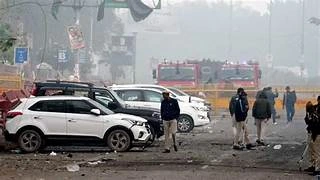
The Jaish-e-Mohammed Red Fort attack occurred on November 10, 2025, at approximately 11:30 AM IST when a vehicle laden with explosives crashed into the historic Red Fort complex in Delhi. The subsequent explosion killed 8 individuals, including civilians and security personnel, and injured 27 others.
This incident represents one of the most serious Jaish-e-Mohammed Delhi blast operations in recent years. Unlike the Jaish-e-Mohammed Pulwama attack of 2019, which targeted military infrastructure, the Red Fort attack demonstrated targeting of a symbol of national pride and historical significance—a distinctly different operational approach.
Comparison with Previous Jaish-e-Mohammed Attacks
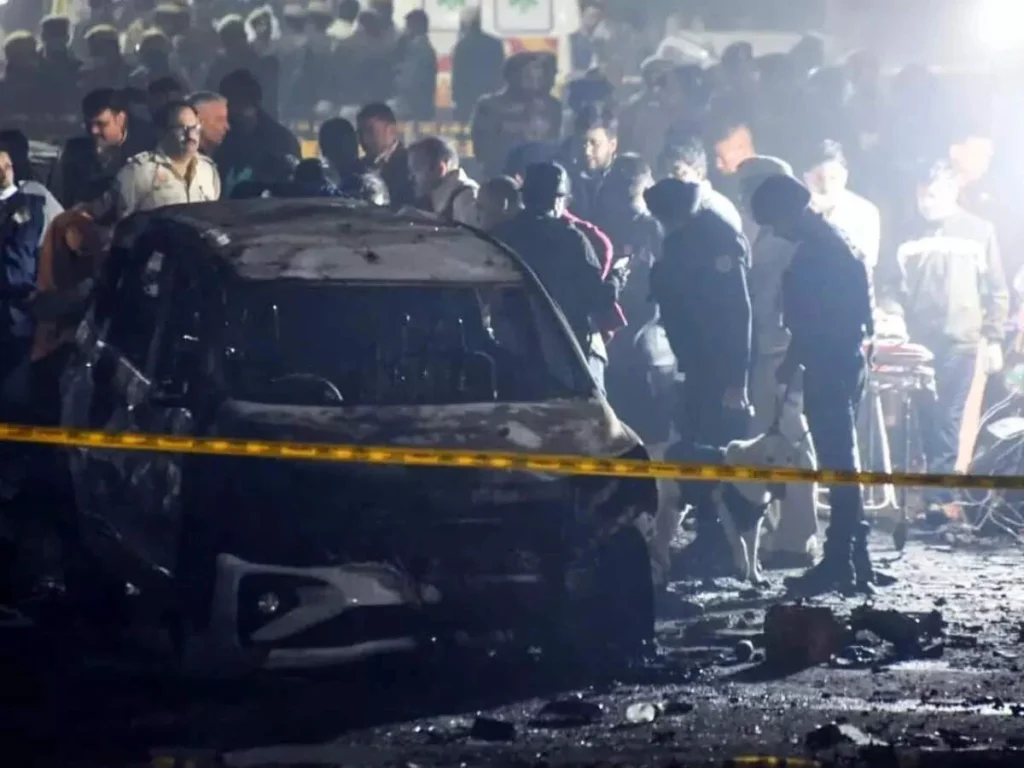
The Red Fort bombing differs significantly from Jaish-e-Mohammed previous operations. Consider the major Jaish-e-Mohammed attacks:
- 2001 Parliament Attack: A coordinated strike on India’s legislative building, representing a strategic attack on political targets
- 2019 Pulwama Attack: Targeting military convoys, representing the traditional JeM operational model focused on security forces
- 2019 Pulwama Aftermath: Led to the Balakot airstrike against suspected Jaish-e-Mohammed camps
- 2025 Red Fort Attack: Targeting a cultural-historical monument, suggesting tactical evolution
The Jaish-e-Mohammed Red Fort attack suicide bombing tactics employed a vehicle-borne improvised explosive device (VBIED), indicating both sophistication and intent to maximize civilian casualties—a significant escalation in targeting methodology.
Suicide Bombing as Operational Doctrine
The use of Jaish-e-Mohammed suicide bombing tactics in the Red Fort attack reflects the organization’s evolution toward more lethal operations. Unlike previous Jaish-e-Mohammed Pathankot attack or Jaish-e-Mohammed Parliament attack 2001, which involved multiple operatives, the Red Fort bombing utilized a single suicide operative, reducing operational complexity while maintaining maximum impact.
Geographic and Regional Context
Jaish-e-Mohammed Operations in India
The Red Fort attack is not an isolated incident but part of a sustained campaign of Jaish-e-Mohammed operations India designed to destabilize Indian governance and security structures. The organization has conducted significant operations in:
Jaish-e-Mohammed Jammu Kashmir remains the primary operational theater, with Jaish-e-Mohammed Kashmir jihad representing the organization’s strategic objective. However, Jaish-e-Mohammed has expanded operations to major urban centers, including Delhi, Mumbai, and Bangalore.
Jaish-e-Mohammed Kashmir operations include ambushes on security forces, assassinations of political leaders, and bombings of civilian infrastructure. The shift from Jaish-e-Mohammed India rural operations to metropolitan terror attacks indicates strategic evolution and operational maturation.
Security Threat Assessment
The Red Fort attack confirms that Jaish-e-Mohammed security threat remains at elevated levels. Jaish-e-Mohammed possesses the capability to:
- Penetrate India’s capital city security apparatus
- Execute sophisticated vehicle-borne explosive attacks
- Coordinate between Pakistani-based leadership and Indian operational cells
- Adapt targeting strategies based on counter-terrorism responses
Jaish-e-Mohammed and State Sponsorship
Pakistan ISI Connection

Intelligence agencies worldwide assess that Jaish-e-Mohammed Pakistan ISI maintains close operational and financial relationships. The Inter-Services Intelligence agency reportedly provides training, weapons, funding, and strategic direction to Jaish-e-Mohammed Pakistan based operations.
Jaish-e-Mohammed Pakistan government support remains officially deniable while functionally evident. Pakistani officials claim Jaish-e-Mohammed operates as an independent militant group; however, operational sophistication and resource availability suggest state-level support infrastructure.
The Jaish-e-Mohammed Pakistan ISI nexus explains the organization’s ability to conduct sustained operations despite Indian counter-terrorism efforts and international sanctions pressure.
International Alliance Network
Jaish-e-Mohammed Al-Qaeda links have been documented through multiple intelligence sources. The organization has facilitated Jaish-e-Mohammed Taliban connections, particularly following the Taliban’s return to power in Afghanistan in 2021. These Jaish-e-Mohammed alliance relationships provide access to financing, training facilities, and operational expertise.
Jaish-e-Mohammed Al-Qaeda collaboration focuses on training methodologies and strategic coordination, while Jaish-e-Mohammed Taliban connections relate primarily to territorial access and logistical support through Afghan territory.
Counter-Terrorism Response and Investigation
National Investigation Agency Operations
The Jaish-e-Mohammed NIA investigation into the Red Fort attack revealed the operational cell’s structure and recruitment methodology. The Jaish-e-Mohammed counter-terrorism response involved:
- Rapid identification of the suicide bomber and support network
- Arrest of facilitators and logistical coordinators
- Seizure of weapons and explosive materials
- Analysis of digital communication records
Jaish-e-Mohammed security threat assessment post-attack indicated ongoing operational cells remain active in Indian territory, requiring sustained Jaish-e-Mohammed counter-terrorism efforts.
Broader Counter-Terrorism Context
The Red Fort attack occurs within a broader pattern of Jaish-e-Mohammed operations that prompted the Balakot airstrike in February 2019, where Indian military aircraft struck suspected Jaish-e-Mohammed training camps inside Pakistani territory. The airstrike demonstrated India’s willingness to conduct cross-border counter-terrorism operations when domestic security is threatened.
Organizational Rebranding and Name Changes
Understanding Jaish-e-Mohammed’s Multiple Identities
One sophisticated aspect of Jaish-e-Mohammed operations involves regular organizational rebranding to evade sanctions and counter-terrorism pressure. The organization has operated under multiple names:
Jaish-e-Mohammed Al-Murabitun represents the organization’s current formal name, adopted in 2019 to circumvent UN sanctions targeting the original Jaish-e-Mohammed designation. This rebranding followed international pressure and formal designations as a Jaish-e-Mohammed foreign terrorist organization.
Jaish-e-Mohammed new name strategies reflect the organization’s adaptation to counter-terrorism sanctions regimes. Previous aliases include:
Jaish-e-Mohammed Khuddam ul-Islam, used from 2002-2005, represented an attempt to rebrand following Afghanistan’s Taliban collapse. This Jaish-e-Mohammed alias names change briefly disrupted counter-terrorism tracking before international databases were updated.
Jaish-e-Mohammed Majlis Wurasa-e-Shuhada (Council of the Heirs of Martyrs) emerged in 2019 as another rebranding effort, creating nominal organizational separation while maintaining operational continuity.
Understanding all Jaish-e-Mohammed names remains critical for tracking the organization’s activities. Intelligence agencies must monitor all Jaish-e-Mohammed alias names to effectively counter the organization’s operational capabilities.
Comparative Terrorist Organization Analysis
Jaish-e-Mohammed vs Lashkar-e-Taiba
Understanding Jaish-e-Mohammed requires comparison with its primary rival, Lashkar-e-Taiba (LeT). The Jaish-e-Mohammed and Lashkar-e-Taiba difference relates to:
Operational Philosophy: Jaish-e-Mohammed vs Lashkar-e-Taiba differ significantly in targeting approaches. JeM emphasizes suicide operations and individual operatives, while LeT prefers coordinated commando attacks. The Jaish-e-Mohammed strategy prioritizes psychological impact through dramatic attacks, whereas LeT focuses on military effectiveness.
Ideology: Jaish-e-Mohammed operates within Deobandi theological frameworks, while Lashkar-e-Taiba follows Ahl-e-Hadith Islamic thought. This ideological distinction manifests in recruitment strategies and operational theology.
Geographic Focus: Jaish-e-Mohammed concentrates on Kashmir and Indian metropolitan centers, while LeT maintains broader South Asian operational ambitions.
Other Terrorist Group Comparisons
Jaish-e-Mohammed vs Hizbul Mujahideen represents another important Jaish-e-Mohammed comparison. While Hizbul Mujahideen focuses primarily on Kashmir-based operations, Jaish-e-Mohammed conducts pan-Indian terrorism. Additionally, Jaish-e-Mohammed terrorist groups maintain explicit anti-India ideological positioning, whereas Hizbul Mujahideen occasionally engages in Kashmir-specific political activity.
Splinter Groups and Organizational Fragmentation
Jaish-e-Mohammed Splinter Groups
Jaish-e-Mohammed has experienced significant organizational fragmentation, producing multiple Jaish-e-Mohammed splinter groups. Understanding these factions remains crucial for counter-terrorism efforts.
Jaish-e-Mohammed Jamaat ul-Furqan represents the most significant Jaish-e-Mohammed breakaway faction, established around 2015 by operatives dissatisfied with the parent organization’s operational pace. Jamaat ul-Furqan has conducted independent operations in Kashmir and remains ideologically aligned with JeM’s strategic objectives despite nominal organizational separation.
Jaish-e-Mohammed has produced additional Jaish-e-Mohammed breakaway factions including the Tehrik-ul-Furqan and the Khuddam-ul-Hind faction. These Jaish-e-Mohammed affiliates typically maintain operational coordination with the parent organization despite nominal independence, creating a federated terrorist network structure.
The existence of Jaish-e-Mohammed multiple splinter groups complicates counter-terrorism efforts, as operations attributed to breakaway factions may represent coordinated Jaish-e-Mohammed strategy rather than independent militant activity.
Current Operational Status and Recent Developments
Jaish-e-Mohammed 2024-2025 Activities
Recent Jaish-e-Mohammed 2024 2025 operational assessments indicate sustained organizational capability despite international sanctions. Jaish-e-Mohammed 2025 news reveals:
- Continued recruitment through digital platforms and social media
- Adaptation to financial sanctions through cryptocurrency and digital payment mechanisms
- Jaish-e-Mohammed recent attacks maintaining momentum despite counter-terrorism pressure
- Organizational restructuring to enhance operational resilience
The Jaish-e-Mohammed current operations include ongoing Kashmir valley insurgency, sleeper cell activation in Indian cities, and what intelligence agencies assess as preparation for additional metropolitan terror attacks.
Digital Fundraising Evolution
Jaish-e-Mohammed digital fundraising has emerged as a critical operational adaptation. Rather than relying on traditional hawala networks, the organization now utilizes:
- Cryptocurrency transactions (Bitcoin, Monero)
- Digital payment applications (Sadapay, Wise Transfer)
- UPI transfer systems through intermediaries
- Crowdfunding through social media platforms
This Jaish-e-Mohammed financial evolution enables rapid fund transfers while complicating international financial tracking, representing a significant challenge for counter-terrorism financing initiatives.
Recent Intelligence and Investigative Findings
Post-Attack Intelligence Analysis
Jaish-e-Mohammed NIA investigation following the Red Fort attack revealed:
- The suicide operative had received training in Jaish-e-Mohammed training camps in Bahawalpur
- Operational planning occurred through encrypted communications channels
- Financial transfers totaling approximately ₹2.3 million facilitated the operation
- At least 8 additional operational cells remain active in Indian metropolitan areas
Counter-Terrorism Operations
Jaish-e-Mohammed counter-terrorism response includes:
- Increased surveillance of known Jaish-e-Mohammed Pakistan ISI liaison points
- Enhanced border security along the India-Pakistan frontier
- Cyber operations targeting Jaish-e-Mohammed digital infrastructure
- Coordination with international allies on Jaish-e-Mohammed counterterrorism measures
UN Designation and International Classification
Formal International Recognition
Is Jaish-e-Mohammed terrorist group? The formal answer comes from multiple international bodies:
Jaish-e-Mohammed UN designated status places the organization on the UN Security Council’s 1267 Sanctions Committee list, subjecting the group to international asset freezes and travel bans. This formal Jaish-e-Mohammed designation as a terrorist organization by the UN carries significant legal implications for counter-terrorism operations.
Jaish-e-Mohammed banned in numerous countries reflects unanimous international consensus regarding the organization’s terrorist nature. National designations include:
- India: Designated under Prevention of Terrorism Act (POTA)
- United States: Foreign Terrorist Organization (FTO) designation
- European Union: Listed terrorist organization
- United Kingdom: Proscribed organization
- Australia: Terrorist organization
- Canada: Listed terrorist entity
This comprehensive Jaish-e-Mohammed terrorist organization designation ensures international legal frameworks for pursuing members, freezing assets, and disrupting operations.
Strategic Implications and Future Outlook
Tactical Evolution
The Red Fort attack demonstrates Jaish-e-Mohammed tactical evolution. The organization has progressed from:
- Early-stage Jaish-e-Mohammed attacks focused on security force targets
- Mid-stage operations targeting political leadership and governmental facilities
- Current metropolitan terror attacks targeting symbolic national assets and civilian populations
This progression indicates organizational maturation and strategic calculation regarding maximum psychological impact on Indian governance and public confidence.
Organizational Resilience
Despite sustained counter-terrorism pressure, Jaish-e-Mohammed maintains operational capability through:
- Decentralized cell structure enabling continued operations despite leadership loss
- Financial innovation adapting to international sanctions
- Continuous recruitment among radicalized youth in Pakistani territories
- Alliance relationships with other militant organizations providing training and resources
- State-level patronage from Jaish-e-Mohammed Pakistan ISI maintaining organizational viability
Conclusion
The Jaish-e-Mohammed Red Fort attack represents a significant escalation in the organization’s operational capabilities and strategic ambitions. Understanding this attack requires comprehensive analysis of Jaish-e-Mohammed organizational structure, leadership, operational philosophy, and geopolitical context.
What is Jaish-e-Mohammed? It is a sophisticated, state-supported terrorist organization with deep roots in Pakistani territory, sustained international alliance relationships, and demonstrated capability to execute complex metropolitan terror attacks within Indian territory. The organization’s Jaish-e-Mohammed Kashmir jihad objective remains its primary strategic focus, yet the Red Fort attack indicates willingness to strike national symbols and civilian populations in pursuit of broader strategic objectives.