Published: December 19, 2025
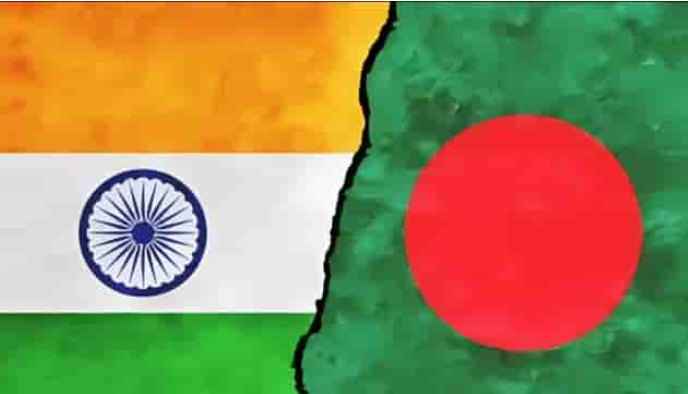
In a significant escalation of bilateral tensions, India has confronted unprecedented security challenges at its diplomatic missions across Bangladesh over the past 36 hours. The incidents, which include coordinated attempts to breach four Indian diplomatic facilities, have prompted immediate diplomatic responses and raised serious concerns about the safety environment in the neighboring nation.
The Incidents: A Timeline of Escalation
Beginning December 17 and continuing through December 18, 2025, extremist groups—primarily organized under the “July Oikya” (July Unity) banner—launched coordinated attempts to attack Indian diplomatic missions in multiple Bangladeshi cities.
The targeted facilities include:
- Indian High Commission in Dhaka – The primary diplomatic mission
- Indian Assistant High Commission in Rajshahi – Northwestern Bangladesh
- Indian Assistant High Commission in Khulna – Southwestern region
- Indian Assistant High Commission in Chittagong – Southeastern coastal city
According to reports, thousands of protesters participated in these demonstrations, with several marches attempting to breach security perimeters. Police and security forces managed to prevent direct assaults, though confrontations occurred at multiple locations.
Context: A Nation in Political Transition
These incidents cannot be viewed in isolation. They represent a culmination of tensions stemming from Bangladesh’s significant political upheaval. In August 2024, a student-led uprising resulted in the ousting of Prime Minister Sheikh Hasina, who subsequently fled to India. The political vacuum that followed has created an unstable environment where extremist elements have gained increasing influence.
The February 2026 elections are expected to be pivotal for Bangladesh political future. However, the current interim government, led by Chief Adviser Muhammad Yunus, faces mounting pressure to establish order and legitimacy.
Triggering Events
The recent escalation was precipitated by several interconnected incidents:
The Sharif Osman Hadi Shooting: A prominent right-wing youth leader and election candidate, Sharif Osman Hadi, was shot in the head in Dhaka on December 13. He was flown to Singapore for medical treatment but succumbed to his injuries on December 19. His death sparked massive protests across Bangladesh, with sections of the political establishment blaming India and accusing New Delhi of harboring those responsible.
Inflammatory Political Rhetoric: Political figures in Bangladesh, notably a 27-year-old leader, made provocative statements concerning India’s “Seven Sisters”—the northeastern states—and references to India’s strategic vulnerability through the Siliguri Corridor, often called the “Chicken’s Neck.” These remarks were widely interpreted as threatening India’s territorial integrity and regional security.
India’s Diplomatic Response
India’s Ministry of External Affairs responded swiftly and firmly:
Summoning of Bangladesh’s High Commissioner: On December 18, India summoned Bangladesh High Commissioner Riaz Hamidullah to formally convey New Delhi’s grave concerns. Joint Secretary B. Shyam, overseeing the Bangladesh-Myanmar division, lodged an official protest.
Safety Demands: India reminded Bangladesh of its obligations under the Vienna Convention on Diplomatic Relations to ensure the safety and security of foreign missions and their personnel. Officials emphasized that threats to Indian diplomatic premises are unacceptable and violate international law.
Closure of Visa Services: In a significant administrative measure, India temporarily shut down its Visa Application Centres (IVACs) in Bangladesh on December 18, with closures reported in Dhaka, Rajshahi, and Khulna due to escalating security concerns. However, operations resumed in Dhaka shortly after, though facilities in other locations remained closed.
Security Enhancement: India announced measures to heighten security around Bangladesh’s High Commission in New Delhi and assistant missions across the country, signaling the reciprocal nature of diplomatic concerns.
Indian Government’s Position
India has categorically rejected what its Ministry of External Affairs describes as a “false narrative” propagated by extremist elements in Bangladesh. Key points from India’s official statements include:
- India has never allowed its territory to be used for activities hostile to Bangladesh’s interests
- New Delhi continues to support free, fair, and credible elections in Bangladesh
- The interim government has failed to conduct thorough investigations or provide substantive evidence regarding recent incidents
- India expects Bangladesh to fulfill its diplomatic obligations
The Broader Regional Implications
These incidents highlight the deteriorating India-Bangladesh relationship, which had already been strained since Hasina’s departure. The tensions reflect deeper concerns:
Minority Protection: Multiple reports indicate widespread attacks on Hindu minorities in Bangladesh, with over 2,400 documented incidents through mid-2025. India has consistently raised these concerns with Bangladeshi authorities, though officials have often downplayed incidents as “political killings.”
Strategic Vulnerabilities: References to India’s northeastern states and the Siliguri Corridor underscore efforts by certain elements to exploit India’s geographical vulnerabilities, raising questions about regional security intentions.
Chinese Influence: Parallel concerns exist regarding China’s expanding presence in Bangladesh through infrastructure projects, including port expansions, airbase development merely 15 kilometers from the Indian border, and submarine base construction.
The Challenges Ahead
As Bangladesh moves toward elections in February 2026, several critical challenges remain:
Restoring Stability: The interim government must establish law and order and demonstrate its commitment to protecting diplomatic missions and foreign nationals.
Managing Bilateral Relations: Both nations must find a path toward normalized relations after months of escalating tensions.
Addressing Root Causes: Deeper issues—including minority rights, political stability, and governance—require substantive resolution.
Extradition Requests: The matter of Sheikh Hasina’s status in India and Bangladesh’s extradition requests remains sensitive and unresolved.
Conclusion
The coordinated attempts to breach Indian diplomatic missions in Bangladesh represent a serious escalation in regional tensions. While immediate security measures have prevented physical breaches, the incidents signal a concerning trend of political instability and extremist influence in Bangladesh. Both nations must engage in serious diplomatic dialogue to prevent further deterioration and to address the underlying political, security, and humanitarian concerns that have fueled recent tensions.
As international observers watch closely, the interim government’s capacity to restore order and fulfill its international obligations will be crucial not only for bilateral relations but for regional stability in South Asia.