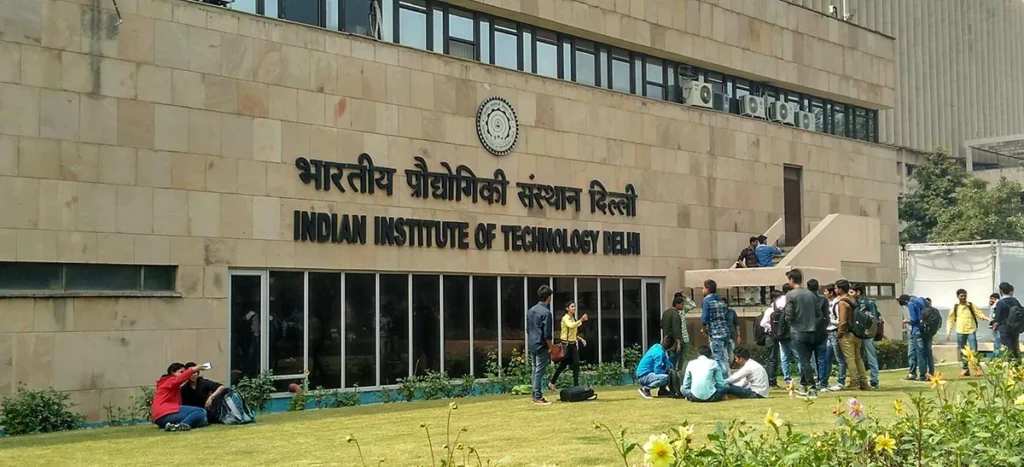
Innovation aims to provide affordable protection against dengue, malaria, and chikungunya
NEW DELHI — Researchers at the Indian Institute of Technology (IIT) Delhi have announced a breakthrough that could transform how millions of Indians protect themselves from mosquito-borne diseases. A team led by Professor Javed Nabibaksha Sheikh from the Department of Textile and Fibre Engineering has developed innovative mosquito-repellent detergents available in both powder and liquid forms.
The product combines everyday laundry care with disease prevention, embedding mosquito-repellent properties into fabrics during the washing process. The detergents maintain full wash-care effectiveness while adding a protective layer that deters mosquitoes from landing on treated textiles.
Addressing a Growing Public Health Crisis
India faces escalating challenges from mosquito-borne diseases. Cases of dengue, malaria, and chikungunya continue to rise, affecting millions and straining public health resources. Existing protective measures—including coils, sprays, lotions, creams, and patches—come with significant limitations.
“Many existing repellents are expensive or lose effectiveness over time,” Prof. Sheikh explained. “Topical formulations like creams and lotions may fade as the day progresses, increasing the risk of bites and associated diseases.”
The new detergent addresses these shortcomings by offering consistent, long-lasting protection integrated into a household product that families already use daily.
How It Works
The innovation capitalizes on a key understanding: mosquito proboscises can penetrate most fabric structures, making it crucial to prevent mosquitoes from landing on clothes in the first place.
When fabrics are washed with the IIT-developed detergent, active components bind to fiber surfaces, making textiles unattractive to mosquitoes. These active agents work on both the smell and taste sensors of mosquitoes, creating a natural deterrent.
Critically, the repellent properties regenerate with each wash. Every time families do laundry, they rebuild their mosquito defense shield, ensuring sustained protection without the need for reapplication.
Rigorous Testing Confirms Effectiveness
The products have undergone testing in commercial laboratories and demonstrated proven efficacy. Researchers employed a “hand-in-cage” test—a widely accepted entomological method—where volunteers placed their hands, covered with fabric samples, into enclosures containing starved mosquitoes.
The results were striking: fabrics washed with IIT’s detergent showed significantly fewer mosquito landings compared to untreated textiles.
Path to Market
IIT Delhi has filed a patent application for the formulation, marking formal progress toward commercialization. The research team has noted that the product is currently in the technology transfer stage, with expectations that it could reach consumers within the next few months.
Once available, the product could enter mainstream markets alongside regular detergents, eliminating the need for separate topical repellents or specialized protective devices—particularly beneficial for low and middle-income households in high-transmission regions.
Bridging Accessibility Gaps
Prof. Sheikh emphasized that affordability and accessibility were central to the project’s motivation.
“We thought of detergent because every family uses it,” he noted. “Now it can also protect against mosquito bites. We wanted to develop an affordable, widely-used product that protects families from mosquito bites.”
With the project consuming three years of development work involving M.Tech students and researchers, the team has focused equally on safety and effectiveness, ensuring the product maintains the cleaning performance families expect while delivering disease prevention benefits.
As India’s mosquito-borne disease burden continues to grow, this innovation represents a practical step toward integrating disease prevention into daily household routines—turning ordinary laundry into a powerful public health tool.
IIT Delhi’s mosquito-repellent detergents represent collaboration between the Department of Textile and Fibre Engineering and commercial testing laboratories. The technology is expected to be available commercially in the coming months.