Introduction
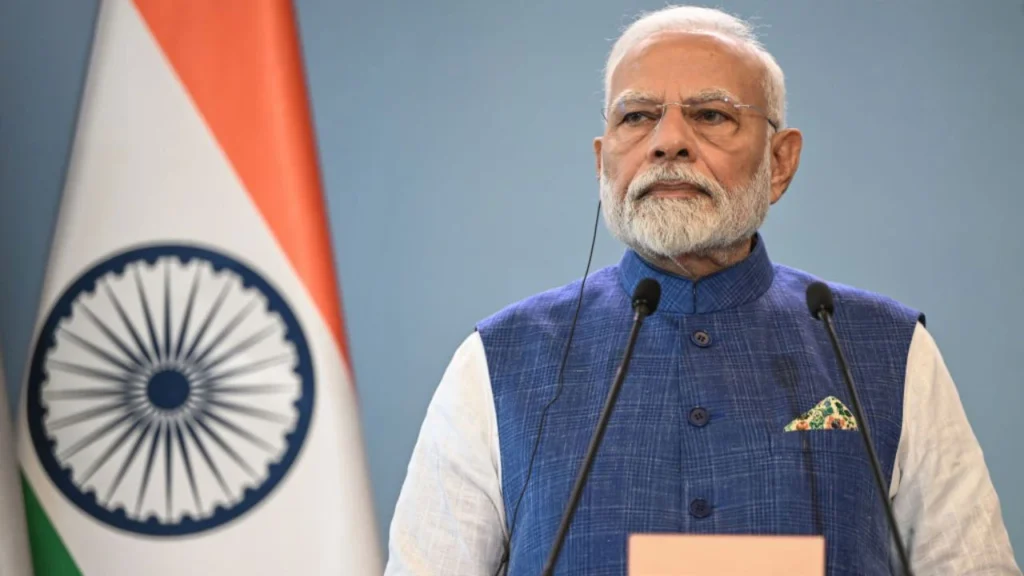
The translation for Beti Bachao Beti Padhao is save the daughter, educate the daughter. The initiative is designed for the declining child sex ratio and aims to educate girls. The initiative was launched by Minister of India Narendra Modi on January 22, 2015 while visiting Panipat, Haryana. The initiative is a flagship program and has become integral to promoting \gender equality and the empowerment of women across the country. \
Understanding the Need for Beti Bachao Beti Padhao
The disbusement of funds towards the initiative responds to the long history of discriminating against women and/or girls. The 2011 Census showcased an alarming number of child sex ratios (0-6 Years) as being 918 girls for every 1,000 boys. The alarming ratio verified the criticism around social bias, sex selective abortions, and the overall devaluation of girls and women.
The challenges of survival and the challenges of empowerment of girl children as the initiative is designed to respond to dual challenges. The approaches, however, are framed in multiple constructs as exemplified.
Key Objectives of the Scheme
Beti Bachao Beti Padhao scheme has to accomplish three objectives to bring about effective change.
Elimination of Gender-Biased Sex Selection: In the context of female foeticide, the scheme focuses on the implementation of the PCPNDT Act and educating the masses about the legal actions for sex determination through raids at sonography centres and other such diagnostic centres.
Survival and Protection of the Girl Child: Once born, the scheme further strives for the protection of the girl child from infanticide, child marriage, and other forms of violence and discrimination, and through nutrition and healthcare so that the girl child can grow and live.
Education and Participation Education is promoted as a means of empowerment. The scheme strives to motivate the families to educate their daughters and facilitate girls’ admission and retention in schools, especially at the secondary and higher secondary levels.
Implementation Strategy
Beti Bachao Beti Padhao runs on a partnership model with different ministries, including the Ministry of Women and Child Development, the Ministry of Health and Family Welfare, and the Ministry of Education (earlier HRD). The initiatives are rolled out in all the states and union territories, with special attention to the high- focus/low-performing 640 districts on child sex ratios.
The activities include awareness-building at all levels, community mobilization, advocacy, and training, and are supplemented with mass media and other communication strategies. Local administrations are free to adopt any best practices that are culturally aligned with the program, provided they adhere to the program’s core values.
Impact and Achievements
Beti Bachao Beti Padhao has provided significant and positive improvements since its inception. Many districts that were previously identified as critical now report improvements in the child sex ratio. More families now celebrate the birth of a girl child instead of being sentimentally opposed to the idea.
The secondary school girl enrollment ratio, along with participation in college and vocational training, has equally improved. The initiatives and activities in the zone of intervention have also led to a drop in child marriages and an improved health status of the adolescent girl.
Public opinion has slowly been changing, and communities are more and more viewing girls as assets rather than liabilities. Campaigns such as the “Selfie with Daughter” campaign, which promotes positive messaging and pride in having daughters, have achieved great success and gone viral.
Challenges and the Road Ahead
While much has been achieved, there are still many obstacles to overcome to achieve full gender equality. The patriarchal mindset and the preference for sons persists, particularly in certain regions and communities. The educational needs of girls, especially in rural and remote areas, are still not being adequately addressed. The need for greater enforcement of legislation restricting sex-selective practices remains.
Economic concerns, such as dowry and other financial pressures, continue to impact family planning. It also continues to be a challenge ensuring that educated girls are able to participate fully in the workforce and assume positions of leadership.
How Society Can Contribute
To create an equitable society, everyone must contribute, not just the government. Families have a part to play by celebrating the birth of daughters, giving daughters the same educational and extracurricular opportunities as sons, and by instilling respect for women in sons.
Discrimination must be challenged in all its forms. Communities are encouraged to advocate for girls to receive scholarships and mentorship, and to have a safe environment where they can learn and grow. Schools and universities are called to develop a curriculum that is sensitive to the needs of women and girls, to prevent discrimination and harassment, and to support girls in STEM and leadership.
The positive involvement of businesses can be seen through adoption of women-friendly policies, equitable pay and opportunities, career development through mentoring and supportive flexible work policies.
Success Stories That Inspire
There are numerous such inspiring success examples in every part of the country, including the examples of villages that young girls are now studying engineering and medicine and communities which have wholly dismantled systems of child marriage, thanks to Beti Bachao Beti Padhao.
The remarkable positive shifts in attitudes towards girls in certain Districts, such as Panipat in Haryana, which once had the lowest sex ratios, are to be commended. Beneficiaries of the scheme, girls from the marginalized communities, have assumed leadership roles and transcended barriers in sports, the sciences, the arts, and public service.
Conclusion
Beti Bachao Beti Padhao is not merely a government scheme: it is a promise of an India to come, where every girl is a promise, every girl is a vision, every girl is a protected and empowered person in full possession of her rights. It is a vision of recognition where As the level of development in a nation is commensurate to the level of status, rights and opportunities extended to women.
Looking ahead, achieving the vision highly relies on the unwavering dedication of all involved—public, private, civil, families, and individuals. Ensuring all daughters are rescued, educated, and given the power of choice is an investment in lives, and more importantly, the future of the country.
The long walk to gender parity continues. We have great achievements to speak of, but the road ahead is still long. Each educated girl is a potential change agent who transforms communities, ending the scourge of poverty and discrimination, and strengthening the country’s foundations. The message is clear: by saving and educating our daughters, we safeguard the future of our societies.