IndiGo Cancellations Create Nationwide Travel Disruption
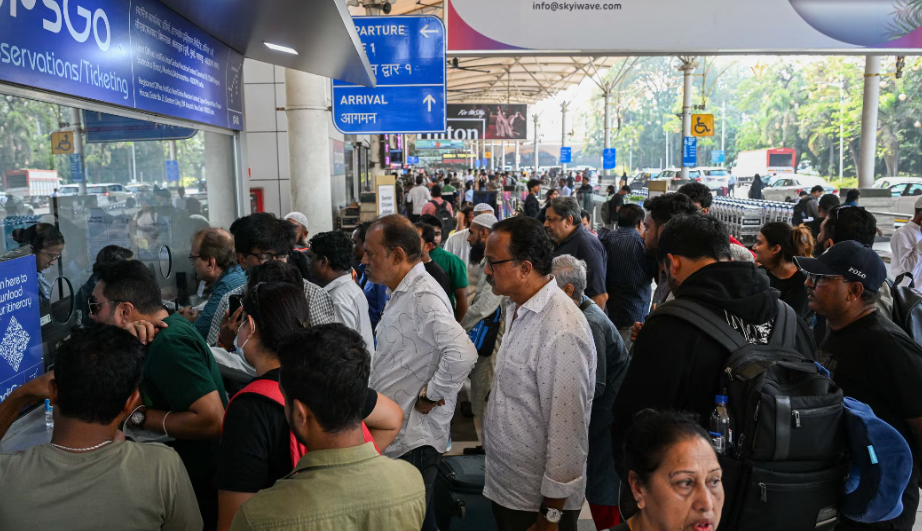
India’s largest airline IndiGo Cancellations has plunged into an unprecedented operational crisis, cancelling over 470 flights across India today, extending a wave of disruptions that has left thousands of passengers stranded at major airports throughout the country. The scale of the crisis became evident when over 1,000 flight cancellations were recorded on a single day, marking the worst operational collapse in the airline’s history.
Flight Duty Time Limitations at the Heart of Crisis
The primary cause behind the massive flight cancellations stems from the implementation of revised Flight Duty Time Limitations (FDTL) norms by the Directorate General of Civil Aviation (DGCA). These new regulations, announced in January 2024 and implemented in phases starting July, were designed to combat pilot fatigue and improve aviation safety standards. The second phase of FDTL norms, which came into effect on November 1, introduced stricter restrictions on pilot working hours and night operations.
The FDTL rules now cap flying time at 8 hours per day, 35 hours per week, 125 hours per month, and 1,000 hours annually. Pilots must receive mandatory rest periods equal to twice their flight duty duration, with a minimum of 10 hours rest in any 24-hour window. Night landings have been restricted to just two per week instead of the previous six, significantly impacting airlines that operate extensive overnight services.
Acute Crew Shortage and Planning Failures
IndiGo saw more than 1,200 flight cancellations in November, with 61% directly attributed to FDTL issues. According to IndiGo’s submission to the DGCA, the airline misjudged crew requirements during the rollout of the second phase. The carrier needed 2,357 captains and 2,194 first officers in December, representing a significant jump from earlier projections.
Industry experts and pilot associations have criticized IndiGo’s preparation strategy. The airline added more flights to its winter schedule—approximately 15,014 domestic departures per week—but made little effort to recruit additional pilots or crew. This operational mismatch, combined with a lean manpower strategy and hiring freeze, created the perfect storm for the current crisis.
Airport Chaos and Passenger Impact
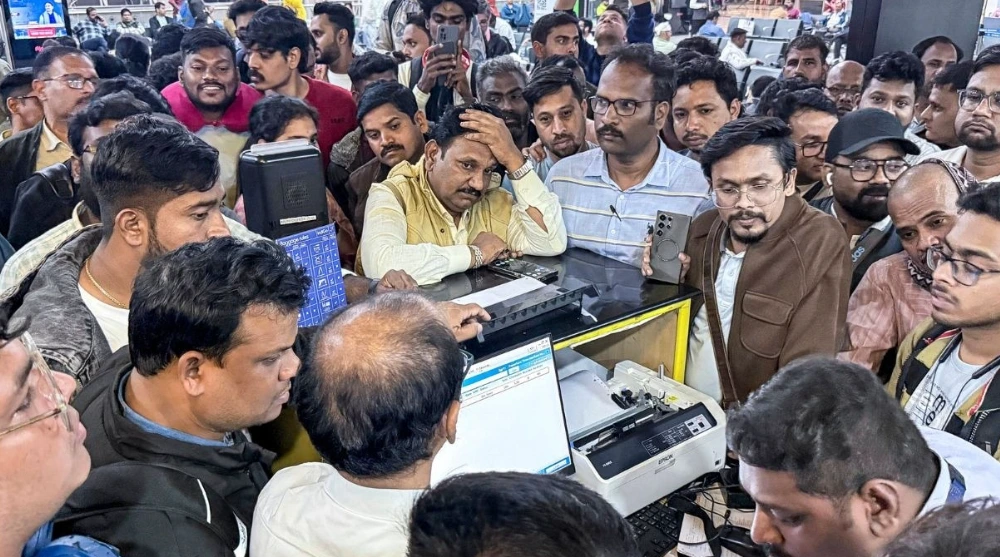
The disruption has severely affected major airports across India. On December 4, over 170 IndiGo flights were cancelled in a single day, with Bengaluru airport alone confirming 73 cancellations and at least 68 flights cancelled from and to Hyderabad. Delhi, Mumbai, Kolkata, and other metropolitan airports witnessed long queues, distressed passengers, and operational congestion.
IndiGo’s on-time performance (OTP) plummeted from above 80% in October to around 35% on December 2, the lowest among Indian carriers. Videos circulating on social media showed frustrated travelers demanding answers at airline counters, with many complaining about missed connections, unavailable accommodation, and poor communication from ground staff.
DGCA Investigation and Government Response

The Directorate General of Civil Aviation has launched a high-level investigation into the operational breakdown. DGCA has issued strict instructions requiring IndiGo to submit progress reports every 15 days on crew availability, punctuality, and roster stability. Civil Aviation Minister K Rammohan Naidu expressed dissatisfaction with how IndiGo handled the FDTL transition despite having ample time for preparation.
IndiGo CEO Pieter Elbers acknowledged the severity of the situation in a video message, stating that “full operational recovery is expected to take five to ten days, with gradual normalisation of services anticipated between December 10 and 15”. However, the airline told DGCA that complete operational stability may not return until February 2026.
Passenger Relief Measures
IndiGo has announced several relief measures for affected passengers. Passengers with bookings between December 5 and 15 can cancel or reschedule flights without any charges, with full refunds being processed automatically. The airline is offering credit shells for future travel and has enhanced customer support communication through messages and social media updates.
Indian Railways Responds with Major Capacity Enhancement
In response to the aviation crisis and stranded passengers, Indian Railways has implemented swift measures to absorb the increased travel demand, demonstrating the critical importance of rail infrastructure during transportation emergencies.
116 Extra Coaches Added to 37 Premium Trains
Indian Railways has added 116 additional coaches across 37 premium trains, covering 114 extra trips nationwide. This emergency capacity expansion represents a coordinated effort across multiple railway zones to provide alternative travel options for thousands of passengers affected by flight cancellations.
Zone-Wise Coach Augmentation Details
Southern Railway has carried out the most extensive upgrades, enhancing capacity in 18 major trains by adding extra Chair Car and Sleeper Class coaches. These reinforcements, effective from December 6, substantially expand passenger capacity in the southern corridors, ensuring travelers experience comfort even during peak demand periods.
Northern Railway has augmented eight key trains with additional Third AC and Chair Car coaches. These additions improve availability on heavily travelled northern routes connecting the capital with neighboring regions. The enhanced services on Delhi-bound corridors address the critical Bihar-Delhi passenger traffic.
Eastern Railway has strengthened three key trains with extra Sleeper Class coaches, covering six trips between December 7-8. This targeted expansion meets rising regional and inter-state travel demand in the eastern zone, where passenger movement has intensified following the flight disruptions.
Western Railway has expanded capacity in four major trains by attaching additional 3AC and 2AC coaches. These upgrades support strong passenger movement between western states and the national capital, particularly on high-density routes.
East Central Railway has augmented the Rajendra Nagar-New Delhi (12309) service with extra 2AC coaches over five trips from December 6-10. This enhancement caters to heavy traffic between Bihar and the national capital.
East Coast Railway has increased accommodation on Bhubaneswar-New Delhi routes (trains 20817, 20811, and 20823) by adding 2AC coaches across five trips, elevating connectivity between Odisha and Delhi.
Northeast Frontier Railway has augmented two vital trains with 3AC and Sleeper coaches over eight trips each from December 6-13, ensuring uninterrupted connectivity in the Northeast region.
Special Train Services
Beyond regular augmentations, Indian Railways is operating four special train services to further ease passenger movement:
- Gorakhpur-Anand Vihar Terminal Superfast Special
- New Delhi-Tushar Mahajan Vande Bharat Special
- New Delhi-Mumbai Central Superfast Special
- Hazrat Nizamuddin-Thiruvananthapuram Central Reserved Superfast Special
These specially commissioned services provide critical long-distance connectivity during the aviation crisis, offering reliable alternatives for stranded travelers.
Long-Term Railway Capacity Expansion Programs
The current crisis has highlighted the strategic importance of railway infrastructure. Indian Railways has been systematically expanding its non-AC coach fleet with ambitious manufacturing programs. Over the fiscal years 2024-25 and 2025-26, Indian Railways plans to manufacture 10,000 new non-AC coaches, representing a 22% increase in the total non-AC coach fleet.
This expansion includes 2,605 general seating coaches in 2024-25 and 2,710 in 2025-26, along with 1,470 non-AC sleeper coaches in 2024-25 and 1,910 in the following year. Additionally, 323 Sitting-cum-Luggage Rake (SLR) coaches will be added in 2024-25 and 514 in 2025-26.
Modern LHB Coach Technology
The railway expansion emphasizes technologically superior Linke Hofmann Busch (LHB) coaches, which offer enhanced safety features including anti-telescopic structure, air suspension systems, and improved passenger capacity. LHB coaches provide around 80 seating capacity compared to conventional ICF coaches which have only 72 seats, increasing accommodation by 8 passengers per coach.
More than 43,495 LHB coaches have been manufactured till December 2024, with all conventional ICF rakes planned for replacement in phases. These modern coaches feature better riding comfort, improved aesthetics, lightweight design, and anti-climbing arrangements for enhanced collision safety.
Broader Implications for Indian Transportation
Aviation Industry Lessons
The IndiGo crisis has exposed critical vulnerabilities in airline planning and crew management strategies. Despite having nearly two years’ notice about FDTL implementation, the airline’s lean manpower approach and aggressive scheduling proved incompatible with enhanced safety regulations. The Federation of Indian Pilots and Air Line Pilots Association have called this a “predictable outcome” of poor resource planning.
Industry analysts believe the disruption is avoidable and temporary if IndiGo immediately scales back aggressive scheduling. The airline’s model, built on maximizing aircraft utilization and minimizing downtime, made it especially vulnerable to stricter crew rest requirements.
Railway Infrastructure as Safety Net
The swift railway response demonstrates the critical importance of robust multi-modal transportation infrastructure. When air travel faces disruptions due to operational failures, weather events, or regulatory changes, railways provide essential backup capacity. The coordinated augmentation across seven railway zones shows institutional readiness to handle emergency situations.
The permanent addition of coaches to existing trains has been substantial: 983 coaches were added on permanent basis in 2024-25 (till February) and 872 in 2023-24. This continuous capacity enhancement ensures the railway network can absorb sudden demand surges from disruptions in other transport modes.
Safety Regulations and Industry Adaptation
The FDTL norms align India with international aviation safety standards, addressing long-standing concerns about pilot fatigue. While the implementation has created short-term disruption, these regulations are essential for long-term aviation safety. The challenge lies in ensuring airlines adequately prepare for regulatory changes rather than seeking repeated postponements.
The contrast between IndiGo’s struggles and other carriers’ smoother transitions highlights that FDTL compliance doesn’t inherently require massive pilot increases—it demands better crew roster management and realistic scheduling. Airlines that proactively reorganized operations have managed the transition with minimal passenger impact.
Passenger Advisory and Travel Recommendations
For Air Travelers
- Flight Status Verification: Check real-time flight status before departing for the airport using IndiGo’s live flight tracker
- Flexible Booking: Take advantage of free cancellation and rescheduling options for bookings between December 5-15
- Refund Processing: Full refunds are automatically processed for cancelled flights during this period
- Alternative Airlines: Consider booking with other carriers, though surge pricing has been reported
- Documentation: Keep all booking confirmations and communication from the airline for refund claims
For Railway Passengers
- Enhanced Capacity: Benefit from the 116 additional coaches across 37 trains providing increased accommodation
- Special Services: Utilize the four special train services operating specifically to absorb displaced air travelers
- Advance Booking: Book early as railway berths may experience higher demand during the aviation crisis
- Route Alternatives: Explore augmented trains on your preferred routes across all zones
- Real-Time Updates: Monitor railway announcements for additional coach additions and service updates
Economic and Operational Impact
The crisis has significant economic implications. IndiGo operates more than 2,200 domestic and international flights daily, making it India’s largest airline with dominant market share. The cancellation of over 1,000 flights in a single day affects not just passenger convenience but also business travel, cargo operations, and tourism sectors.
Airport congestion at Delhi’s Indira Gandhi International Airport and other hubs has created cascading delays across the network. Ground handling staff shortages, inadequate passenger communication systems, and overwhelmed customer service counters have compounded the operational challenges.
The competitive landscape has shifted temporarily, with other carriers experiencing booking surges and implementing dynamic pricing. However, the reliance on IndiGo for affordable air connectivity means alternatives remain limited for most passengers, particularly on tier-2 and tier-3 city routes.
Looking Forward: Recovery Timeline and Systemic Changes
IndiGo’s recovery timeline spans several phases:
- Immediate (December 6-10): Gradual reduction in cancellations from over 1,000 to below targeted levels
- Near-term (December 10-15): Return to normal flight schedules with improved OTP
- Medium-term (January-February 2026): Complete roster stabilization and full FDTL compliance
- Long-term: Permanent crew expansion and scheduling optimization
Railway capacity enhancements will continue beyond the immediate crisis response. The manufacturing of 10,000 non-AC coaches over two years will fundamentally transform the railway network’s ability to handle passenger demand across all economic segments. The introduction of Amrit Bharat trains with 12 sleeper class and 8 general class coaches represents a new standard in affordable, modern rail travel.
Conclusion
The concurrent IndiGo flight cancellation crisis and Indian Railways’ capacity expansion highlight the interconnected nature of India’s transportation infrastructure. While aviation faces short-term challenges from necessary safety regulations and operational missteps, the railway network demonstrates remarkable flexibility and responsiveness in absorbing displaced travelers.
The aviation industry must learn from this crisis to better prepare for regulatory transitions, prioritize crew welfare alongside operational efficiency, and maintain realistic scheduling practices. Simultaneously, continued investment in railway infrastructure, including modern coach manufacturing, permanent capacity additions, and service quality improvements, ensures India has resilient multi-modal transportation capable of handling disruptions.
For passengers, the crisis underscores the importance of flexible travel planning, early booking, and awareness of alternative transportation options. The Indian Railways’ swift response—adding 116 coaches to 37 premium trains—provides immediate relief while highlighting the strategic value of robust rail infrastructure as the backbone of national connectivity.
As India’s transportation sector evolves with growing demand, regulatory maturation, and technological advancement, the lessons from December 2024’s aviation-railway coordination will shape future crisis management and infrastructure planning strategies across both modes of transport.
Also Read–