Understanding Article 370 in Simple Words
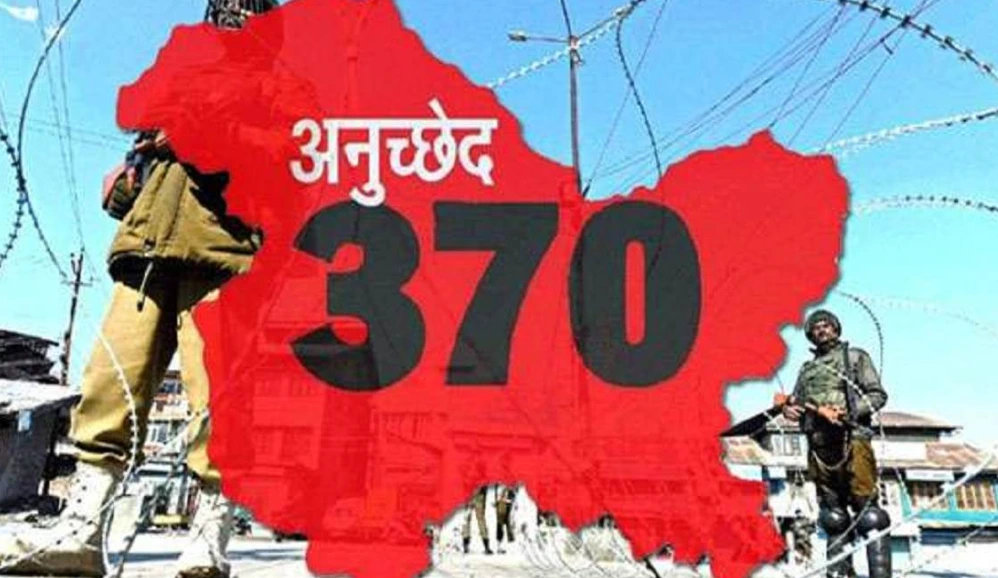
Article 370 of the Indian Constitution was a unique provision that granted special autonomous status to the state of Jammu and Kashmir. This constitutional article, which defined how Kashmir would integrate into the Indian Union, remained one of India’s most debated political issues for over seven decades. Understanding what is Article 370 requires examining its historical origins, constitutional framework, and profound implications for the region.
The Origin and History of Article 370
Article 370 origin traces back to 1947 when India gained independence. The Instrument of Accession Kashmir was signed by Maharaja Hari Singh, the ruling prince of Jammu and Kashmir, on October 26, 1947. This historical moment established the foundation for Kashmir’s relationship with India.
Article 370 1949 was formally incorporated into the Indian Constitution during the drafting process. The provision emerged primarily due to the efforts of Nehru Article 370, as Prime Minister Jawaharlal Nehru supported granting Kashmir special constitutional protections. This decision reflected the unique political circumstances surrounding Kashmir’s accession to India during partition.
The role of Sheikh Abdullah Article 370 was equally significant. Abdullah, the most influential political leader in Kashmir at that time, advocated for the region’s special status within the Indian framework. The constitutional provision was designed as a temporary provision Article 370, intended to be reviewed or modified as circumstances evolved.
What is Article 370 of the Indian Constitution?
Article 370 meaning encompasses several key aspects. The article was essentially a constitutional mechanism that made most provisions of the Indian Constitution inapplicable to Jammu and Kashmir. This meant that the state could frame its own constitution, known as the Jammu Kashmir Constitution, with only defense, foreign affairs, and communications matters falling directly under central government control.
Article 370 of Indian Constitution functioning included several critical components:
Article 370 Constitutional Provisions
The Article 370 constitutional provisions were extensive and unique:
- Part XXI Indian Constitution exclusively dealt with temporary provisions for Kashmir
- The provision granted the state power to define its own permanent resident status
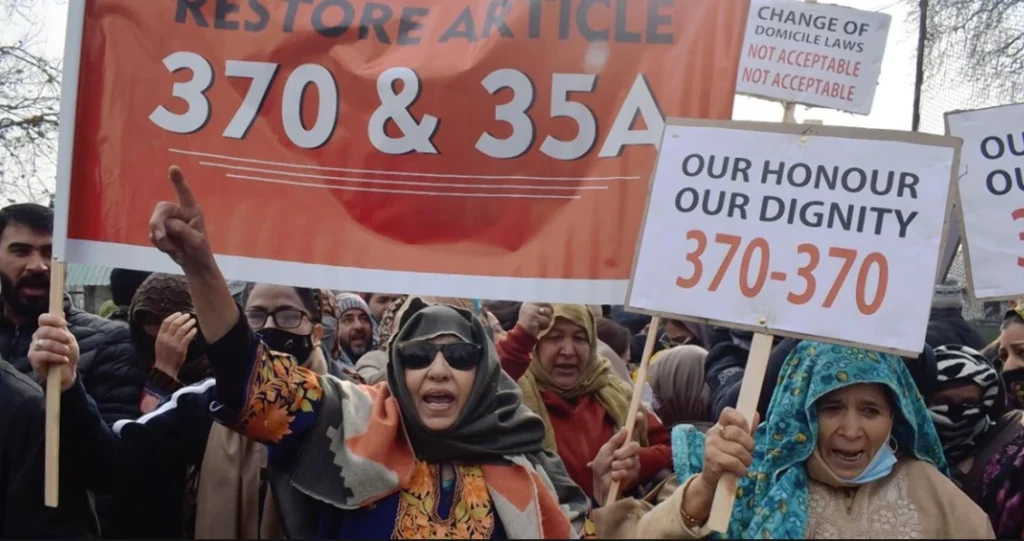
- Article 35A, closely related to Article 370 and 35A, extended special rights to permanent residents of Kashmir
- The state maintained its own constitution separate from the rest of India
Understanding Article 370 and Article 35A
The distinction between Article 370 and Article 35A difference is crucial for understanding Kashmir’s special status. While Article 370 governed the state’s autonomous constitutional relationship with India, Article 35A specifically protected the permanent resident status and property rights of Kashmiri residents.
Article 370 Supreme Court and Legal Framework
Throughout India’s constitutional history, Article 370 legal implications were extensively debated in courts. The Article 370 Supreme Court examined multiple challenges to the provision, but the article remained constitutionally valid. The Article 370 constitutional validity was repeatedly upheld, establishing strong precedent.
Constitutional Amendment and Presidential Order
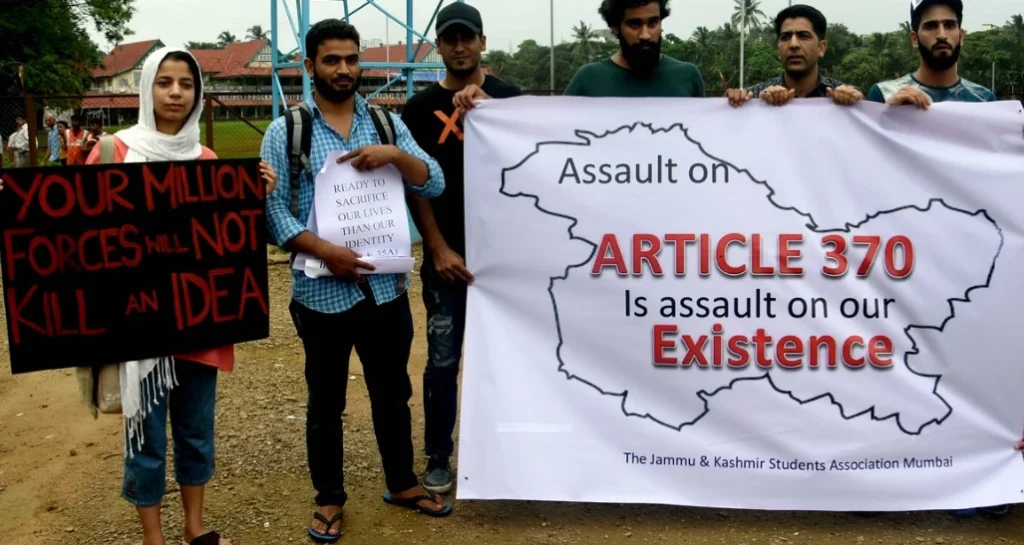
The implementation of Article 370 constitutional amendment was facilitated through Article 370 Presidential Order, specifically known as CO 272 Article 370. This presidential order suspended or modified various constitutional provisions applicable to Kashmir.
Understanding Article 370 clause 3 is essential, as this clause granted the President of India the power to suspend or modify the article. The Article 370 Rajya Sabha approved this arrangement, and subsequent Article 370 parliament debate discussions focused on the implications of this unprecedented autonomy.
Why Article 370 Was Controversial
Several factors explain why Article 370 was controversial:
- Why Article 370 was abolished: Critics argued the special status hindered Kashmir’s integration with India
- Article 370 constitutional validity was continuously questioned by political opponents
- The provision created ambiguity regarding central government authority
- Kashmir constitution abolished concerns arose regarding the state’s separate constitutional framework
Article 370 5 August 2019: The Historic Abrogation
When Was Article 370 Removed?
When was Article 370 removed is one of the most significant questions in contemporary Indian politics. On August 5, 2019, the Indian government made the historic decision to revoke the special status.
Article 370 5 August 2019 marked a watershed moment when:
- The Article 370 removal was announced by then Home Minister Amit Shah
- Why was Article 370 removed centered on arguments about national integration and development
- The Article 370 abrogation date officially terminated decades of special constitutional status
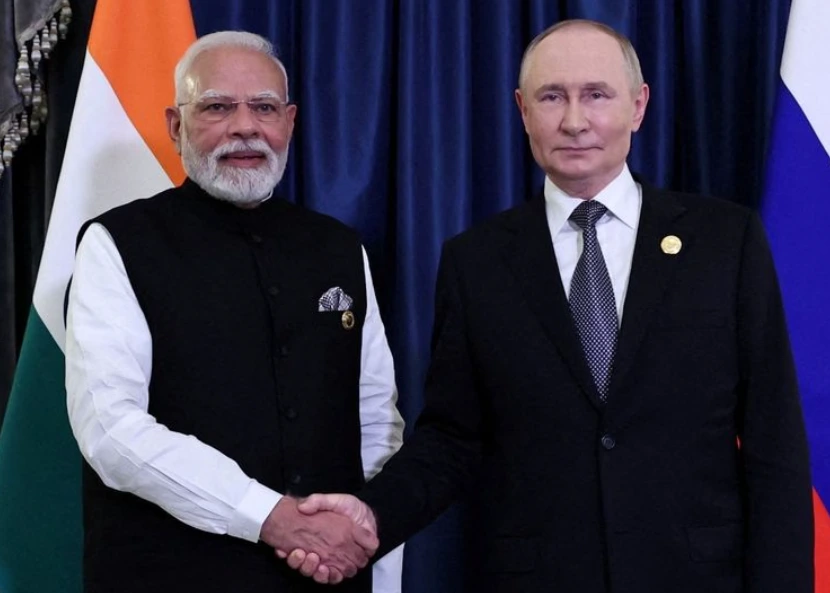
- Who removed Article 370: The Narendra Modi government, under PM Modi’s leadership, implemented this decision
How Article 370 Was Abrogated
How Article 370 was abrogated involved several constitutional steps:
- Article 370 Presidential Order formally suspended the provision
- Amit Shah Article 370 announcement detailed the constitutional mechanism
- Narendra Modi Article 370 government backed the move through parliamentary procedures
- The Article 370 BJP government executed the abrogation with majority support
Article 370 Revocation and Constitutional Process
The Article 370 revocation process involved Article 370 parliament debate approvals and constitutional amendments. Article 370 removal became effective through:
- Constitutional amendment bypassing the requirement for Kashmir’s constituent assembly approval
- Modification of the Jammu Kashmir Constitution
- Integration of Kashmir into India’s constitutional framework
The Jammu Kashmir Reorganisation Act 2019
Jammu Kashmir Reorganisation Act 2019 was passed simultaneously with Article 370 abrogation. This legislation fundamentally restructured the political geography of the region:
Kashmir Bifurcation 2019
The Kashmir bifurcation 2019 resulted in:
- Division of Jammu Kashmir into two separate union territories
- Creation of Kashmir Union Territory (Valley region)
- Establishment of Ladakh Union Territory (autonomous UT)
- End of Kashmir statehood as it was previously understood
Regional Reorganization and Status Changes
The Article 370 removal fundamentally altered the constitutional status of the region:
- Kashmir special status was completely terminated
- The special Kashmir autonomy Article 370 was eliminated
- Kashmir special status provisions were replaced with standard Indian constitutional frameworks
- Jammu Kashmir Article 370 relationship transformed into union territory governance
Article 370 Before and After: Transformation Analysis
Understanding the Article 370 before and after scenario reveals significant constitutional and political changes:
Article 370 Before: Special Status Era
Before Article 370 removal:
- Kashmir maintained separate constitutions and laws
- Limited application of central government legislation
- Kashmir permanent resident rights restricted property ownership by non-residents
- Special autonomy in legislative and executive matters (except three subjects)
Article 370 After: Integration Era
Effects of Article 370 removal include:
- Full application of Indian Constitution to Kashmir
- Centralized legislative framework
- Property rights Kashmir after 370 underwent significant changes
- Kashmir law changes after 370 implemented national laws
Impact of Article 370 Abrogation on Kashmir
The impact of Article 370 abrogation on Kashmir has been multifaceted:
Development and Economic Changes
Kashmir development after Article 370:
- Infrastructure investments of ₹29,903 crore in national highways
- Industrial zones established for economic development
- Technology parks and business incubators promoted
- Kashmir employment opportunities 2024 expanded significantly
Tourism and Investment
Kashmir tourism after 370 experienced remarkable growth:
- Tourist arrivals increased to over 2.11 crore visitors in 2023
- Kashmir investment after Article 370 attracted major national corporations
- Kashmir infrastructure development accelerated with central funding
- Tourism infrastructure modernization ongoing
Legal and Administrative Framework
Kashmir law changes after 370:
- Central laws applicable to Kashmir expanded substantially
- RTI in Kashmir now fully applicable
- RTE in Kashmir (Right to Education) extended nationwide applicability
- Uniform legal framework replacing previous autonomous provisions
Article 370 Supreme Court Verdict 2023
The Article 370 verdict 2023 was landmark in constitutional jurisprudence:
- Supreme Court verdict on Article 370 upheld the abrogation decision
- The court validated the Article 370 constitutional amendment process
- Article 370 legal implications were comprehensively examined
- The Supreme Court verdict on Article 370 affirmed the government’s constitutional authority
Current Status: Kashmir Current Status 2024
Kashmir Elections 2024
Kashmir elections 2024 marked significant political development:
- First assembly elections after Article 370 removal
- Kashmir Omar Abdullah government formed with National Conference and Congress coalition
- National Conference Kashmir emerged as the political force
- Democratic processes resumed with full participation
J&K Lieutenant Governor Administration
J&K Lieutenant Governor oversees union territory administration, replacing the previous Chief Minister structure. The administrative framework reflects the transformed political status post-Article 370 abrogation.
Article 370 5th Anniversary and Ongoing Developments
Article 370 5th anniversary in August 2024 provided opportunity to assess transformation:
- Kashmir security situation showed considerable improvement
- Kashmir peace after 370 initiatives emphasized development
- Pahalgam terror attack Article 370 period reflected persistent security challenges
- Democratic institutions strengthened with election processes
Why Was Article 370 Removed: Key Arguments
Why was Article 370 removed involved multiple perspectives:
Government Position
- Article 370 BJP argued for national integration
- Narendra Modi Article 370 rationale centered on Kashmir’s development
- Amit Shah Article 370 emphasized constitutional propriety
- Claims that special status hindered progress
Constitutional Arguments
- Article 370 and 35A difference created complex legal framework
- Article 370 permanent or temporary status created ambiguity
- Kashmir constitution abolished argument for unified constitutional framework
- Elimination of Article 35A alongside abrogation
Article 370 UPSC Notes: Educational Significance
For competitive examinations, Article 370 UPSC notes should include:
- Article 370 meaning in constitutional context
- Article 370 history from 1949 onwards
- What was Article 370 functionally and structurally
- Article 370 abrogation date and process details
- Article 370 5 August 2019 significance
- What happened after Article 370 removal developments
- What is the significance of Article 370 in Indian constitutional history
Article 370 Hindi Meaning
Article 370 Hindi meaning (अनुच्छेद 370):
- अस्थायी प्रावधान (Temporary Provision)
- जम्मू-कश्मीर को विशेष दर्जा (Special Status to Jammu-Kashmir)
- स्वायत्तता (Autonomy) प्रदान करना
- भारतीय संविधान में अनिवार्य संशोधन (Constitutional Amendment)
Article 370 Origin and Development Timeline
Tracing Article 370 origin, the provision emerged from:
- Instrument of Accession Kashmir (1947) – Maharaja Hari Singh’s decision
- Kashmir accession 1947 – Political integration process
- Maharaja Hari Singh Article 370 – Royal agreement framework
- Nehru Article 370 – Prime Minister’s constitutional vision
- Sheikh Abdullah Article 370 – Local leadership support
- Article 370 1949 – Constitutional incorporation
- Article 370 origin – Formal constitutional provision
Provisions and Constitutional Details
What Are the Provisions of Article 370?
What are the provisions of Article 370 included:
- Granting Kashmir legislative autonomy over most subjects
- Limitation of central authority to defense, foreign affairs, communications
- Article 370 clause 3 empowering President to modify or suspend
- Requirement of the state government’s concurrence for central legislation
- Article 370 constitutional amendment only through Presidential Order
Is Article 370 Permanent or Temporary?
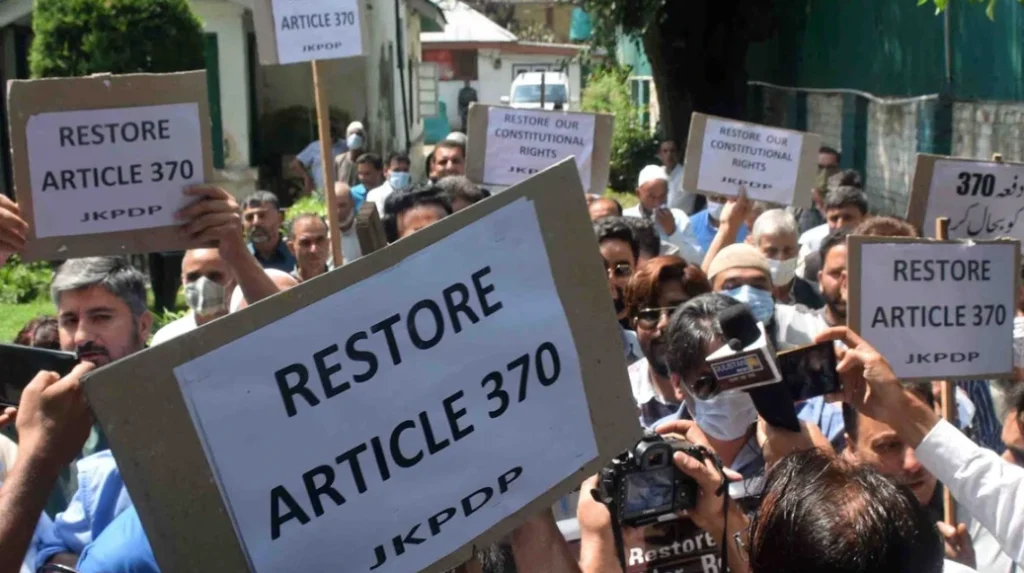
Is Article 370 permanent or temporary: The provision was explicitly described as temporary, though it existed for 70 years. The temporary provision Article 370 designation allowed for eventual modification or revocation.
The Supreme Court’s Constitutional Review
Article 370 Supreme Court examinations produced several important rulings:
- Validation of the constitutional framework
- Confirmation of presidential amendment powers
- Assessment of Article 370 legal implications
- Determination of Article 370 constitutional validity
The 2023 Article 370 verdict 2023 by the Supreme Court represented the most comprehensive judicial review, upholding abrogation while acknowledging the constitutional complexities involved.
Political Leadership and Decision-Making
Key Political Figures
- Narendra Modi Article 370 – Prime Minister who authorized abrogation
- Amit Shah Article 370 – Home Minister who announced the decision
- Article 370 BJP – Political party that championed the move
- Kashmir Omar Abdullah government – Current elected administration
The Article 370 parliament debate involved extensive discussion before the historic abrogation.
Significance and Historical Importance
What is the significance of Article 370 in Indian constitutional history encompasses:
- Unique framework for integrating diverse political entities post-independence
- Precedent for constitutional autonomy arrangements
- Evolution of Indian federalism concepts
- Impact on nation-building philosophy
Conclusion: Understanding Article 370’s Legacy
From the Article 370 origin in 1949 through the Article 370 5 August 2019 abrogation and beyond, this constitutional provision shaped India’s relationship with Kashmir for over seven decades. The Article 370 meaning transcended mere constitutional text—it represented competing visions of integration, autonomy, and national identity.
The Article 370 abrogation represents a watershed moment in Indian constitutional history. Whether examined through the lens of Article 370 Supreme Court decisions, political leadership including Narendra Modi Article 370 initiatives, or contemporary developments like Kashmir elections 2024, the transformation following Article 370 removal continues reshaping the region.
Understanding what is Article 370 in simple words remains essential for comprehending modern Indian constitutional development and Kashmir’s ongoing political journey. The impact of Article 370 abrogation on Kashmir will continue to unfold as the region integrates fully into India’s constitutional and administrative frameworks, with Kashmir development after Article 370 representing one of the defining transformations of contemporary Indian governance.
FAQs on Article 370
Q: What was Article 370?
A: Article 370 was a constitutional provision granting special autonomous status to Jammu and Kashmir, allowing the state separate constitution, laws, and limited central government authority.
Q: When was Article 370 removed?
A: Article 370 was abrogated on August 5, 2019, by the Modi government through Presidential Order.
Q: Why Article 370 was abolished?
A: The government argued that Article 370 hindered Kashmir’s development and national integration. Critics argued it maintained unnecessary constitutional complexity.
Q: How Article 370 was abrogated?
A: Through constitutional amendment using Article 370’s own clause 3, which empowered the President to modify or suspend the provision.
Q: What are the effects of Article 370 removal?
A: Effects include full application of Indian Constitution, loss of permanent resident special rights, new property laws, tourism growth, and infrastructure development.
Q: What happened after Article 370 removal?
A: Kashmir became a union territory, underwent administrative reorganization, received central investments, held assembly elections in 2024, and experienced tourism growth.
Q: What is the significance of Article 370?
A: It represented India’s constitutional approach to integrating diverse regions while respecting regional autonomy, making its abrogation historically significant.