
| Detail | Info |
| Event | Ambedkar Jayanti 2026 |
| Date | Tuesday, 14 April 2026 |
| Birth Anniversary | 135th |
| Born | 14 April 1891, Mhow, Madhya Pradesh |
| Died | 6 December 1956, Delhi |
| Also Known As | Babasaheb Ambedkar |
| Famous For | Father of Indian Constitution, Social Reformer |
| Religion Converted To | Buddhism (October 1956) |
| National Holiday | Yes public holiday in many Indian states |
What is Ambedkar Jayanti?
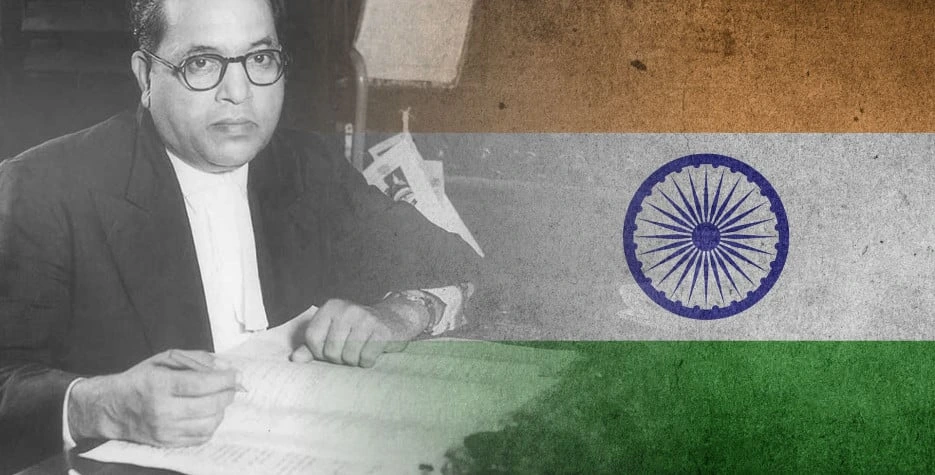
Ambedkar Jayanti is celebrated every year on 14 April to mark the birth anniversary of Dr. Bhimrao Ramji Ambedkar one of the greatest leaders India has ever produced.
He is popularly called Babasaheb meaning “respected father” by millions of Indians who see him as a symbol of hope, equality and justice.
In 2026, India celebrates his 135th birth anniversary. This day is not just a remembrance it is a celebration of the values he stood for: equality, education, justice and human dignity.
“A great man is different from an eminent one in that he is ready to be the servant of the society.” Dr. BR Ambedkar
Who Was Dr. BR Ambedkar?
Early Life Born Into Struggle
Dr. Bhimrao Ramji Ambedkar was born on 14 April 1891 in Mhow, a small town in Madhya Pradesh. He was born into a poor Mahar family a community considered “untouchable” in the caste system of that time.
From his very first day at school, he faced discrimination. He was made to sit outside the classroom. He was not allowed to drink water from the same pot as other students. Teachers refused to touch his notebooks.
But Babasaheb did not give up. He used every challenge as fuel to study harder.
Education Against All Odds
Despite facing extreme poverty and caste discrimination, Ambedkar became one of the most educated people in the world at that time. Here is his incredible academic journey:
| Degree | University |
| BA (Economics & Political Science) | Bombay University, 1912 |
| MA & PhD (Economics) | Columbia University, USA, 1915 |
| MSc & DSc (Economics) | London School of Economics, UK |
| Bar-at-Law (Lawyer) | Gray’s Inn, London |
He had more degrees than almost any other Indian leader of his era. Education was his weapon against discrimination.
“Cultivation of mind should be the ultimate aim of human existence.” Dr. BR Ambedkar
His Fight for Social Justice
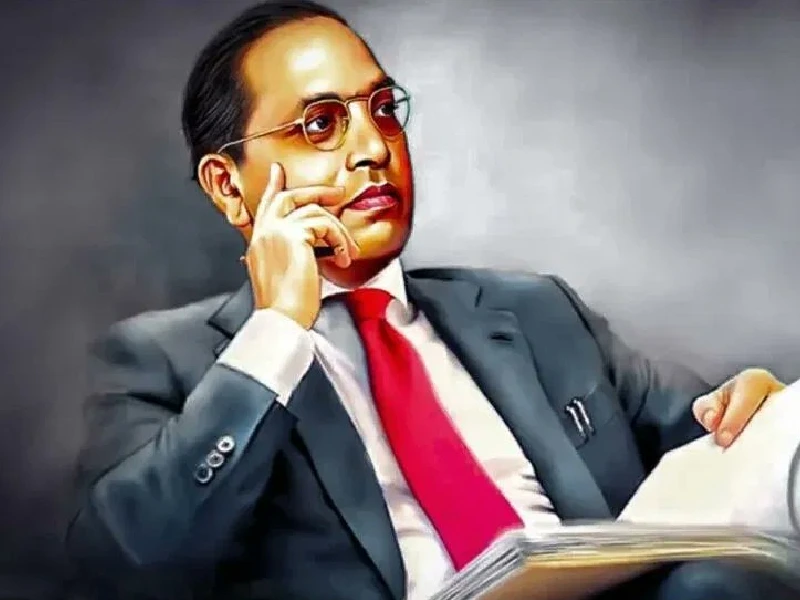
Ambedkar spent his entire life fighting for the rights of Dalits, women and the poor. Some of his most important movements include:
Mahad Satyagraha (1927) He led thousands of Dalits to drink water from a public tank in Mahad, Maharashtra challenging the practice that banned Dalits from using public water sources. This was one of the first major civil rights movements in India.
Burning of Manusmriti (1927) He publicly burned the Manusmriti a text that he believed justified caste discrimination to symbolise the rejection of inequality.
Temple Entry Movement He fought for the right of Dalits to enter temples and worship like every other Indian.
Women’s Rights He strongly supported women’s rights when very few leaders were even discussing the topic. He introduced the Hindu Code Bill to give women equal rights in marriage, divorce and property.
Writing the Indian Constitution
Dr. Ambedkar’s greatest contribution to India is the Indian Constitution the supreme law of the land.
He was appointed as the Chairman of the Constitution Drafting Committee in 1947. He worked tirelessly often through illness to ensure that the Constitution guaranteed:
- Equality for all citizens
- Abolition of untouchability (Article 17)
- Fundamental rights for every Indian
- Reservations for SC/ST communities
- Freedom of religion
- Protection for women and minorities
He is rightly called the “Father of the Indian Constitution.”
“Constitution is not a mere lawyers document. It is a vehicle of life, and its spirit is always the spirit of age.” Dr. BR Ambedkar
Conversion to Buddhism
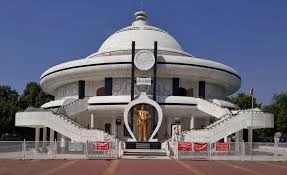
On 14 October 1956 in Nagpur, just weeks before his death, Dr. Ambedkar made a historic decision. He converted to Buddhism along with nearly 600,000 of his followers in a single day.
He chose Buddhism because it was a religion based on equality, reason and compassion free from the caste system. This movement is known as Navayana Buddhism.
He passed away peacefully on 6 December 1956 in Delhi.
How is Ambedkar Jayanti Celebrated?
On this day across India:
- Statues of Dr. Ambedkar are decorated with flowers and garlands
- Processions and rallies are held in cities and towns
- Schools and colleges organize essay writing, speeches and debates
- Government offices hold tribute programs
- Social organizations conduct awareness drives on caste discrimination and equality
- People share his quotes and messages on social media
It is a public holiday in many Indian states including Maharashtra, Madhya Pradesh, Uttar Pradesh, Tamil Nadu and others.
Government Schemes Inspired by Ambedkar’s Vision
Dr. Ambedkar’s fight for equality lives on through several government schemes launched in his name or inspired by his ideals:
| Scheme | Benefit |
| Dr. Ambedkar National Merit Award | Cash awards for SC/ST students with excellent academic performance |
| Pradhan Mantri Adarsh Gram Yojana | Development of villages with high SC population |
| Post-Matric Scholarship for SC/ST Students | Financial help for higher education |
| Dr. Ambedkar Foundation Fellowships | Research fellowships for SC/ST scholars |
| Stand Up India Scheme | Loans for SC/ST entrepreneurs to start businesses |
| SJSRY Urban Poverty Scheme | Employment for urban SC/ST poor |
| Babasaheb Ambedkar Awas Yojana (State) | Housing for SC/ST families in several states |
Why is Ambedkar Jayanti Important?
Ambedkar Jayanti is important for every Indian because:
- It reminds us that the rights we enjoy today were fought for by someone who faced discrimination at every step
- It celebrates the power of education to change one’s destiny
- It honors the Constitution that protects every Indian citizen
- It inspires Dalits and marginalised communities to stand up for their rights
- It keeps alive the values of equality, liberty and fraternity
“I measure the progress of a community by the degree of progress which women have achieved.” Dr. BR Ambedka