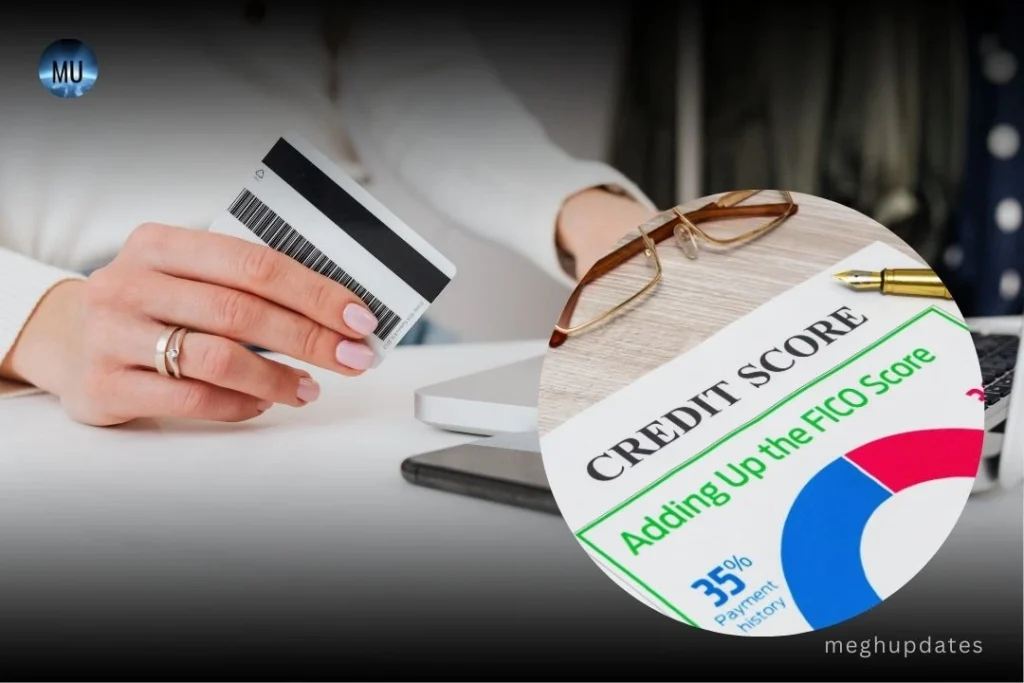
Your credit score isn’t just a number—it’s a financial passport that determines whether you can buy a home, lease a car, or even land certain jobs. If you’re reading this, chances are you need to improve credit score fast, and you need it done quickly. The good news? It’s absolutely possible to see meaningful improvements in a relatively short time frame when you know exactly what to do.
Let’s be clear from the start: anyone promising to improve credit score fast by 200 points overnight is selling snake oil. However, with the right strategies applied consistently, you can see legitimate improvements within 30 to 90 days. Some changes, like reducing your credit utilization, can impact your score within a single billing cycle. Others, like building a longer credit history, naturally take more time.
In this comprehensive guide, you’ll learn the exact steps that actually move the needle on your credit score. We’ll cover everything from the quick wins that can help you improve credit score fast in weeks to the foundational habits that keep your score strong for years. Whether you’re trying to qualify for a mortgage, get better interest rates, or simply gain financial peace of mind, these proven strategies will help you get there faster.
Understanding Your Credit Score Before Improving It
What Is a Credit Score?
A credit score is a three-digit number that represents your creditworthiness—essentially, how likely you are to repay borrowed money based on your past financial behavior. Before you can improve credit score fast, you need to understand what you’re working with. Lenders, landlords, insurance companies, and even some employers use this number to assess risk when deciding whether to do business with you.
In the United States, credit scores typically range from 300 to 850, though the exact range can vary slightly depending on the scoring model used. Here’s how the ranges generally break down:
- Poor (300-579): Severely limited credit options, highest interest rates
- Fair (580-669): Below-average creditworthiness, limited loan options
- Good (670-739): Near or slightly above average, reasonable loan terms
- Very Good (740-799): Above-average creditworthiness, competitive rates
- Excellent (800-850): Exceptional creditworthiness, best available terms
The two most common scoring models are FICO and VantageScore, and while they use similar data, they may weigh factors slightly differently. Most lenders still rely primarily on FICO scores.
Factors That Affect Your Credit Score
Understanding what influences your credit score is essential before you can improve credit score fast. Think of your credit score as a report card that measures five key areas of your financial life:
Payment History (35% of your score): This is the heavyweight champion of credit scoring factors. Your track record of paying bills on time—or not—has the single biggest impact on your score. Even one late payment can ding your score significantly, while a pattern of consistent, on-time payments steadily builds it up.
Credit Utilization Ratio (30% of your score): This measures how much of your available credit you’re actually using. If you have a credit card with a $10,000 limit and you’re carrying a $3,000 balance, your utilization is 30%. Lower is better here—experts generally recommend keeping utilization below 30%, and ideally below 10% for the best scores. This is one of the fastest ways to improve credit score fast.
Length of Credit History (15% of your score): Credit bureaus want to see that you’ve successfully managed credit over time. This factor considers the age of your oldest account, the age of your newest account, and the average age of all your accounts. The longer your responsible credit history, the better.
Credit Mix (10% of your score): This looks at the variety of credit types you manage—credit cards, mortgages, auto loans, student loans, etc. Having a diverse mix shows you can handle different types of credit responsibly, though this is a relatively minor factor.
New Credit Inquiries (10% of your score): When you apply for new credit, lenders perform a “hard inquiry” on your credit report. Too many of these in a short period can suggest financial distress and temporarily lower your score. However, the impact is usually small and fades within a year.
How to Improve Credit Score Fast: Actionable Steps
1. Pay All Bills on Time (Highest Impact)
If you want to improve credit score fast, this is your most powerful strategy: pay every single bill on time, every single month. Payment history accounts for 35% of your credit score, making it the most powerful lever you can pull for credit improvement.
Here’s the harsh reality: a single payment that’s 30 days late can drop your credit score by 60 to 110 points, depending on your starting score. The damage is even worse if you’re starting with a higher score. A payment that’s 90 days late or more can devastate your credit for years.
The good news? The positive impact of consistent on-time payments accumulates over time. Each month you pay on time adds another brick to your foundation of creditworthiness. While negative marks stay on your report for seven years, their impact diminishes over time, especially as you build up more recent positive history.
How to never miss a payment again:
Set up automatic payments for at least the minimum amount due on all your credit accounts. Most credit card companies and lenders offer autopay through their websites or apps. Even if you plan to pay more than the minimum, having autopay ensures you’ll never accidentally miss a due date.
Create calendar reminders a few days before each due date. Technology is your friend here—use your phone’s calendar app, set recurring alerts, or use budgeting apps that track bill due dates.
Consider consolidating due dates. Many credit card issuers will let you change your payment due date. If you get paid on the 1st and 15th, for example, you might set all your credit cards to be due on the 5th and 20th, making it easier to manage payments around your cash flow.
2. Reduce Credit Utilization Quickly
Credit utilization is one of the fastest-acting factors you can control when you want to improve credit score fast. Because most credit card issuers report your balance to credit bureaus once per month (usually on your statement closing date), you can see improvements in your score within 30 to 45 days of lowering your utilization.
The ideal credit utilization ratio is below 30% across all your cards combined, but the magic really happens when you get below 10%. Someone with a 5% utilization rate will typically have a significantly higher score than someone at 29%, even if all other factors are equal.
Strategies to lower utilization immediately:
Pay down balances aggressively. If you have extra cash available, putting it toward your credit card balances is one of the most effective ways to improve credit score fast. Focus on cards that are closest to their limits first, as these have the biggest impact on your utilization ratio.
Make multiple payments throughout the month. You don’t have to wait for your due date to make a payment. If you get paid biweekly, consider making a credit card payment each payday. This keeps your balance lower throughout the month and can result in a lower balance being reported to the credit bureaus.
Request a credit limit increase. If you’ve been a responsible customer for at least six months, call your credit card company and request a higher credit limit. As long as you don’t increase your spending, this instantly lowers your utilization ratio. For example, if you have a $5,000 limit with a $2,000 balance (40% utilization), increasing your limit to $8,000 drops your utilization to 25%—without paying a penny extra.
Use your cards strategically. If you have multiple cards, spread small purchases across them rather than maxing out one card. Both per-card utilization and overall utilization matter for your score.
3. Check Your Credit Report for Errors
One surprising way to improve credit score fast is by identifying and correcting errors on your credit report. Studies suggest that roughly one in five credit reports contains an error that could negatively impact your score. These mistakes can range from accounts that don’t belong to you to incorrect payment statuses or outdated information.
Common credit report errors include accounts that belong to someone else (often someone with a similar name), payments incorrectly marked as late when they were on time, accounts showing as open when they’ve been closed, duplicate accounts appearing multiple times, and outdated negative information that should have been removed.
How to dispute errors step-by-step:
First, obtain your credit reports from all three major credit bureaus: Equifax, Experian, and TransUnion. You’re entitled to one free report from each bureau every year through AnnualCreditReport.com, and many credit monitoring services provide ongoing access.
Review each report carefully, line by line. Check that all accounts belong to you, payment histories are accurate, balances are correct, and personal information is up to date.
If you find errors, file a dispute with the credit bureau reporting the incorrect information. You can usually do this online through the bureau’s website. Provide specific details about what’s wrong and include any supporting documentation—bank statements, payment confirmations, account statements, etc.
The credit bureau has 30 days to investigate your dispute. If they find the information is indeed incorrect, they must correct or remove it, which can help you improve credit score fast—sometimes within just one billing cycle.
4. Avoid Applying for New Credit Frequently
While it might seem counterintuitive when you’re trying to improve credit score fast, applying for too much new credit can actually hurt your score in the short term. Each time you apply for credit, the lender performs a “hard inquiry” on your credit report, which can temporarily lower your score by a few points.
One hard inquiry typically has a minimal impact—usually less than five points—and the effect fades within a few months. However, multiple hard inquiries in a short period raise red flags for lenders, suggesting you might be desperate for credit or taking on more debt than you can handle.
Understanding hard vs. soft inquiries:
Hard inquiries occur when you apply for a credit card, mortgage, auto loan, or personal loan. These appear on your credit report and can affect your score.
Soft inquiries occur when you check your own credit, when companies send you pre-approved offers, or when employers run background checks. These do not affect your credit score at all.
When applying for new credit makes sense:
Shopping for a mortgage or auto loan: Credit scoring models recognize rate shopping and typically count multiple inquiries for the same type of loan within a 14-45 day window as a single inquiry.
Taking advantage of a 0% balance transfer offer to pay down debt faster: If the math works in your favor and you’ll save significantly on interest, a new card might be worth the temporary inquiry.
You genuinely need credit and have a strong likelihood of approval: Random applications “just to see if you’ll get approved” should be avoided.
5. Become an Authorized User
Becoming an authorized user on someone else’s credit card account is a legitimate strategy to improve credit score fast, especially if you’re building credit from scratch or recovering from past mistakes. When you’re added as an authorized user, that account’s payment history and utilization can appear on your credit report, potentially giving your score an immediate boost.
This strategy works best when the primary cardholder has excellent credit habits—a long history of on-time payments, low utilization, and an account that’s been open for several years. Their positive credit behavior essentially becomes part of your credit history.
What makes a good authorized user account:
The account should have a perfect payment history with no late payments, maintain low credit utilization (ideally under 10%), have been open for several years to help your average account age, and have a credit limit high enough to meaningfully impact your overall utilization.
Risks to consider:
This strategy only helps you improve credit score fast if the primary cardholder maintains good habits. If they start missing payments or maxing out the card, it could hurt your score instead. Make sure you trust the person whose account you’re joining, and have a clear understanding of your role as an authorized user.
Also note that you may receive an actual credit card, which gives you spending power on their account. If you use it irresponsibly, you could damage both your relationship and both credit scores.
6. Pay Off Past-Due Accounts Strategically
If you have past-due accounts or collections on your credit report, addressing them strategically can help you improve credit score fast. However, this requires careful planning because not all approaches to handling old debt are equally beneficial for your credit score.
Understanding paid vs. unpaid collections:
Newer credit scoring models (FICO 9, VantageScore 3.0 and 4.0) ignore paid collections entirely, meaning once you pay off a collection account, it stops hurting your score under these models. However, many lenders still use older scoring models where paid collections continue to have a negative impact, though usually less severe than unpaid ones.
Should you settle or pay in full?
Paying in full is always preferable from a credit score perspective. When you settle for less than the full amount, the account will be marked as “settled” rather than “paid in full,” which is less favorable.
However, settling can still be worthwhile if it’s your only option and the creditor agrees to remove the collection from your credit report entirely—a practice called “pay for delete.” While not all creditors agree to this, it’s worth negotiating for if you want to improve credit score fast.
Negotiation strategies:
Before making any payment, contact the creditor or collection agency in writing. Ask them to verify the debt is actually yours and that they have the legal right to collect it. Request a “pay for delete” agreement in writing before sending any money. If they won’t delete the entry, at least negotiate for them to mark it as “paid in full” rather than settled. Get everything in writing before making a payment, and never provide bank account information until you have a written agreement.
7. Keep Old Credit Accounts Open
When you’re working to improve credit score fast, your instinct might be to close old credit cards you no longer use. This is actually one of the worst things you can do for your credit score in most situations.
Closing old accounts hurts your score in two ways: it reduces your overall available credit (which increases your utilization ratio), and it can lower your average account age, which makes your credit history appear shorter.
Why credit history length matters:
Credit scoring models reward longevity. An account that’s been open and in good standing for 10 years signals much more about your creditworthiness than one you opened last month. Your oldest account, in particular, serves as proof that you have extensive experience managing credit responsibly.
Best practices for unused credit cards:
Keep them open but use them occasionally to prevent the issuer from closing them due to inactivity. Putting a small recurring charge on each card—like a streaming service subscription—and setting up autopay ensures the account stays active without requiring you to remember to use it.
Store unused cards securely at home rather than carrying them in your wallet if you’re concerned about overspending. The goal is to maintain the account’s positive impact on your credit history without tempting yourself to use it frivolously.
Only close accounts if they have high annual fees you can’t justify, or if keeping the account open poses a genuine risk to your financial discipline. Even then, try to negotiate the annual fee down or convert the account to a no-fee version before closing it.
How Long Does It Take to Improve a Credit Score?
One of the most common questions people ask is: “How quickly can I improve credit score fast and see real results?” The honest answer depends on your starting point and which strategies you implement.
Changes that can show results in 30-60 days:
Reducing credit utilization is the fastest way to improve credit score fast. Once your lower balances are reported to the credit bureaus (typically at your statement closing date), you can see score improvements within one to two billing cycles.
Correcting errors on your credit report can also produce quick results. Once the credit bureau completes its investigation and removes incorrect information, your score can improve immediately.
Being added as an authorized user on a well-established account with excellent payment history can boost your score within one to two billing cycles after the account appears on your report.
Changes that take longer:
Building a positive payment history takes time because you need to demonstrate consistent responsible behavior. While one on-time payment helps, you’ll see the most dramatic improvements after six months to a year of perfect payment history, especially if you’re recovering from past late payments.
Recovering from serious negative marks like bankruptcies, foreclosures, or charge-offs is a longer journey. These items remain on your credit report for seven to ten years, though their impact diminishes significantly over time. You can still improve credit score fast relative to where you started, but reaching an excellent score may take two to four years of consistent positive behavior.
Increasing your average account age happens naturally over time and can’t be rushed. However, keeping your oldest accounts open and avoiding opening too many new accounts helps preserve the age-related benefits you already have.
Realistic expectations vs. scams:
You can realistically expect to improve credit score fast by 20-50 points within the first three months if you focus on high-impact actions like reducing utilization and ensuring perfect payment history. Improvements of 100+ points are possible but typically require six months to a year of consistent effort, especially if you’re starting from a lower score.
Be extremely wary of any service promising to increase your score by 100+ points in just a few days or weeks. These are almost always scams. Legitimate credit improvement takes time and discipline—there are no magic shortcuts.
What Not to Do When Trying to Improve Credit Score Fast
Just as important as knowing what to do is understanding what to avoid when you’re trying to improve credit score fast. Some common mistakes can actually set you back or waste your money.
Credit repair myths:
Myth: Closing old accounts helps your score. Reality: This usually hurts by reducing available credit and potentially lowering your average account age.
Myth: Carrying a balance on your credit cards helps your score. Reality: You should pay your statement balance in full each month. Carrying a balance just costs you interest without providing any score benefit.
Myth: Checking your own credit hurts your score. Reality: Checking your own credit is a soft inquiry and has absolutely no impact on your score.
Myth: You need to use all your credit cards to maintain a good score. Reality: Even cards you rarely use contribute positively to your available credit and account age.
Avoiding shady “instant credit boost” services:
Many companies prey on people desperate to improve credit score fast by selling expensive services that promise unrealistic results. Red flags include guarantees of specific score increases, promises to remove accurate negative information from your report, requests for payment before services are rendered, and pressure tactics or urgency-based sales approaches.
Remember: anything a credit repair company can legally do, you can do yourself for free. The only advantage these companies offer is convenience, and that’s rarely worth the hundreds or thousands of dollars they charge.
Why patience and consistency win:
The most effective way to improve credit score fast is through consistent application of proven strategies, not through shortcuts or gimmicks. Think of credit improvement like getting in shape—crash diets rarely work long-term, but sustainable lifestyle changes produce lasting results.
Focus on building positive habits: paying bills on time, keeping utilization low, monitoring your credit regularly, and avoiding unnecessary new credit applications. These behaviors compound over time, creating a credit profile that not only scores well but actually reflects genuine financial responsibility.
Tools That Can Help Improve Credit Score Faster
While the strategies themselves are straightforward, the right tools can make it easier to improve credit score fast by helping you stay organized and on track.
Credit monitoring tools:
Many free services now offer credit score tracking and monitoring. Credit Karma, Credit Sesame, and Experian’s free membership all provide regular access to your credit score and report, along with alerts when changes occur.
These tools help you improve credit score fast by letting you track your progress in real-time and catch errors or fraudulent activity quickly. Seeing your score improve month over month also provides motivation to stick with your credit improvement plan.
Budgeting apps:
Apps like YNAB (You Need A Budget), Mint, or PocketGuard help you manage your money more effectively, ensuring you always have funds available to pay bills on time and pay down balances. Many of these apps can send payment reminders and track your spending across categories.
Payment reminder systems:
If you prefer not to use autopay, setting up a robust reminder system is essential. Your smartphone’s calendar app can send notifications days before payments are due. Some people find success with dedicated bill-paying apps like Prism or Bills Monitor that centralize all their due dates in one place.
The key is finding a system that works for your personal style and sticking with it. The best credit improvement tool is consistency.
Why You Can Trust This Credit Improvement Guide
This guide to improve credit score fast is built on real-world practices that align with how credit scoring actually works, not wishful thinking or theoretical strategies.
Experience: These strategies reflect the proven approaches used by countless individuals who have successfully rebuilt their credit, as well as the advice consistently given by financial advisors, credit counselors, and lending professionals.
Expertise: Every recommendation aligns with how FICO and VantageScore calculate credit scores. We’re not guessing about what might work—we’re explaining the factors that credit bureaus actually use and how to optimize them.
Authoritativeness: The content follows widely accepted financial best practices and consumer credit guidelines established by entities like the Consumer Financial Protection Bureau (CFPB) and major credit bureaus.
Trustworthiness: You won’t find any misleading promises of overnight fixes, illegal credit manipulation tactics, or shortcuts that could backfire. This guide emphasizes transparency, accuracy, and long-term financial health over quick fixes that don’t last.
When you want to improve credit score fast, you need information you can trust. That means honest timelines, realistic expectations, and strategies that actually work within the established credit system.
Frequently Asked Questions (FAQs)
How can I improve my credit score fast in 30 days?
To improve credit score fast in 30 days, focus on the factors that update monthly: pay down credit card balances to reduce utilization below 30% (ideally below 10%), ensure all bills are paid on time before their due dates, check your credit report for errors and dispute any inaccuracies immediately, and avoid applying for any new credit during this period. The most dramatic 30-day improvements typically come from significantly reducing credit utilization, which is reported to credit bureaus at your statement closing date.
Can paying off credit cards immediately boost my score?
Yes, paying off credit cards can help you improve credit score fast, especially if it reduces your credit utilization below 30%. The impact happens once your card issuer reports the lower balance to the credit bureaus, typically at your statement closing date. For maximum impact, you can pay down balances just before your statement closes, ensuring a low utilization is reported even if you continue using the card for everyday purchases that you pay off in full each month.
Does checking my credit score lower it?
No, checking your own credit score is classified as a “soft inquiry” and has absolutely no impact on your credit score. You can check as often as you like without any negative effects. In fact, regularly monitoring your credit is encouraged because it helps you track your progress as you work to improve credit score fast and alerts you to potential errors or fraudulent activity.
Is it possible to improve a bad credit score quickly?
Yes, it’s possible to improve credit score fast even from a low starting point, but “quickly” is relative. With disciplined actions—paying all bills on time, dramatically reducing credit utilization, and correcting any errors on your credit report—you can see improvements of 20-50 points within the first few months. Larger improvements of 100+ points are achievable but typically require six months to a year of consistent positive behavior. The exact timeline depends on your specific credit profile and what’s currently hurting your score.
Conclusion
Learning how to improve credit score fast isn’t about finding magic shortcuts or paying for expensive credit repair services. It’s about understanding the factors that influence your score and systematically optimizing each one through consistent, responsible financial behavior.
The fastest and safest ways to improve credit score fast start with paying every bill on time without exception, reducing your credit utilization well below 30%, checking your credit report for errors and disputing any inaccuracies, avoiding unnecessary new credit applications, and strategically addressing any past-due accounts or collections.
Remember that while some improvements can show results within 30 to 60 days—particularly reducing credit utilization and correcting errors—building an excellent credit score is a marathon, not a sprint. The same habits that help you improve credit score fast in the short term are the ones that maintain a strong score for life.
Stay consistent with your positive financial habits: set up autopay or reliable reminders, keep credit card balances low, maintain your oldest accounts, and monitor your progress regularly. Fast improvement is absolutely possible when you apply these proven strategies, but permanent improvement requires ongoing discipline.
Your credit score reflects your financial trustworthiness, and every positive action you take compounds over time. Whether you’re trying to qualify for a mortgage, get better insurance rates, or simply gain financial peace of mind, these strategies will help you improve credit score fast while building a foundation for long-term financial success. Start today, stay consistent, and watch your score climb.