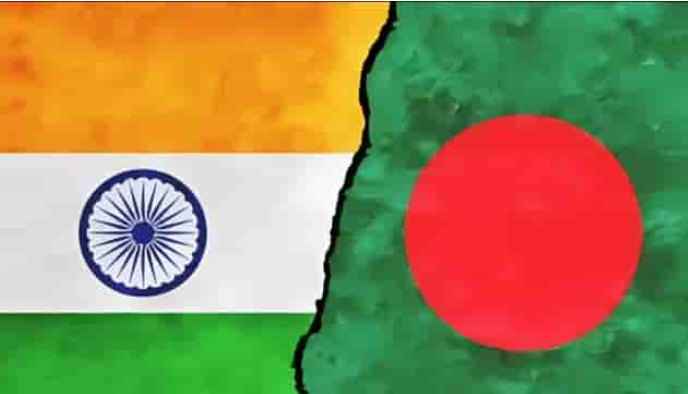
Dhaka — The Yunus government in Bangladesh is facing mounting criticism over its newly released 2026 public holiday list, which notably excludes several significant Hindu religious festivals and the historically important Language Martyrs’ Day, igniting a heated debate about minority rights and national identity.
Major Omissions Trigger Backlash
The controversial holiday calendar has drawn sharp criticism for omitting key celebrations including Saraswati Puja and Janmashtami—festivals deeply important to Bangladesh’s Hindu minority community. Additionally, the exclusion of Language Martyrs’ Day (Bhasha Shahid Diwas), which commemorates those who sacrificed their lives for the Bengali language movement in 1952, has raised concerns about the erasure of Bangladesh’s historical legacy.
Accusations of Targeting Minorities
Critics have accused the government of deliberately marginalizing minority communities through the holiday list. Opposition voices and civil society groups allege that the omissions represent a systematic attempt to diminish the cultural and religious space of Hindus, who constitute approximately 8-10% of Bangladesh’s population.
“This isn’t just about holidays—it’s about recognition and respect,” said one community leader, reflecting widespread sentiment among minority groups.
Questions Over Government’s Justification
While the Yunus government has reportedly offered explanations for the revised holiday schedule, critics argue that the rationale fails to adequately address concerns about religious freedom and inclusivity. The government’s defense has been met with skepticism, with many questioning the criteria used to determine which observances merit official recognition.
Broader Implications
The controversy has intensified worries about:
- Religious Freedom: Concerns that minority communities are being systematically sidelined in public policy
- National Identity: Fears that Bangladesh’s pluralistic heritage and liberation history are being rewritten
- Social Cohesion: Potential impact on communal harmony in a nation with diverse religious communities
Historical Context
Bangladesh has traditionally recognized a variety of religious and secular holidays reflecting its multicultural society. The Language Martyrs’ Day holds particular significance as it commemorates the 1952 Bengali Language Movement, a pivotal moment in the nation’s journey toward independence.
As the debate continues, civil society organizations and minority rights groups are calling for a transparent review of the holiday policy to ensure it reflects Bangladesh’s constitutional commitment to religious freedom and honors the country’s diverse cultural fabric.
This is a developing story.