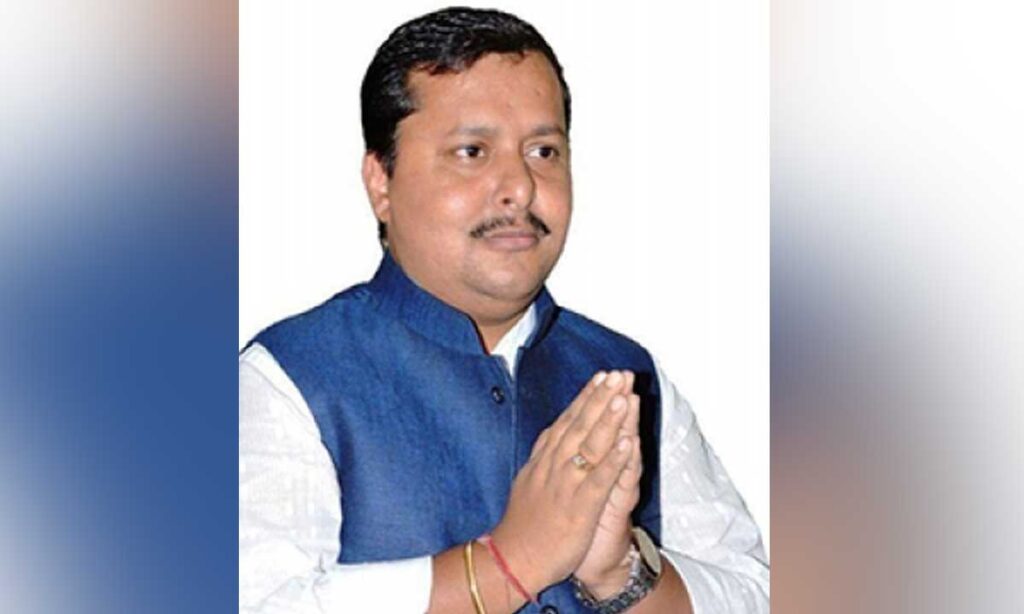
At just 45 years old, Nitin Nabin has achieved a remarkable milestone that places him among the youngest leaders to assume the position of BJP National Working President. This strategic appointment marks a significant moment in the Indian political landscape and signals the ruling party’s confidence in grooming a fresh generation of leadership for the future.
A New Generation at the Helm
Nitin Nabin’s elevation to the position of National Working President represents a deliberate move by the BJP to bring younger, dynamic leaders into key organizational roles. The party’s decision underscores its commitment to infusing new energy into its hierarchical structure while maintaining the institutional wisdom that has built it into one of the world’s largest political organizations.
The appointment comes at a crucial time when the BJP is navigating complex political dynamics across multiple states and preparing for future electoral contests. Nabin’s selection signals that the party leadership believes in investing in leaders who can bridge the gap between the current generation of senior functionaries and the next wave of political operatives.
PM Modi’s Endorsement: A Vote of Confidence
Prime Minister Narendra Modi has publicly praised Nitin Nabin, describing him as a hardworking and grounded karyakarta (party worker) with rich organizational experience. This endorsement from the nation’s top leader carries significant weight within party circles and the broader political ecosystem.
Modi’s characterization of Nabin as “grounded” is particularly noteworthy, as it suggests that despite his rapid rise through the party hierarchy, he has maintained the values and work ethic that define dedicated political workers. The Prime Minister’s emphasis on Nabin’s organizational experience highlights that this appointment is not merely symbolic but reflects genuine capability and proven track record in managing complex party structures.
Building a Reputation from the Ground Up
Nitin Nabin’s journey to the top of the BJP hierarchy reflects a career built on dedication, strategic thinking, and organizational acumen. His extensive experience in party management suggests he has worked across multiple levels of the organization, understanding both the macro-level political strategies and the ground-level realities of political work.
The phrase “rich organisational experience” used by Prime Minister Modi encapsulates Nabin’s value to the party. In Indian politics, where organizational strength often determines electoral outcomes, leaders with deep experience in managing party structures, coordinating between different levels of the hierarchy, and mobilizing resources are invaluable assets.
The Significance of Age and Experience
At 45, Nitin Nabin represents a cohort of leaders who have grown up with modern India’s political dynamics. He brings a perspective that combines contemporary understanding of governance and political communication with the traditional values of political organization. This balance is increasingly important as Indian politics navigates the intersection of traditional organizational structures and digital-age political engagement.
The appointment also reflects a broader trend in the BJP of identifying and promoting leaders who have demonstrated competence without necessarily being from the party’s founding generation. This approach helps ensure the party’s institutional continuity while preventing leadership stagnation.
National Working President: A Position of Strategic Importance
The role of National Working President is a key position within the BJP’s organizational structure. It involves overseeing the party’s day-to-day functioning, coordinating between various state and district units, managing internal party dynamics, and assisting the party president in overall strategic direction.
For someone at 45 to hold this position is exceptional and speaks to either extraordinary achievements or strategic positioning by the party leadership to prepare Nabin for even greater responsibilities in the future. Given Modi’s public endorsement and the emphasis on his experience, it appears to be the former.
What This Means for the BJP’s Future
Nitin Nabin’s appointment has several implications for the BJP’s trajectory. First, it signals that the party is actively preparing a succession pipeline and is not relying solely on its current generation of senior leaders. Second, it indicates confidence in younger leaders’ ability to handle critical organizational responsibilities. Third, it suggests that the party values practical, ground-level experience over theoretical understanding of politics.
For party workers across India, Nabin’s rise may also serve as an inspirational example that hardwork, organizational commitment, and grounded political engagement can lead to rapid advancement within the party structure.
The Road Ahead
With his appointment as National Working President, Nitin Nabin takes on significant responsibilities during a critical phase of Indian politics. The coming years will test his ability to manage internal party dynamics, coordinate electoral strategies across states, and contribute to the BJP’s broader political objectives.
His success in this role could well prepare him for even higher positions in the future, making his appointment a potentially pivotal moment not just for him personally, but for the direction and leadership structure of one of India’s most influential political organizations.
Conclusion
Nitin Nabin’s appointment as BJP National Working President at 45 represents a significant development in Indian politics. With Prime Minister Modi’s public endorsement highlighting his work ethic, grounded nature, and rich organizational experience, Nabin steps into a role that could shape both his future trajectory and the BJP’s organizational direction. His elevation signals the party’s confidence in younger leadership and its commitment to building a robust succession pipeline for the future. As India’s political landscape continues to evolve, leaders like Nitin Nabin will play a crucial role in determining how traditional political organizations adapt to contemporary challenges while maintaining their core strengths.