
Introduction
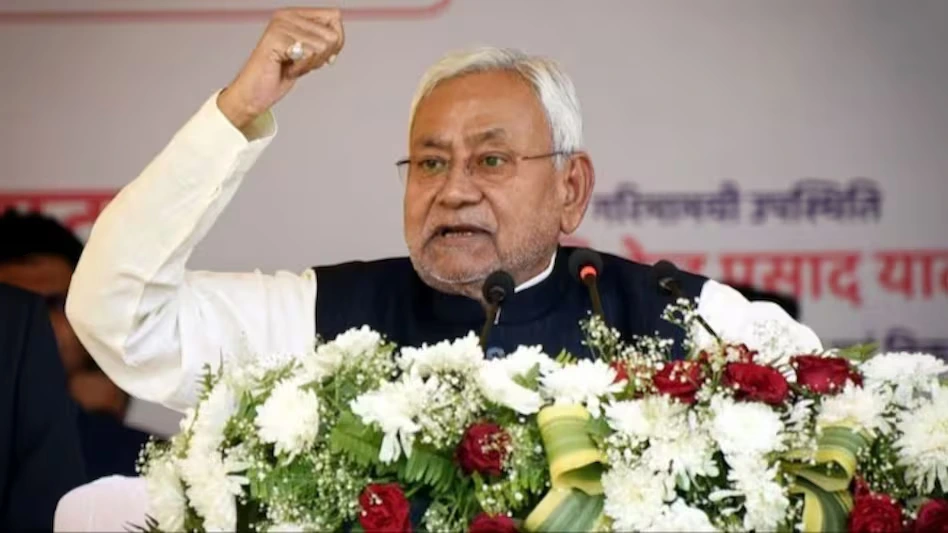
In this comprehensive article, you will find detailed insights into Nitish Kumar, one of India’s most influential politicians and the longest-serving Chief Minister of Bihar. Covering his Nitish Kumar biography, political journey, family, governance policies, election history, controversies, and latest developments in 2025, this guide aims to provide authoritative, factual content that answers all key queries about this stalwart leader. Whether you’re searching for who is Nitish Kumar or exploring his recent Nitish Kumar latest news, this article covers everything you need to know.
Nitish Kumar Biography
Nitish Kumar was born on Nitish Kumar birth date, March 1, 1951, in Nitish Kumar birthplace, Bakhtiyarpur, Bihar. Many people wonder about Nitish Kumar age 2025 – he is currently 74 years old. His early life in rural Bihar shaped his understanding of grassroots politics and social challenges.
For his Nitish Kumar education, he pursued engineering at the Bihar College of Engineering, earning a B.Sc. in Engineering. This technical background later proved valuable during his tenure as Railway Minister. His early involvement in the political arena began with his participation in the JP Movement in 1974–77, opposing the Emergency imposed in India. This experience shaped his political commitment to social justice and governance reforms.
Nitish Kumar Family
A prominent aspect of his public image is his grounded family life. Nitish Kumar family includes his late wife, Nitish Kumar wife Manju Kumari Sinha, who was a stable pillar during his early political career. Many searches focus on Nitish Kumar wife name, which was Manju Kumari Sinha, who sadly passed away in 2007.
They have a son, Nitish Kumar son, Nishant Kumar. Searches for Nitish Kumar son Nishant Kumar reveal that he has led a remarkably low-profile life compared to his father’s political stature. Despite the heavy demands of political life, his family remains a point of interest for followers and researchers alike.
Nitish Kumar Caste and Social Background
Belonging to the OBC community, Nitish Kumar caste is Kurmi, a significant agricultural caste in Bihar. This background has been central to his political identity. His political narrative focuses heavily on social justice, uplifting backward classes alongside development initiatives, making his caste identity an important factor in Bihar’s caste-based politics.
Political Career and Achievements
Early Political Journey and Ministerial Roles
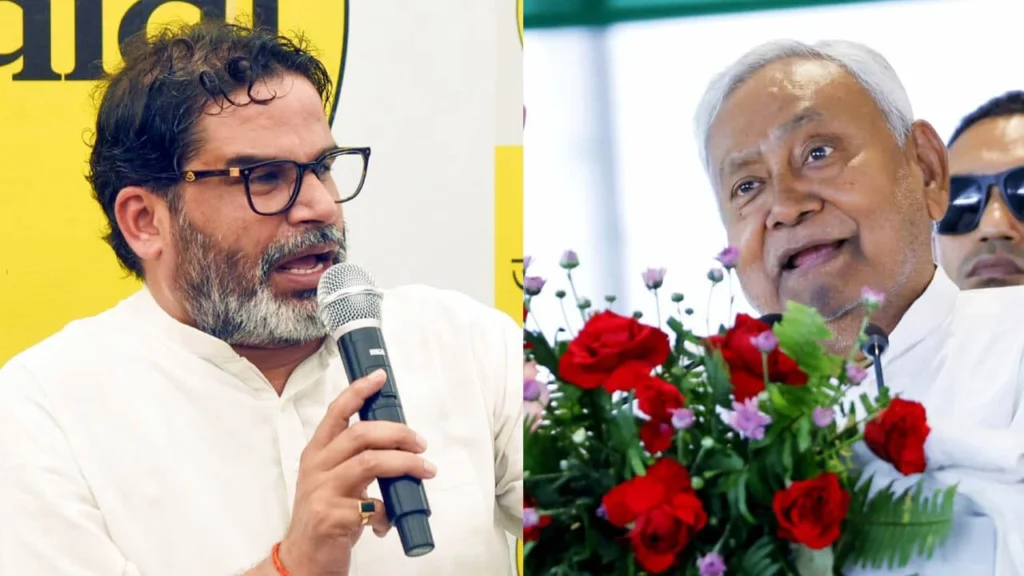
Nitish Kumar political career began with the socialist movement during the Emergency period. He co-founded the Samata Party, which later merged into the Janata Dal (United). His rise in national politics came when he served as Nitish Kumar minister in the Union Cabinet.
His tenure as Union Railway Minister from 2001-2004 was particularly notable. During this period, he introduced the Nitish Kumar Tatkal scheme railways, revolutionizing train ticket booking in India. This innovation made last-minute train travel accessible to millions. However, his railway career also saw a significant moment of accountability – the Nitish Kumar Gaisal train disaster in 1999, after which he took moral responsibility and resigned from his ministerial position, demonstrating his commitment to ethical governance.
Chief Minister Bihar: Record-Breaking Tenure
Nitish Kumar Chief Minister Bihar has been a defining feature of Bihar politics for over two decades. The most frequently asked question remains: how many times Nitish Kumar was CM or Nitish Kumar how many times Chief Minister? The answer is remarkable – he has served nine non-consecutive terms, making him Bihar’s longest-serving Chief Minister.
His Nitish Kumar terms as CM began in 2000, and he has held office through 2005-2014, 2015-2017, 2017-2020, 2020-2022, and from 2022 onwards. This Nitish Kumar nine terms record is unprecedented in Bihar’s political history. The Nitish Kumar ninth term Chief Minister achievement solidifies his position as one of India’s most enduring regional leaders.
Janata Dal (United) Leadership
Nitish Kumar’s association with Nitish Kumar JDU has been instrumental in shaping the party’s ideology and electoral strategy. Under his leadership, JD(U) has played a crucial role in Bihar’s political landscape, maintaining relevance despite numerous challenges and competition from larger national parties.
National Recognition and Aspirations
Beyond Bihar, there have been ongoing discussions around Nitish Kumar prime minister aspirations. His governance record and development focus have made some factions view him as a potential national leader. In 2012, Nitish Kumar Foreign Policy Magazine recognized his achievements when Foreign Policy Magazine ranked him 77th among the world’s top 100 global thinkers, bringing international attention to his development model.
2025 Election and Current Political Scenario

The Nitish Kumar 2025 election was critical for Bihar’s future direction, with intense competition and strategic alliances. Leading up to the election, Nitish Kumar Bihar election news dominated headlines across national media, highlighting his strategies and political moves.
After multiple alliance shifts, including his association with the Nitish Kumar NDA alliance and previous conflicts with the Nitish Kumar Mahagathbandhan, his political acumen was key to navigating Bihar’s complex political terrain. His relationship with the Nitish Kumar BJP has evolved multiple times, reflecting pragmatic political calculations.
The Nitish Kumar election campaign for 2025 showcased his enduring appeal among Bihar’s voters, particularly focusing on development achievements and governance records. Throughout the campaign period, Nitish Kumar latest news consistently featured his rally schedules, policy announcements, and alliance strategies.
Alliance Politics and Strategic Shifts
Understanding why Nitish Kumar left Mahagathbandhan requires examining Bihar’s complex political dynamics. In 2022, he broke away from the Grand Alliance (Mahagathbandhan) citing governance concerns and ideological differences. The Nitish Kumar BJP split 2022 marked yet another turn in his political journey, demonstrating his willingness to realign based on perceived governance priorities.
His subsequent return to the NDA alliance in January 2024 showcased his pragmatic approach to coalition politics. These Nitish Kumar alliance changes have been both criticized and defended, depending on political perspectives.
One of the key relationships that has defined recent Bihar politics is the Nitish Kumar Tejashwi Yadav conflict. This political rivalry has shaped alliance formations, policy debates, and electoral strategies in Bihar, with both leaders representing different visions for the state’s future.
Controversies and Criticism
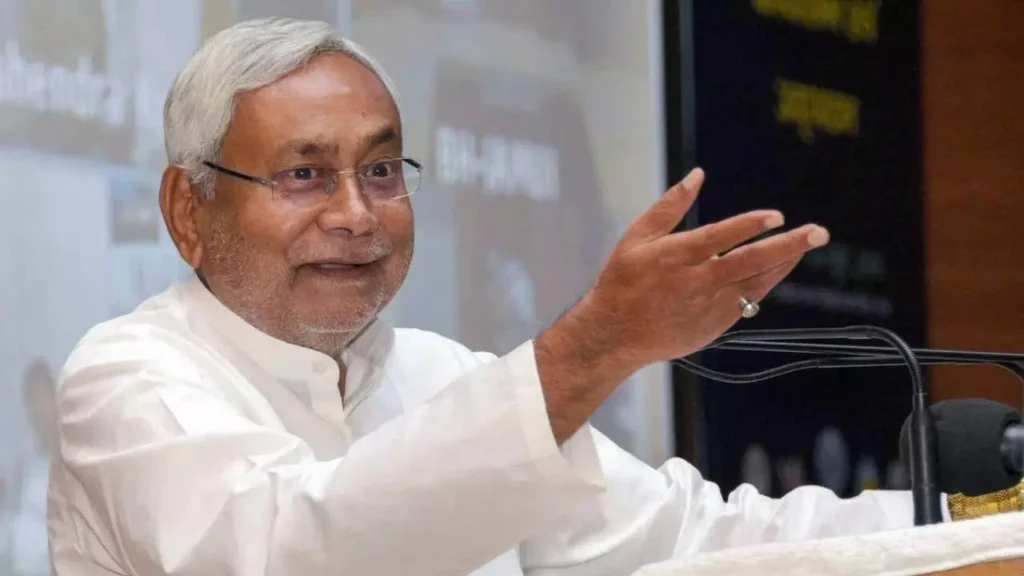
Despite his achievements, Nitish Kumar controversies are well-documented, involving charges of political opportunism. Known colloquially as Nitish Kumar Paltu Ram – a Hindi term meaning someone who frequently changes sides – he has faced sustained criticism about loyalty and consistency in alliance politics. The nickname “Paltu Ram” has stuck because of his multiple alliance switches between NDA and opposition coalitions.
Nitish Kumar criticism extends beyond alliance politics to governance questions, with opponents pointing to incomplete development promises and bureaucratic inefficiencies. During the election period, Nitish Kumar health concerns were raised by opposition parties, though these claims were largely dismissed as political tactics.
Governance and Development Policies
Social Reform Initiatives
Nitish Kumar governance has been defined by several landmark social reform initiatives. The most controversial yet significant has been the Nitish Kumar prohibition policy implemented in 2016, which banned alcohol across Bihar. The Nitish Kumar prohibition policy success remains debated, with supporters highlighting reduced domestic violence and critics pointing to underground liquor trade and revenue losses.
His focus on Nitish Kumar women empowerment has been notable, with programs like JEEViKA (Bihar Rural Livelihoods Project) empowering lakhs of rural women through self-help groups and financial inclusion. The bicycle distribution scheme for girl students became a symbol of his administration’s commitment to girls’ education.
Infrastructure and Development
Nitish Kumar development projects have transformed Bihar’s infrastructure landscape. From road connectivity to rural electrification, his tenure saw substantial investments in basic infrastructure. The broader Nitish Kumar Bihar development agenda included improving healthcare facilities, upgrading schools, and enhancing rural connectivity.
Nitish Kumar law and order reforms became a cornerstone of his governance, particularly during his early terms when Bihar suffered from poor security. The establishment of the Nitish Kumar Special Auxiliary Police force helped improve ground-level policing, though challenges remain.
Education Revolution
Perhaps his most impactful initiative was in education. The Nitish Kumar school teacher appointments program addressed Bihar’s massive teacher shortage. Specifically, Nitish Kumar 100000 teachers Bihar recruitment drive between 2006-2016 filled over 100,000 vacant teaching positions across government schools, dramatically improving teacher-student ratios.
Environmental and Rights Initiatives
His administration also implemented the Nitish Kumar Forest Rights Act, recognizing forest dwellers’ rights and promoting environmental conservation. These initiatives, though less publicized, showed his government’s attention to diverse policy areas.
Anti-Corruption Measures
Nitish Kumar anti corruption measures included stricter monitoring of government schemes, digital governance initiatives, and attempts to reduce bureaucratic red tape. While corruption remains a challenge, his administration made efforts to improve transparency in public service delivery.
Frequently Asked Questions (FAQ)
Q1: Who is Nitish Kumar?
Who is Nitish Kumar? Nitish Kumar is the current and longest-serving Chief Minister of Bihar, having held the office nine times since 2000. He is a prominent Indian politician known for his development focus, social welfare programs, and pragmatic alliance politics.
Q2: What is Nitish Kumar’s political career history?
Nitish Kumar political career began with the JP Movement during the 1970s. He co-founded Samata Party, which later merged into JD(U). He served as Union Railway Minister (2001-2004) and has been Bihar CM nine times. His career is characterized by multiple alliances, development initiatives, and sustained electoral relevance in Bihar politics.
Q3: What are Nitish Kumar’s major development policies?
His key policies include the Nitish Kumar prohibition policy, comprehensive Nitish Kumar women empowerment programs, significant Nitish Kumar law and order reforms, massive Nitish Kumar school teacher appointments (over 100,000 teachers), infrastructure development under Nitish Kumar development projects, and various Nitish Kumar Bihar development initiatives covering health, education, and rural connectivity.
Q4: Why is Nitish Kumar called Paltu Ram?
The Nitish Kumar Paltu Ram nickname references his frequent changes in political alliances to stay in power. “Paltu Ram” in Hindi refers to someone who flips sides frequently. His Nitish Kumar alliance changes have included multiple switches between NDA and opposition coalitions, earning him this controversial moniker from critics.
Q5: How many terms has Nitish Kumar served as Chief Minister?
How many times Nitish Kumar was CM? He is serving his ninth term as Bihar Chief Minister as of 2025, making him the state’s longest-serving chief minister. The Nitish Kumar nine terms record spans from 2000 to the present, with brief interruptions.
Q6: What was Nitish Kumar’s contribution as Railway Minister?
As Nitish Kumar minister in the railway portfolio, he introduced the innovative Nitish Kumar Tatkal scheme railways, which revolutionized train ticket booking in India. However, he also took moral responsibility for the Nitish Kumar Gaisal train disaster and resigned, demonstrating accountability.
Q7: What is Nitish Kumar’s relationship with BJP and NDA?
Nitish Kumar BJP relations have been complex and evolving. The Nitish Kumar BJP split 2022 saw him leaving NDA, but he rejoined the Nitish Kumar NDA alliance in January 2024, showcasing his pragmatic approach to coalition politics.
Q8: What happened with Nitish Kumar and Mahagathbandhan?
Why Nitish Kumar left Mahagathbandhan relates to governance concerns and ideological differences. After forming the Nitish Kumar Mahagathbandhan with RJD and Congress, he exited in 2017, rejoined in 2022, and left again, reflecting Bihar’s volatile coalition politics.
Q9: What are Nitish Kumar’s achievements in education?
His landmark achievement was the Nitish Kumar 100000 teachers Bihar recruitment drive, addressing the state’s teacher shortage. These Nitish Kumar school teacher appointments significantly improved educational infrastructure across government schools in Bihar.
Q10: What is Nitish Kumar’s current age?
Nitish Kumar age 2025 is 74 years old, having been born on Nitish Kumar birth date, March 1, 1951.
